Türkçe
 Deutsch


Astigmatism intraocular lenses are specially designed lenses used during cataract surgery to correct corneal astigmatism. Placed to align with the steepest axis of the cornea, these lenses enhance visual quality by balancing astigmatic refractive errors.
However, the effectiveness of these lenses depends on factors such as proper alignment and rotational stability. Most lenses minimize astigmatism by remaining within a five-degree rotation limit after surgery.
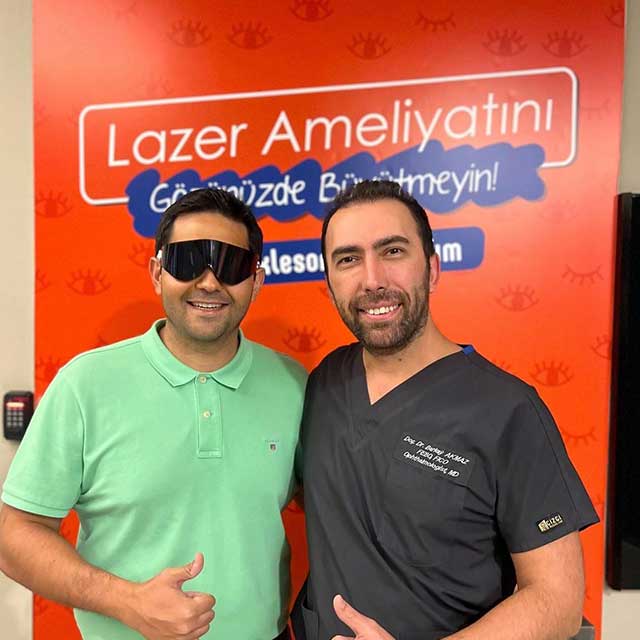
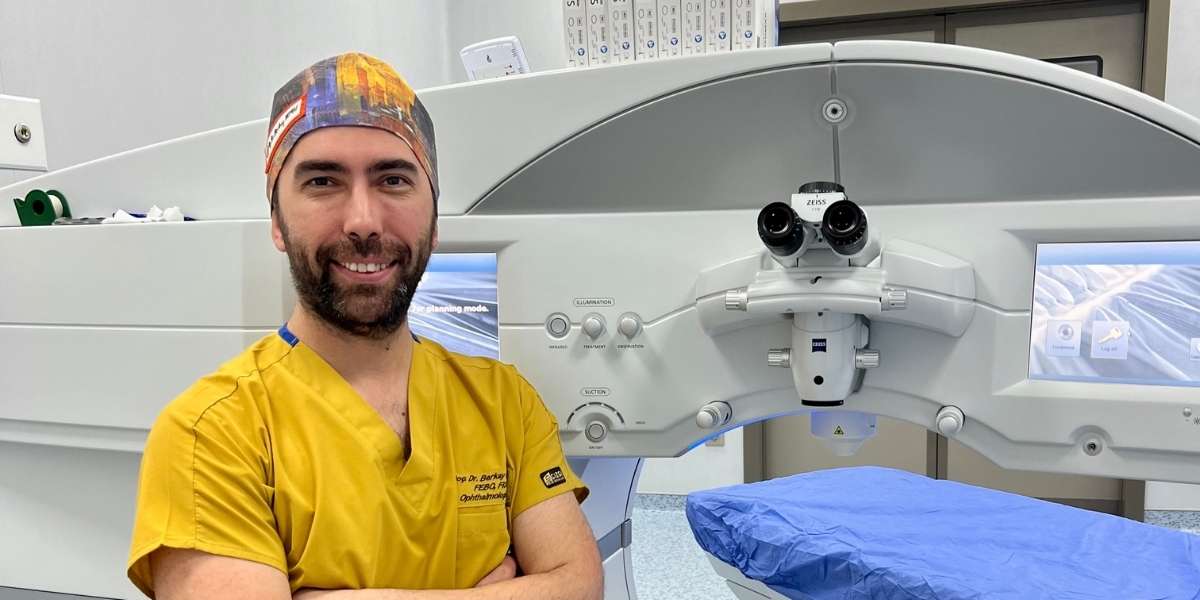
Turkey is one of the best country for Toric Intraocular Lenses for Astigmatism at a afforable price. If you are looking for a place for Toric Intraocular Lenses for Astigmatism abroad with best clinics and doctors, you are definitly on the right spot. Check Dr. Berkay Akmaz's Toric Intraocular Lenses for Astigmatism prices, reviews and packages.
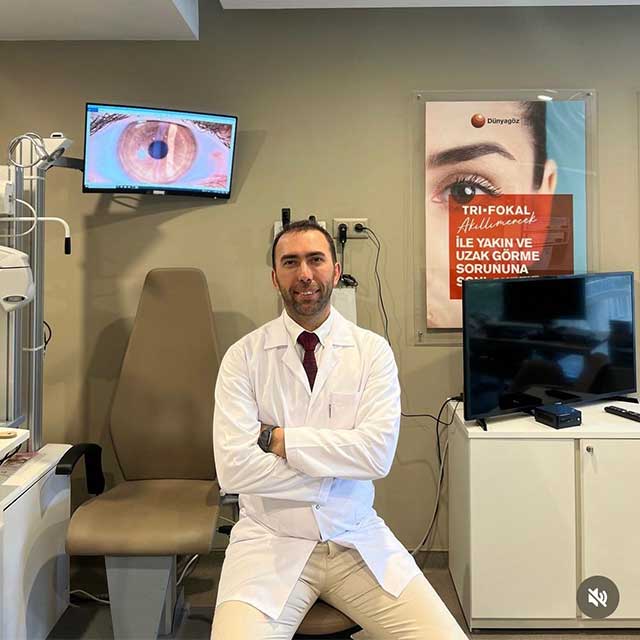
Ophthalmology Specialist – Assoc. Prof. Dr. Berkay Akmaz was born in İzmir in 1985. Due to his father's profession, he spent his primary school years in different cities. He began his education at Gülhane Military Medical Academy in 2003 and graduated with the title of Medical Doctor from Ege University Faculty of Medicine in 2010. In 2010, Assoc. Prof. Dr. Berkay Akmaz ranked 25th in the Medical Specialization Exam (TUS) in Turkey and started his specialization in the Department of Ophthalmology and Surgery at Dr. Lütfi Kırdar Kartal Education and Research Hospital. He completed his specialization training in 2014.






| Definition | Intraocular lenses specifically designed to correct astigmatism; especially preferred for patients with astigmatism following cataract surgery. |
| Applications | Patients requiring intraocular lens implantation after cataract surgery who have astigmatism. |
| Mechanism of Action | Thanks to the special design on the lens, it directs light to a single focal point in the eye, contributing to the correction of astigmatism. |
| Lens Types | 1. Single-Focus (Monofocal) Toric Lenses 2. Multifocal Toric Lenses |
| Advantages | 1. Provides the ability to correct astigmatism 2. Can reduce the need for glasses after cataract surgery 3. Offers the potential for clearer vision |
| Disadvantages | 1. High cost (may not be covered by insurance) 2. If improperly positioned, astigmatism may not be corrected or blurred vision may occur |
| Surgery Process | Performed under local anesthesia; after cataract removal, a toric lens for astigmatism is implanted into the eye. The procedure typically takes 15-30 minutes. |
| Recovery Process | A few weeks are expected for the eye to heal post-surgery; during this period, the use of eye drops is recommended, and certain activities should be avoided. |
| Side Effects | Mild pain, redness, light sensitivity, blurred vision; rarely infection and serious vision problems. |
| Alternatives | 1. Use of glasses or contact lenses 2. Laser treatments (LASEK, LASIK) 3. Standard intraocular lens implants |
| Eligibility Criteria | Preferred for patients with moderate to advanced astigmatism, who have cataracts, and are unsuitable for laser astigmatism correction procedures. |
| Care and Follow-Up | Regular doctor check-ups post-surgery are recommended; use of eye drops and adherence to hygiene rules are important. |
What Are Astigmatism Intraocular Lenses?
Astigmatism intraocular lenses are specifically designed to correct astigmatism during cataract surgery or refractive lens exchange. These lenses provide patients with clearer vision by compensating for irregular curvature in the cornea. Toric lenses, developed toward the end of the 20th century, were introduced with FDA approvals in the 2000s.
By correcting astigmatism, these lenses reduce the need for patients to use glasses. Proper alignment of toric lenses is a significant factor determining their effectiveness, and thanks to rotational stability, the lenses function efficiently for a long time.
What Are the Types of Astigmatic (Toric) Intraocular Lenses?
Astigmatic (toric) intraocular lenses are specially designed lenses used in cataract or refractive surgery to correct astigmatism. Unlike standard lenses, they have different refractive powers across different meridians. Depending on their purpose and optical design, various types of toric lenses are available. The main types include:
- Monofocal Toric Lenses: Correct only distance vision while providing clear far vision in patients with astigmatism.
- Multifocal Toric Lenses: Provide both near and distance vision while simultaneously correcting astigmatism.
- Trifocal Toric Lenses: Advanced lenses that offer clear vision at far, intermediate, and near distances while correcting astigmatism.
- EDOF Toric Lenses (Extended Depth of Focus): Provide a wider range of clarity with smoother visual transitions; effective in astigmatism correction.
- Foldable Toric Lenses: Can be implanted through a small incision; suitable for minimally invasive surgery.
- Customized Toric Lenses: Specially produced based on the anatomical measurements of the eye, offering high precision and personalized compatibility.
How Do Astigmatism Intraocular Lenses Work?
Toric intraocular lenses are specially designed to correct corneal astigmatism. These lenses aim to eliminate the asymmetrical refractive errors caused by astigmatism by aligning with the steepest meridian of the eye. Unlike traditional intraocular lenses, toric IOLs have different refractive powers in each meridian. This effectively neutralizes vision problems caused by astigmatism and enhances visual clarity.
For toric lenses to work effectively, detailed preoperative measurements must be taken. An ophthalmologist determines the degree of astigmatism in the patient’s cornea and calculates the correct lens power. Additionally, the axis direction where the lens will be placed is determined. During surgery, the lens is carefully positioned according to the patient’s astigmatic axis, and the rotation angle is adjusted.
Toric intraocular lenses have special markings to help surgeons ensure proper alignment. These markings assist in keeping the lens in the correct position within the eye and support optimal visual outcomes. In this procedure, which requires precise alignment, even a few degrees of lens rotation can prevent sufficient correction of astigmatism.
When Are Astigmatism Intraocular Lenses Used?
Astigmatism intraocular lenses (IOLs) are lenses preferred in certain situations to correct corneal astigmatism. They are recommended for patients who have undergone cataract surgery and do not wish to use glasses or contact lenses, aiming to improve visual outcomes. Toric IOLs are particularly effective in patients with regular astigmatism of at least 0.75 diopters (D). However, they provide more benefit for individuals with corneal astigmatism between 1.0 D and 3.0 D.
These lenses are ideal for people aiming for improvements in visual acuity and less need for corrective lenses. Additionally, they are suitable for patients with stable and symmetrical corneal astigmatism. Indications for these lenses include:
- Patients with regular astigmatism
- Individuals with astigmatism between 1.0 D and 3.0 D
- Patients who wish to reduce dependence on glasses after surgery
On the other hand, situations with irregular astigmatism or requiring special lens modifications are not suitable for toric IOLs. In corneal pathologies like keratoconus, toric IOLs can be beneficial if there is a regular component in the central cornea.
Especially for patients with a history of astigmatism correction like LASIK, toric IOLs are recommended for optimal visual outcomes. In such cases, if other interventions do not provide sufficient correction, toric IOLs effectively correct the remaining astigmatism. Surgeons determine the patient’s suitability through detailed preoperative evaluation. Thus, optimal alignment and stability of toric IOLs are ensured, achieving successful results.
Who Is Not Suitable for Astigmatism Intraocular Lenses?
The use of toric intraocular lenses is not suitable for everyone with astigmatism. These lenses may not provide the expected visual improvement in patients with certain eye disorders. Toric IOLs are contraindicated in the following situations:
- Irregular astigmatism: Patients with causes of irregular astigmatism such as advanced keratoconus, corneal scars, or previous corneal surgeries may not benefit from toric IOLs. These lenses are designed to correct regular astigmatism. Using toric IOLs in the presence of irregular astigmatism can worsen visual outcomes.
- Ocular surface disease: Dry eye syndrome or other ocular surface diseases can affect accurate preoperative measurements and postoperative results. These conditions can disrupt the corneal surface and stability, making the precise measurements required for lens alignment more difficult.
- Significant corneal ectasia: Toric IOLs are generally not suitable for patients with corneal ectatic disorders such as severe keratoconus or pellucid marginal degeneration. Such conditions may reduce the long-term effectiveness of the lens due to corneal irregularity and progressive changes.
- Unstable refractive errors: Fluctuating astigmatism or changes in corneal topography seen in those who have recently undergone refractive surgery pose risks for toric IOLs. In such patients, the risk of postoperative misalignment is high, which may require reoperation.
- Large capsular bags: If the capsular bag is larger than 25 mm, the risk of toric IOL rotation is higher. This can make optimal lens alignment difficult, negatively affecting visual outcomes.
- Severe posterior segment pathologies: Diseases such as advanced diabetic retinopathy, macular degeneration, or retinal detachment can limit the benefits provided by toric IOLs. Desired visual improvement may not be achieved in patients with underlying retinal issues.
- Unrealistic expectations: Patients with unrealistic expectations about the results of toric IOLs may not be satisfied with postoperative outcomes. Such patients may require fine-tuning or additional interventions.
How Are Astigmatism Intraocular Lenses Applied?
The application of astigmatism intraocular lenses involves several carefully planned steps, from patient preparation to postoperative care. The process begins with patient evaluation and preparation. Patient preparation starts with a comprehensive eye examination. At this stage, advanced measurement methods like keratometry, corneal topography, and biometry are used to determine the patient’s degree of astigmatism. Patients are informed about the surgical process and expectations. Those with a healthy ocular surface are considered suitable candidates for this procedure. However, individuals with corneal irregularities or abnormalities usually avoid this procedure.
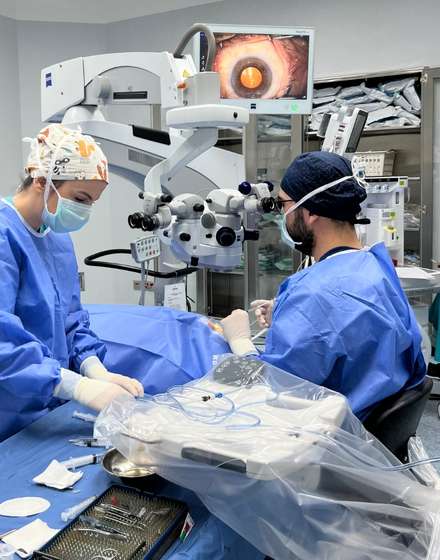
In the surgical phase, the natural lens is removed using the phacoemulsification method, and a toric intraocular lens is placed. The surgeon takes care to align the toric lens in harmony with the steepest meridian of the cornea. Proper alignment is crucial in correcting astigmatism. Intraoperative digital marking systems are used to ensure precision. Since misalignment of the lens can negatively affect visual outcomes, the surgeon places and positions the IOL in the most optimal location.
After surgery, patients are given antibiotic drops like moxifloxacin to prevent infection and corticosteroid drops like prednisolone to control inflammation. These medications are applied intensively on the first day and gradually reduced in the following days. Regular follow-ups are conducted to ensure the stability of the toric lens. Various checks are performed 24 hours after surgery, then one week, one month, and three months later.
What Are the Side Effects of Astigmatism Intraocular Lenses?
While toric intraocular lenses provide astigmatism correction, they can also lead to some side effects and complications. These side effects may be experienced by patients to varying degrees and usually tend to decrease over time. Common side effects include:
- Blurred Vision: Blurred vision may occur as the eye adapts to the area where the toric lens is placed, and this is generally a temporary condition.
- Glare and Halos: Glare or halos around lights may be noticeable, especially at night. These visual disturbances may decrease over time but can persist longer in some patients.
In some cases, patients may also experience dry eyes. This dryness typically results from drops used during surgery or the position of the lens. Recommendations for treatment include:
- Lubricating Eye Drops: Patients may be advised to use over-the-counter or prescription lubricating eye drops to alleviate dryness in the eyes.
Rotation or displacement of toric lenses is another complication encountered. This situation can reduce the degree of astigmatism correction and may require additional procedures.
- Alignment Issues: Astigmatism may recur due to lens rotation, necessitating additional corrective procedures or a second surgery.
Though rare, risks of infection and inflammation are present. The use of antibiotics is recommended to reduce these risks arising from lens placement. An increase in intraocular pressure may be observed in patients during the postoperative period. If untreated, this condition has the potential to damage the optic nerve.
How Successful Are Astigmatism Intraocular Lenses?

The success rates of toric intraocular lenses (IOLs) in correcting astigmatism are quite high, and many studies offer effective visual results. In the postoperative period, a large portion of patients achieve uncorrected distance visual acuity. Specifically, approximately 92-98% of patients who underwent toric IOL implantation reach a visual level of 20/40 or better, allowing them to perform daily activities comfortably. This represents a significant improvement over non-toric lenses for patients with astigmatism.
The success of toric IOLs depends on proper alignment and placement during surgery. Accurate alignment is crucial since these lenses need to be precisely positioned on the astigmatic axis. Additionally, the rotational stability of toric lenses is one of the factors directly affecting postoperative performance. Most modern toric lenses remain stable within ±5 degrees of the axis in which they are placed. According to research, after three years post-surgery, 92.3% of lenses remain within this range and show minimal rotation in subsequent follow-ups.
The long-term results of toric lenses are also quite positive in terms of refractive accuracy and visual clarity. A significant portion of patients operated on with these lenses achieve correction of the target astigmatism value within a range of ±0.5 to 1.0 diopters.
How to Prepare for Astigmatism Intraocular Lenses?
When correcting astigmatism with toric intraocular lenses, a comprehensive evaluation of the patient must be conducted first. Corneal topography is an important step in this process, helping to determine the axis and regularity of astigmatism. In cases of regular astigmatism, toric lenses can provide an effective solution because proper alignment with the correct axis can be achieved. Additionally, keratometry measurements should be taken to determine the curvature of the cornea. These measurements are performed manually or automatically and are vital for accurate lens calculations. Therefore, inconsistencies between measurements require more detailed examination.
Moreover, biometry is another fundamental step used to measure the axial length necessary for IOL calculation. Non-contact biometry methods are often preferred as they offer more precision in measurements. This biometric data is used to determine the appropriate lens power and alignment using toric lens calculators like Acrysof®. Various online calculators are available to calculate toric lens power and axis in practice. Surgeons may use keratometry data from multiple sources to achieve more accurate results.
When planning lens placement, surgeons ideally need to make incisions along the steep axis of astigmatism. This contributes to achieving the desired visual outcome by reducing induced astigmatism. In cases of mild astigmatism, the incision alone may suffice; however, situations requiring higher correction generally necessitate the use of toric lenses.
How Should Postoperative Care Be After Astigmatism Intraocular Lenses?
Postoperative care plays a critical role in supporting the success of toric intraocular lens (IOL) treatment. Initially, it is important for patients to attend a series of follow-up appointments after surgery. These checks are typically conducted the day after surgery, one week later, and six weeks afterward. During this period, surgeons check whether the toric IOL is properly aligned and make minor adjustments if necessary. Evaluations like visual acuity tests, slit-lamp examinations, and intraocular pressure measurements are routinely performed. This way, potential complications are detected early, and preventive measures can be taken.
Postoperative astigmatism may persist in patients, especially if the IOL is not correctly aligned. In this case, surgeons consider the option of rotating the lens back to its original axis. The first few weeks, when the lens is still mobile before capsular fibrosis develops, are seen as the most suitable time for this correction. Additionally, additional interventions like laser vision correction may come into play when long-term astigmatism is experienced. This procedure allows the correction of minor refractive errors without the need for eye surgery.
Monitoring potential complications is necessary to maintain the lasting effects of the treatment. Side effects such as glare, halos, or IOL rotation may occur. Surgeons advise patients to avoid strenuous physical activities, especially during the initial healing process. In case of sudden vision changes or discomfort, it is important to consult an eye specialist promptly.
Long-term follow-up aims to detect and resolve possible vision problems. In some cases, after examinations conducted using methods like refraction tests or optical biometry, the use of glasses or contact lenses may be recommended. Additionally, regular follow-up plans should be made against minor changes that may occur in the eye.
How Does Resistance Develop Against Astigmatism Intraocular Lenses?
Resistance to astigmatism intraocular lenses arises from the interaction of various factors. Firstly, postoperative rotational misalignment of the lens is a significant issue. This is because the lens remaining on the correct axis is critical for the effective correction of astigmatism. Even small degrees of lens rotation after surgery can reduce corrective power. Additionally, patient eye movements and pressures applied to the eye after surgery can cause misalignment.
Furthermore, changes in astigmatic power caused by incisions made during surgery contribute to the development of resistance. The size, location, and direction of the incisions can affect the curvature of the cornea, reducing the corrective power of the lens. For example, incisions made in the temporal region create less astigmatic change, while incisions made on the steep axis can increase existing astigmatism. Surgeons should carefully plan the location and size of incisions to minimize these effects.
Additionally, residual astigmatism in the cornea plays an important role in the formation of resistance. Despite the correction by toric lenses, astigmatism may persist in some patients due to inadequate preoperative measurements or failure to account for posterior corneal curvature. Posterior corneal curvature may have a different amount of astigmatism than the anterior cornea, which can affect lens selection. Therefore, a detailed corneal analysis before surgery is necessary.
Moreover, surgical technique and intraoperative stability are among the factors determining the effectiveness of the lens. The methods used for proper lens positioning directly affect the efficacy of the lens. For example, appropriate use of viscoelastic substances and careful removal from behind the lens prevent slippage. Additionally, using advanced technologies can ensure the lens remains on the correct axis.
Latest Posts

Dermatochalasis (Eyelid Sagging)
Anasayfa » Eyelid » Dermatochalasis (Eyelid Sagging)Dermatochalasis (eyelid sagging) is a condition caused by excess [...]
Read MoreMar

Congenital Cataract
Anasayfa » Cataract » Congenital CataractCongenital cataract is an eye disease that occurs when the [...]
Read MoreMar

Causes of Blurred Vision in One Eye
Anasayfa » Eye Health » Causes of Blurred Vision in One EyeThe causes of blurred [...]
Read MoreDec

Comments from Patients with Pseudotumor Cerebri
Anasayfa » Uncategorized » Comments from Patients with Pseudotumor CerebriComments from patients with pseudotumor cerebri [...]
Read MoreDec

Reviews of People Who Have Undergone Corneal Surgery
Anasayfa » Eye Health » Reviews of People Who Have Undergone Corneal SurgeryReviews from people [...]
Read MoreDec

Keratoconus Patient Reviews
Anasayfa » Eye Health » Keratoconus Patient ReviewsKeratoconus patient reviews provide important insights into the [...]
Read MoreDec

How Long Does Cataract Surgery Take?
Anasayfa » Cataract » How Long Does Cataract Surgery Take?The answer to the question of [...]
Read MoreDec

How Do Under-Eye Dark Circles Go Away?
Anasayfa » Uncategorized » How Do Under-Eye Dark Circles Go Away?The question of how under-eye [...]
Read MoreDec
Gallery