Türkçe
 Deutsch

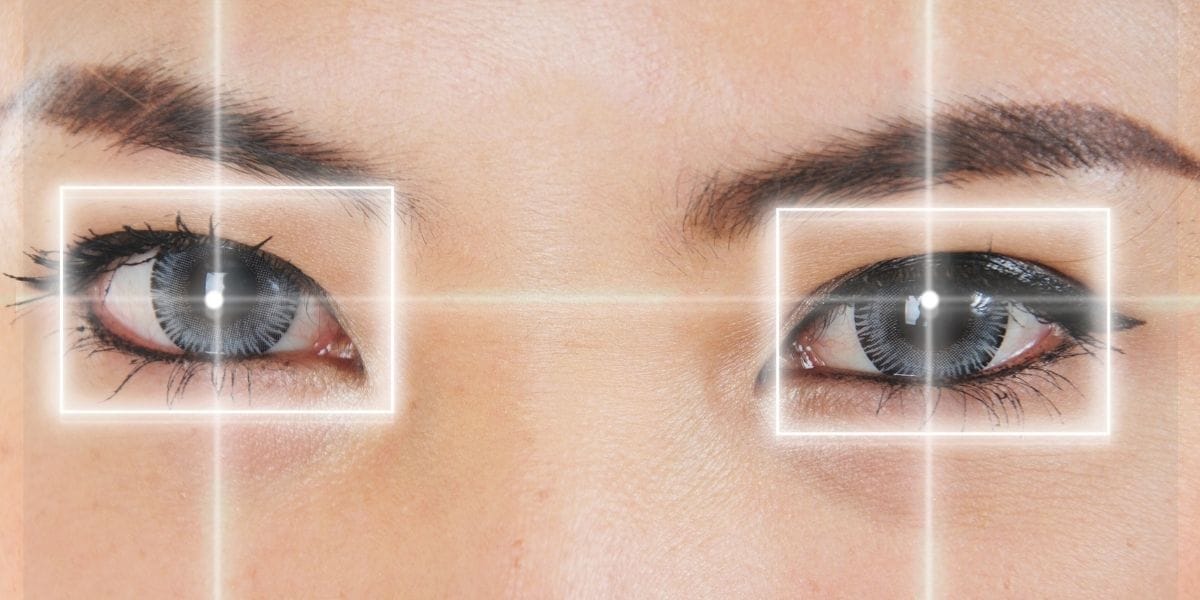
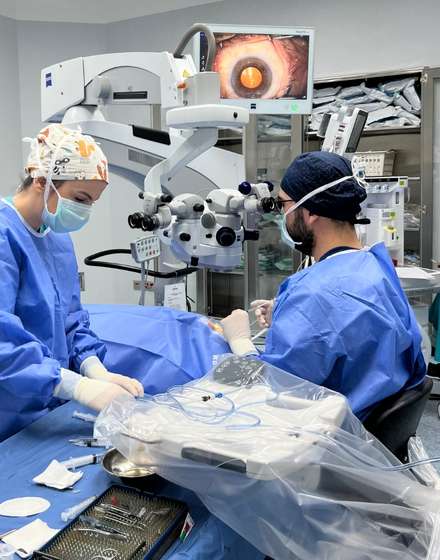
Photorefractive keratectomy (PRK) is a type of surgery that uses an excimer laser to correct refractive errors in the eye. It is particularly effective in treating myopia, hyperopia, and astigmatism by reshaping the cornea. However, the most notable feature of PRK is that it does not require a corneal flap, making it a suitable option for patients with thin corneas.
In the first stage, the corneal epithelium is removed, and the stroma is reshaped with a laser. As a result, the regeneration of the epithelium takes approximately 3 to 5 days. Temporary pain, blurred vision, and visual fluctuations may occur, but long-term results are generally stable.
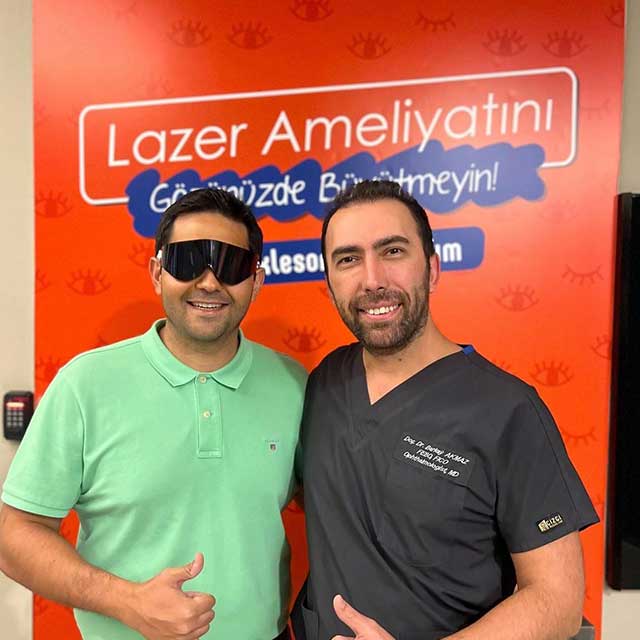
Turkey is one of the best country for PRK Laser at a afforable price. If you are looking for a place for PRK Laser abroad with best clinics and doctors, you are definitly on the right spot. Check Dr. Berkay Akmaz's PRK Laser prices, reviews and packages.
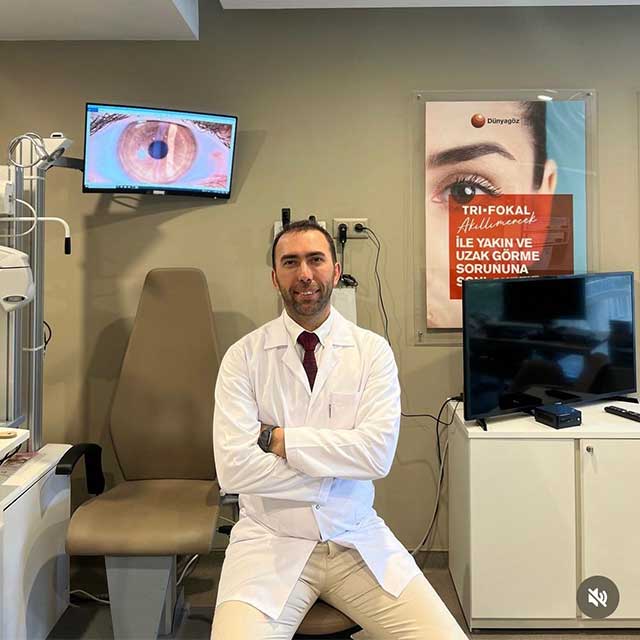
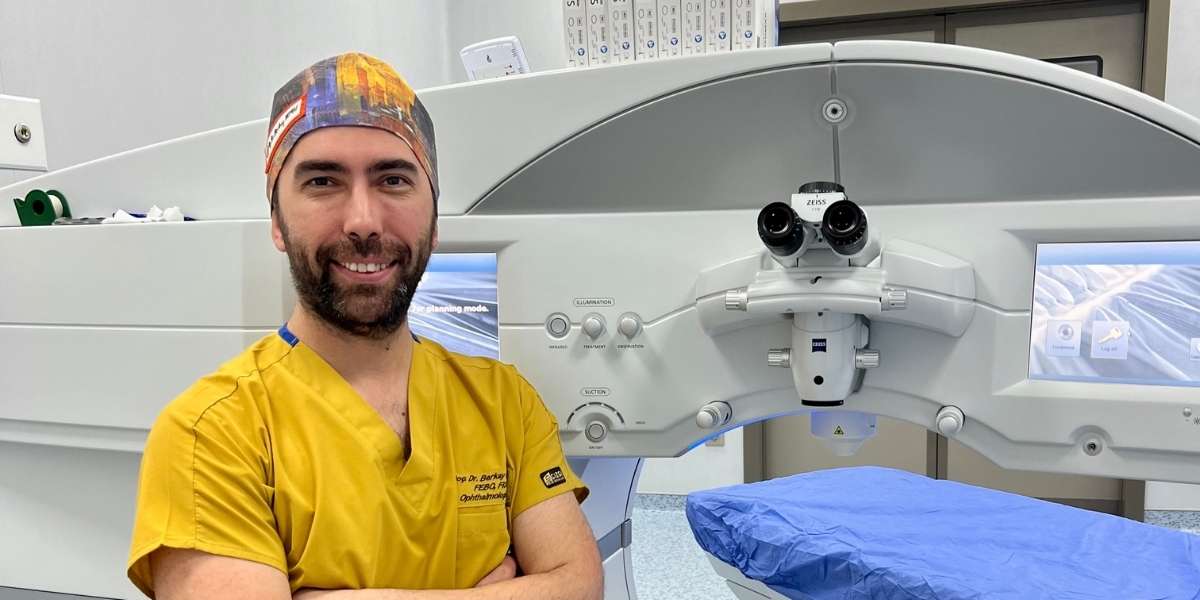
Ophthalmology Specialist – Assoc. Prof. Dr. Berkay Akmaz was born in İzmir in 1985. Due to his father's profession, he spent his primary school years in different cities. He began his education at Gülhane Military Medical Academy in 2003 and graduated with the title of Medical Doctor from Ege University Faculty of Medicine in 2010. In 2010, Assoc. Prof. Dr. Berkay Akmaz ranked 25th in the Medical Specialization Exam (TUS) in Turkey and started his specialization in the Department of Ophthalmology and Surgery at Dr. Lütfi Kırdar Kartal Education and Research Hospital. He completed his specialization training in 2014.






| Definition | PRK is a laser treatment applied to correct refractive errors such as myopia, hyperopia, and astigmatism by reshaping the cornea’s surface with an excimer laser. |
| Applications | Myopia, hyperopia, and astigmatism treatment; especially preferred for patients with insufficient corneal thickness for LASIK. |
| Mechanism of Action | The epithelial layer on the corneal surface is completely removed, and the underlying corneal tissue is reshaped with an excimer laser. This corrects the eye’s refractive error and clarifies vision. |
| Advantages | 1. Provides permanent vision correction 2. Suitable for patients with thin corneas 3. Less invasive than LASIK and does not require flap creation |
| Disadvantages | 1. More discomfort in the initial days and longer healing time 2. Temporary blurred vision and light sensitivity may occur 3. Requires attention during the healing process |
| Treatment Process | PRK is a procedure performed under local anesthesia with eye drops and takes approximately 10-15 minutes. After the epithelial layer is removed, the cornea is reshaped with an excimer laser. |
| Recovery Process | Initial discomfort in the eyes may last a few days; vision clarity may take 1-2 weeks to improve, with complete healing achieved within 3-6 months. Use of eye drops and protection from sunlight are important. |
| Side Effects | Dry eyes, light sensitivity, blurred vision; rarely corneal haze and infection. |
| Alternatives | 1. LASIK (Laser-Assisted In Situ Keratomileusis) 2. LASEK (Laser Epithelial Keratomileusis) 3. Excimer laser |
| Eligibility Criteria | 18 years and older, with stable eye prescriptions, thin corneas, or unsuitable for LASIK. |
| Care and Follow-Up | Regular doctor check-ups post-surgery, use of prescribed eye drops during the healing process, and maintaining eye hygiene are important. |
What is PRK Laser?
PRK laser surgery offers a suitable option especially for individuals with thin corneas. Since this method does not require creating a corneal flap as in LASIK, it eliminates the risk of flap-related complications. PRK corrects visual defects by reshaping the surface of the cornea and removes the epithelium, which is the outermost layer of the cornea.
Although the healing time of PRK is longer compared to LASIK, the visual outcomes are at a similar level. During healing, the epithelium is expected to regenerate, so the patient may experience temporary pain and symptoms like blurriness. PRK is known for providing permanent and reliable visual results in the long term.
What Are the Types of PRK Laser Surgery?
PRK (Photorefractive Keratectomy) is a surface-based laser treatment designed to reduce dependence on glasses or contact lenses by reshaping the cornea. The technique varies depending on how the epithelial layer is removed and the laser protocol used. The main types of PRK laser surgery include:
- Standard PRK: The epithelium is manually scraped off, followed by excimer laser reshaping of the cornea.
- TransPRK (No-Touch PRK): The epithelium and cornea are ablated with a laser without any physical contact; the most modern and comfortable PRK method.
- LASEK (Laser Epithelial Keratomileusis): The epithelium is loosened with alcohol, lifted, and repositioned after laser treatment.
- Epi-LASIK: The epithelium is separated using a mechanical microkeratome and repositioned after laser application; healing may be faster.
- Topography-Guided PRK: A customized laser treatment based on the corneal surface map; preferred for irregular corneas.
How Does PRK Laser Work?
In PRK laser surgery, an excimer laser is used to remove tissues from the corneal surface. First, the corneal epithelial layer is removed using techniques such as mechanical debridement, alcohol-assisted method, or transPRK. When the epithelium is removed, the stromal layer is exposed for laser application, and during this process, the structural integrity of the cornea is preserved. The excimer laser emits ultraviolet light at a wavelength of 193 nm and performs precise ablation of the stromal tissue in layers.
This process is called photoablation because it vaporizes tissue by breaking the bonds between tissue molecules. The energy density of the laser is localized to prevent thermal damage to surrounding tissues. With this method, the shape of the cornea is altered to adjust its refractive power, allowing light to focus more accurately on the retina.
After the procedure, the epithelial layer reforms within a few days. During the healing process, a bandage contact lens is applied to the patient to protect the stroma. In the first days, patients may feel temporary discomfort, blurred vision, and sensitivity to light. As the corneal surface smooths out, visual quality also improves, and this process may take several weeks.
When is PRK Laser Used?
PRK laser surgery is a suitable option for various eye refractive errors and patient profiles. It is particularly preferred when corneal thickness is insufficient or when LASIK, which requires a corneal flap, cannot be performed. It is also recommended for those where preservation of corneal structure is important or who have previously undergone eye surgery.
PRK is indicated for the following conditions:
- Myopia: Suitable for patients with low to moderate myopia (up to -8.0 diopters).
- Hyperopia: Effective in patients with low-degree hyperopia.
- Astigmatism: Preferred in astigmatism cases up to 3.0 diopters.
When the integrity of the corneal structure needs to be preserved, PRK stands out as a safer option. It is preferred instead of LASIK especially in patients with thin corneas or those who have previously experienced corneal trauma. PRK is also recommended in professions with a high risk of trauma, such as athletes or soldiers, because there is no corneal flap, reducing the risk of flap complications.
Additionally, patients with dry eye syndrome or ocular surface diseases can also benefit from PRK. Since PRK reduces postoperative dry eye complications, it carries less risk compared to LASIK. Furthermore, PRK is a recommended option in conditions where corneal structure is important, such as mild keratoconus. PRK has the potential to provide better visual quality in patients with mild high-degree aberrations not corrected with glasses or lenses.
Who is Not Suitable for PRK Laser?
Certain conditions affecting the cornea and general health issues determine candidates who are not suitable for PRK. These conditions should be considered to ensure the patient’s eye health and postoperative healing process. Firstly, diseases associated with corneal thinning, such as keratoconus, pose a risk for PRK. These diseases can cause progressive weakening of the cornea and increase the risk of postoperative corneal ectasia.
Also, individuals with severe dry eye symptoms are not ideal candidates for PRK. This condition can make corneal healing difficult and cause discomfort. Some autoimmune diseases can also affect the healing process and increase the risk of complications after PRK. For example, conditions like rheumatoid arthritis or lupus disrupt the body’s natural healing processes and can affect the long-term results of PRK.
Other conditions that contraindicate PRK include:
- Uncontrolled Diabetes: Blood sugar levels can slow down the healing process after PRK and increase the risk of infection.
- Pregnancy and Breastfeeding: Hormonal changes during these periods can affect corneal thickness and make it difficult to predict procedure outcomes.
- Active Eye Infections: Infections like conjunctivitis or inflammations like uveitis increase the risk of damage to the corneal surface.
- Abnormal Corneal Anatomy: High astigmatism or irregular corneal structure is incompatible with PRK and can lead to unexpected visual outcomes.
Finally, individuals with unrealistic expectations about the results of the surgery may not be suitable for PRK. Especially those not prepared for temporary visual changes after surgery may experience dissatisfaction.
How is PRK Laser Applied?
During PRK laser surgery, each step is carefully planned and executed. First, patients are prepared for surgery and receive all necessary instructions before the procedure. It is important for patients who wear contact lenses to avoid wearing lenses for a certain period before surgery, depending on the type of lenses. Additionally, on the day of the procedure, patients should not use products that may leave residue around the eyes, such as makeup, perfume, or face cream.
After the preparation phase, the eye is numbed. For this purpose, anesthetic drops are instilled into the eye, minimizing discomfort during the procedure. A special eyelid holder is placed to prevent blinking.
In the PRK procedure, the first step is the removal of the corneal epithelium. A diluted alcohol solution is applied to soften and loosen the epithelium. After the solution loosens the epithelium, the surgeon carefully removes the epithelium with a fine surgical instrument. Thus, the corneal surface is exposed and prepared for laser application.
When the corneal surface is open, the cornea is reshaped with an excimer laser. At this stage, the laser microscopically removes corneal layers according to the patient’s prescription. The laser emits cool ultraviolet light, allowing precise alteration of the cornea’s shape to correct the patient’s vision.
After the cornea is reshaped with the laser, a soft bandage contact lens is placed on the eye. This bandage lens acts as a protective layer, providing comfort during the healing process and preventing infection.
What are the Side Effects of PRK Laser?
The side effects of PRK laser surgery are generally classified as short-term, long-term, and rare complications. After this surgery, patients may encounter various temporary discomforts, but most of the time, these side effects are treatable. Below are detailed the side effects and complications caused by PRK surgery:
Short-Term Side Effects:
- Pain and Discomfort: Due to the regeneration process of the corneal epithelium after PRK, patients feel pain and discomfort lasting a few days. This condition can usually be alleviated with pain relievers and bandage contact lenses.
- Blurred Vision and Light Sensitivity: In the initial healing process, most patients experience blurred vision and increased sensitivity to light. These effects may last for a few days or weeks after surgery.
- Dry Eyes: PRK laser application can cause temporary damage to nerves, leading to dry eyes. These dryness symptoms usually last for weeks but may continue for months in some patients.
Long-Term Complications:
- Corneal Haze: Corneal haze may occur in patients who have had high myopic correction. This condition may peak in the first two months and resolve within a year, but in some patients, it may become permanent.
- Visual Distortions: Night vision problems can be observed in the form of halos, glare, and starbursts around lights. This condition is usually noticed in low light and can continue for several months.
- Undercorrection or Overcorrection: The precision of PRK surgery does not always yield the desired results. Some patients may encounter undercorrection or overcorrection, leading to the need for additional treatment.
Rare Complications:
- Corneal Ectasia: This rare complication can lead to significant visual impairments with thinning and bulging of the cornea. Although rarely seen in PRK, it can be a concern for high-risk patients.
- Infection and Inflammation: Although the rate of infection after PRK is low, if postoperative care is not done correctly, the risk of infection may increase.
- Irregular Astigmatism and Decentered Ablation: Sometimes, irregular astigmatism may develop due to incorrect positioning of the ablation, and this condition may become permanent.
How Successful is PRK Laser?
The success rates of PRK laser surgery are quite high, and its long-term effects have been found satisfactory. Generally, more than 95% of patients achieve visual acuity after surgery that allows them to continue their lives without using glasses or lenses. In particular, approximately 90% of individuals reach 20/20 vision level, gaining complete clarity.
In a 12-month review: 92.5% of patients with low and moderate myopia, and 79.3% of those with high myopia, reached 20/20 vision level.
Long-term follow-ups also show that PRK is a stable procedure. 20-year studies confirm that while minor regression may occur, most patients achieve clear vision without permanent complications. The safety index has been determined as 1.0, showing that PRK offers safe and long-term results.
How to Prepare for PRK Laser?
Preparing for PRK laser surgery is important to ensure a successful procedure and an effective healing process. First, it is necessary to remove contact lenses 24 hours before surgery because soft lenses can temporarily change the shape of the cornea. This step can affect the accuracy of the treatment.
Also, products such as makeup, lotion, or perfume should not be used around the eyes the day before surgery. These products can increase the risk of infection and disrupt the sterile environment.
Another important step is reviewing medications. The patient should inform the doctor of all medications and supplements being used. Some medications, especially blood thinners, may need to be discontinued before surgery.
Nutrition and hydration are also important for the day of surgery. A light breakfast can be consumed on the day of surgery, but caffeine should be avoided because caffeine can trigger dry eyes. Staying hydrated contributes to the healing process.
Preparing appropriately for the day of surgery starts with wearing comfortable clothing. Additionally, it should be considered that the eyes will be sensitive after the procedure, and transportation should be arranged for returning home because it will not be possible to drive immediately after surgery.
How Should Postoperative Care Be After PRK Laser?
Postoperative care after PRK laser surgery includes steps that need attention to achieve rapid healing and the best visual results. The first week is especially important because the risk of infection is high and sensitivity in the eyes continues. During this process, some medications, eye protectors, and avoiding certain activities may be necessary.
First Week After PRK:
- Eye Protection: Protective plastic eye shields should be used during sleep to prevent accidental rubbing of the eyes. During daytime, UV-protective sunglasses should be preferred.
- Medications: Prescribed antibiotic and anti-inflammatory eye drops should be used to prevent infection and reduce inflammation. Pain relievers can be taken when necessary. Additionally, preservative-free artificial tears should be frequently applied to prevent dry eyes.
- Activity Restrictions: Activities that can expose the eyes to water, dust, or smoke should be avoided. Especially environments with water contact like swimming and hot tubs should be avoided. Also, to prevent eye strain, screen time should be reduced, and tasks requiring intense focus should be avoided.
Throughout the first month, the eyes continue to adapt, and visual acuity stabilizes over time. There are some factors to consider during this period.
Weeks 1 to 4:
- Bandage Contact Lens: The bandage contact lens, usually removed after the first week, supports corneal healing.
- Medication Adjustments: Steroid eye drops should be used according to a specific plan to reduce corneal haze. The healing process is evaluated in follow-up appointments, and medications are rearranged if necessary.
- Avoiding Physical Strain: Heavy lifting and strenuous sports that can increase intraocular pressure should be limited for a while. Light activities can usually be done with doctor approval at the end of the month.
Months 2 to 6:
- Visual Improvement: Most patients observe improvement in visual clarity during this period. The healing process is evaluated with regular check-ups.
- Sun Protection: UV-protective sunglasses should continue to be worn in outdoor environments. Environments that can irritate the eyes should be avoided.
- Steroid Tapering: Steroid drops are gradually reduced depending on healing.
At the end of six months, visual stabilization is achieved, and possible problems can be detected in later periods with regular eye examinations.
How Does Resistance Develop Against PRK Laser?
Mechanisms developing resistance to PRK laser treatment involve various factors affecting the corneal healing process and final visual outcomes. First, the formation of corneal haze is the foremost among these resistance mechanisms. This condition is associated with excessive myofibroblast activity and abnormal extracellular matrix accumulation, potentially hindering clear vision. Haze formation develops as a response to disruption of the basement membrane and underlying stroma during the procedure.
Additionally, delayed epithelial regeneration is also a significant resistance factor. Since the PRK procedure removes the epithelial layer, the healing time may be prolonged. Decreased hemidesmosome connections between the epithelium and basement membrane can limit epithelial proliferation, delaying healing. Insufficient neurotrophic factors, such as a deficiency of nerve growth factor, can slow epithelial repair. These delays promote fibrosis due to continuous inflammatory cytokine release and extracellular matrix accumulation, increasing the likelihood of haze.
Moreover, inflammatory response and stromal remodeling processes play a critical role in resistance development. After PRK, keratocytes in the stroma become activated, transforming into myofibroblasts and contributing to scar tissue formation. This process increases if inflammation continues and leads to stromal opacity. Increased collagen cross-linking can lead to fibrotic tissue formation that affects visual clarity.
Factors contributing to resistance mechanisms include:
Factors increasing the risk of corneal haze:
- High degrees of myopia
- Deep ablation levels
- Exposure to UV-B light after the procedure
Factors affecting delayed epithelial healing:
- Reduced hemidesmosome connections
- Insufficient neurotrophic factors
- Continuous inflammatory cytokine release
Factors increasing the inflammatory response:
- Prolonged healing time
- Insufficient anti-inflammatory treatment
- Mechanical trauma and damage
Finally, mechanical factors and treatment techniques can also affect resistance development. For example, alcohol-assisted PRK methods may cause damaged epithelial cells to remain, negatively affecting the healing process. Mechanical debridement used in traditional PRK can lead to more trauma and increased risk of postoperative haze due to irregular stromal exposure.
Modern techniques and treatment approaches aim to minimize these resistance mechanisms. For instance, thermal tissue damage can be reduced by using high-frequency and low-energy lasers, thus accelerating the healing process. Additionally, the inflammatory response can be controlled by using medications such as mitomycin-C and topical corticosteroids. Using UV-blocking sunglasses can reduce exposure to UV rays after the procedure, lowering the risk of haze.
How much does PRK Laser cost in Turkey?
PRK Laser cost in Turkey is between €1,400 – €1,700.
Recent Posts

Dermatochalasis (Eyelid Sagging)
Anasayfa » Eyelid » Dermatochalasis (Eyelid Sagging)Dermatochalasis (eyelid sagging) is a condition caused by excess [...]
Read MoreMar
Congenital Cataract
Anasayfa » Cataract » Congenital CataractCongenital cataract is an eye disease that occurs when the [...]
Read MoreMar

Causes of Blurred Vision in One Eye
Anasayfa » Eye Health » Causes of Blurred Vision in One EyeThe causes of blurred [...]
Read MoreDec

Comments from Patients with Pseudotumor Cerebri
Anasayfa » Uncategorized » Comments from Patients with Pseudotumor CerebriComments from patients with pseudotumor cerebri [...]
Read MoreDec

Reviews of People Who Have Undergone Corneal Surgery
Anasayfa » Eye Health » Reviews of People Who Have Undergone Corneal SurgeryReviews from people [...]
Read MoreDec
Keratoconus Patient Reviews
Anasayfa » Eye Health » Keratoconus Patient ReviewsKeratoconus patient reviews provide important insights into the [...]
Read MoreDec

How Long Does Cataract Surgery Take?
Anasayfa » Cataract » How Long Does Cataract Surgery Take?The answer to the question of [...]
Read MoreDec

How Do Under-Eye Dark Circles Go Away?
Anasayfa » Uncategorized » How Do Under-Eye Dark Circles Go Away?The question of how under-eye [...]
Read MoreDec
Gallery