Türkçe
 Deutsch

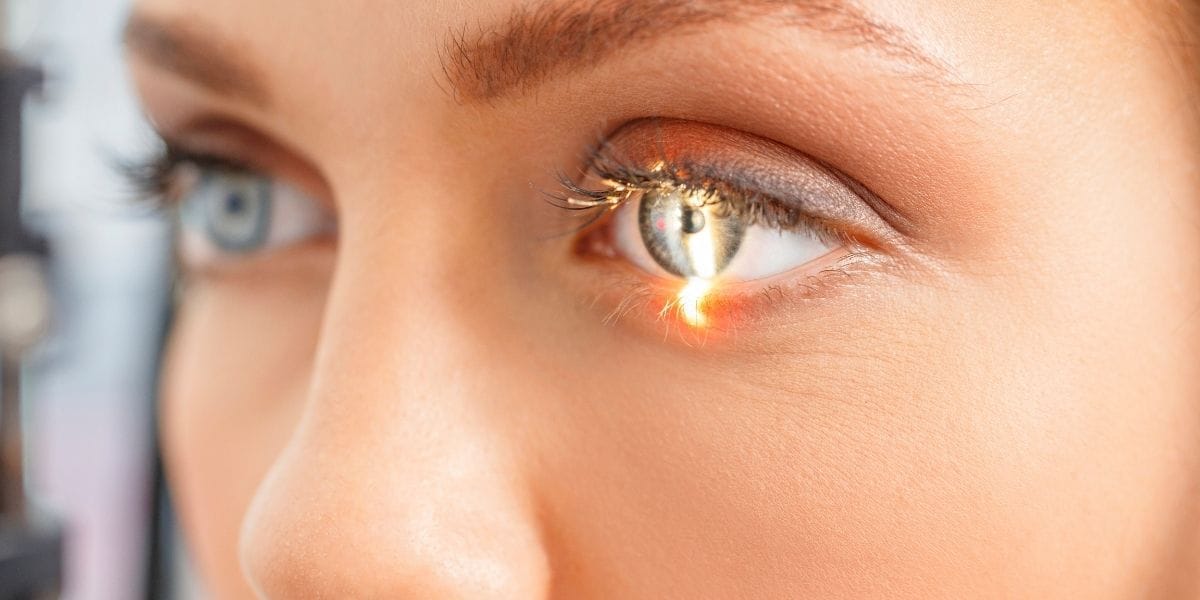
The SMILE laser method creates and removes a small corneal lenticule using femtosecond laser technology. This minimally invasive technique corrects refractive errors such as myopia and astigmatism and better preserves the biomechanical structure of the cornea compared to LASIK.
Additionally, SMILE provides fewer dry eye symptoms compared to LASIK and accelerates the nerve healing process. Studies have shown that surgeries performed with this method offer safe and effective results. Moreover, most patients achieve a visual acuity of 20/20 or better within a few months after the surgery.
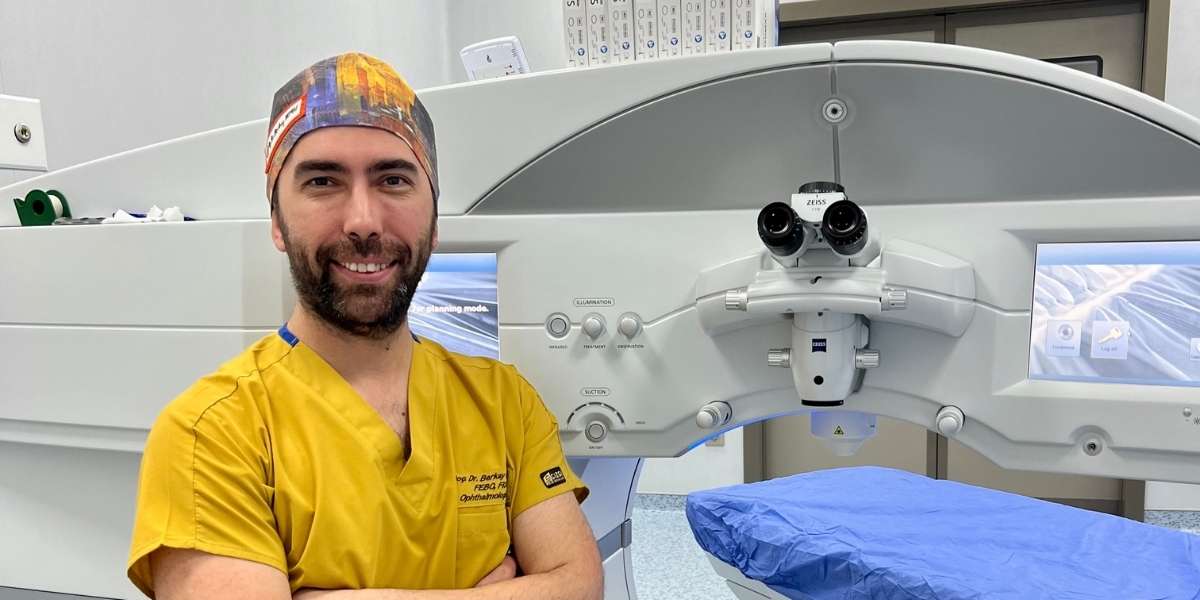
Turkey is one of the best country for Smile Laser at a afforable price. If you are looking for a place for Smile Laser abroad with best clinics and doctors, you are definitly on the right spot. Check Dr. Berkay Akmaz's Smile Laser prices, reviews and packages.
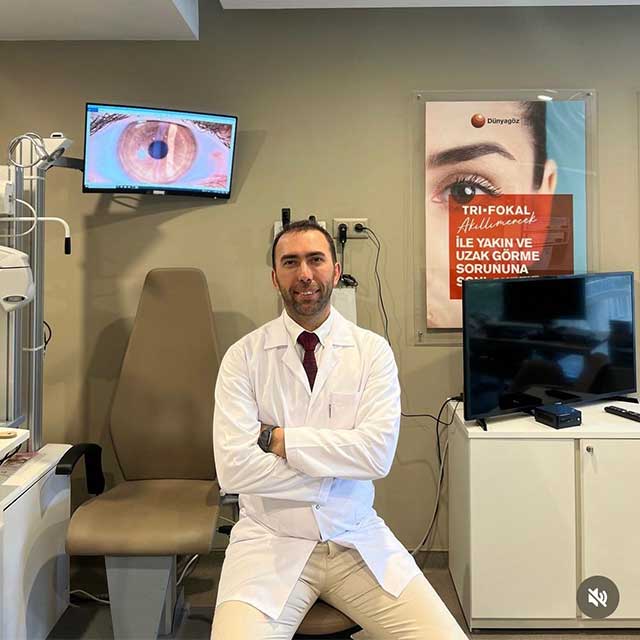
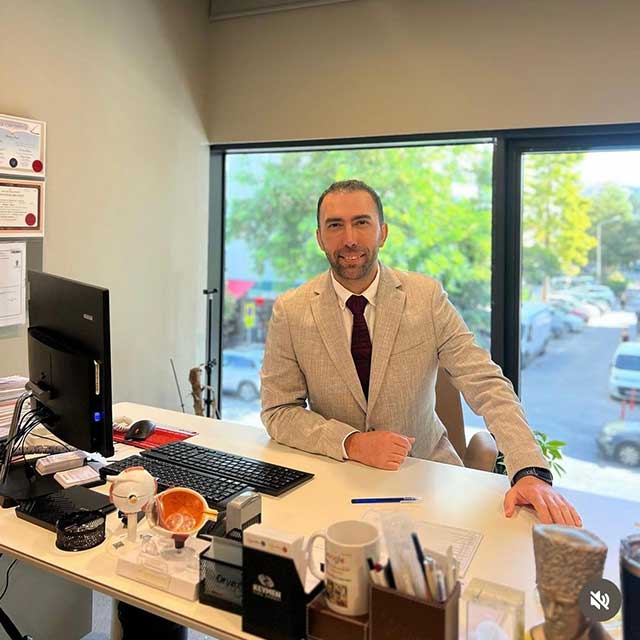
Ophthalmology Specialist – Assoc. Prof. Dr. Berkay Akmaz was born in İzmir in 1985. Due to his father's profession, he spent his primary school years in different cities. He began his education at Gülhane Military Medical Academy in 2003 and graduated with the title of Medical Doctor from Ege University Faculty of Medicine in 2010. In 2010, Assoc. Prof. Dr. Berkay Akmaz ranked 25th in the Medical Specialization Exam (TUS) in Turkey and started his specialization in the Department of Ophthalmology and Surgery at Dr. Lütfi Kırdar Kartal Education and Research Hospital. He completed his specialization training in 2014.






| Definition | SMILE, a minimally invasive laser eye surgery, is a laser treatment applied to correct myopia and astigmatism by making a small incision in the cornea. |
| Applications | Myopia and astigmatism treatment; especially preferred for athletes, individuals with an active lifestyle, or patients with thin corneas. |
| Mechanism of Action | A femtosecond laser creates a thin disc (lenticule) in the cornea, which is then removed through a small incision, thereby reshaping the cornea’s refractive power and improving vision. |
| Advantages | 1. Faster healing due to minimal incision 2. Less surface damage to the cornea and lower risk of dryness 3. Provides high precision and stability in the eye |
| Disadvantages | 1. Effective only for certain degrees of myopia and astigmatism 2. Not yet as widely available as other methods 3. Can be costly |
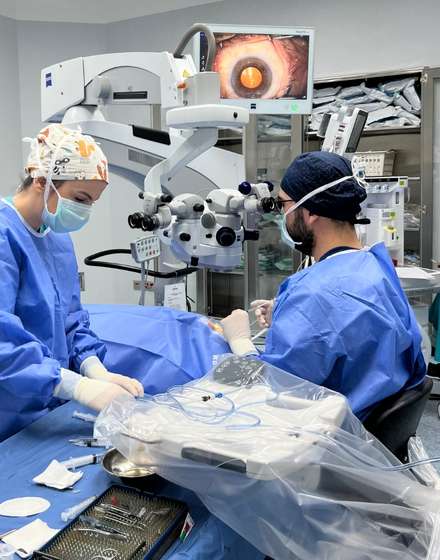
| Treatment Process | The procedure is performed under local anesthesia with eye drops and takes approximately 10-15 minutes. The laser creates a small lenticule in the cornea, which is then removed through a small incision. |
| Recovery Process | Rapid healing process; patients generally regain normal vision within a few days. Complete healing occurs between approximately 1 week to 1 month. |
| Side Effects | Mild dryness, sensitivity to light, temporary blurred vision; rarely corneal infection or difficulty with night vision. |
| Alternatives | 1. LASIK (Laser-Assisted In Situ Keratomileusis) 2. PRK (Photorefractive Keratectomy) 3. LASEK (Laser Epithelial Keratomileusis) |
| Eligibility Criteria | 18 years and older, with stable degrees of myopia and astigmatism, thin corneas, or unsuitable for LASIK. |
| Care and Follow-Up | Use of eye drops for several weeks post-surgery and attending doctor appointments. It is important to maintain eye hygiene and protect the eyes from sunlight. |
What is SMILE Laser?
SMILE laser is a minimally invasive refractive eye surgery performed to correct myopia and astigmatism. It was first introduced for clinical use in 2011 and received FDA approval in the United States in 2016. Compared to SMILE LASIK, it is performed with a smaller incision, reducing the risk of complications such as flap dislocation.
Additionally, this procedure has reached over 8 million applications as a widespread treatment in Europe and Asia. Globally accepted, this technique stands out as a less invasive alternative to LASIK and is preferred by many patients.
How Does SMILE Laser Work?

The SMILE laser method works by creating a thin lenticule within the corneal stroma, a process carried out using a femtosecond laser. In the procedure, the VisuMax femtosecond laser first shapes a lenticule at a depth suitable for the patient’s refractive error. The laser creates two separate planes in the cornea, defining the front and back surfaces of the lenticule.
- A small incision is made to remove the lenticule, and the surgeon accesses this area with precise instruments.
- The tissue surrounding the lenticule is carefully dissected and released.
- After the front plane is separated, the back plane is also dissected, and the lenticule is completely removed.
When is SMILE Laser Used?
The SMILE laser method is a suitable treatment option for specific patient profiles. It is generally recommended for patients with moderate to high myopia ranging from -0.5 to -10.00 diopters. Additionally, it is effective for individuals with myopic astigmatism up to -5.00 diopters. Since SMILE does not require a corneal flap, it is a minimally invasive method that preserves the biomechanical stability of the cornea. This feature is particularly advantageous for individuals with thin corneas or those engaged in contact sports. It also offers an ideal option for individuals who may be at risk of trauma due to occupational hazards.
Situations where SMILE laser surgery is preferred include:
- Patients who wish to reduce the risk of dry eye syndrome
- Individuals who want to better preserve corneal integrity
- People with high degrees of myopia
- Patients looking to reduce the risk of ectasia that can occur with LASIK
SMILE is generally suitable for individuals with a low risk of regression. It is particularly recommended for patients seeking less postoperative discomfort and faster visual recovery compared to PRK. However, SMILE is limited to myopic corrections and has not yet been approved for hyperopic or mixed astigmatism corrections. Nevertheless, some studies suggest potential future applications in these areas.
In conclusion, SMILE is an effective option for patients with high myopia and moderate astigmatism who prioritize preserving corneal strength and minimizing postoperative complications.
Who is Not Suitable for SMILE Laser?
The Small Incision Lenticule Extraction (SMILE) procedure is not suitable for certain patient groups and has specific contraindications. Therefore, doctors first evaluate whether patients are suitable candidates. Certain conditions can make the SMILE procedure less safe and effective, and these conditions are as follows:
- Thin Corneas: Individuals with corneal thickness below 480 microns are not considered suitable candidates for the SMILE procedure. Postoperative corneal thinning and outward bulging can occur, leading to complications such as ectasia.
- Keratoconus and Corneal Ectasia: Diseases that include corneal ectasia, such as keratoconus, constitute a contraindication for the SMILE procedure. In these cases, the structural integrity of the cornea can be compromised, increasing the risk of postoperative deformation.
- High Hyperopia and Mixed Astigmatism: SMILE is primarily developed for myopia and myopic astigmatism correction. It is not recommended for cases involving hyperopia and mixed astigmatism due to insufficient evidence of effectiveness and stability in these conditions.
- Previous Corneal Surgeries: Previous corneal surgeries like LASIK, PRK, or radial keratotomy can affect the SMILE procedure. In such cases, changes in corneal structure can lead to unpredictable postoperative results.
- Severe Dry Eye Disease: Patients with significant dry eye issues may not be suitable for SMILE. During the procedure, corneal nerves can be damaged, exacerbating dry eye symptoms.
- Systemic Autoimmune Diseases: Individuals with autoimmune diseases such as lupus rheumatoid arthritis or Sjögren’s syndrome may experience complications during the healing process. These diseases can also increase the risk of corneal complications.
- Pregnancy or Breastfeeding: Hormonal changes during pregnancy and breastfeeding can affect visual stability. To ensure more reliable postoperative results, the SMILE procedure is avoided during these periods.
- Unstable Refractive Error: Patients with refractive errors that have not yet stabilized are not ideal candidates for SMILE. This is particularly true for younger patients whose prescriptions are rapidly changing.
- Infections or Inflammation: Active eye infections or ocular inflammations should be treated before considering the SMILE procedure. Such conditions can increase the risk of infections and negatively affect the healing process.
How is SMILE Laser Applied?
The SMILE laser method is a minimally invasive procedure used to treat myopia and astigmatism. The procedure begins by applying anesthetic eye drops to the patient’s eye. A vacuum ring is placed to stabilize the eye, and the VisuMax femtosecond laser is used to create a small tissue lenticule within the cornea. A minimal incision of 2-4 mm is made on the corneal surface.
The lenticule is shaped between two laser-created planes. One plane is located in the lower layer of the cornea, and the other is just below the surface. The lenticule is designed to adjust the refractive power according to the patient’s prescription. The surgeon carefully separates and removes the lenticule using microscopic instruments through the small incision. After this process, the cornea is reshaped, and refractive errors are corrected.
Post-procedure, the closure phase involves allowing the corneal surface to heal naturally. Since no sutures are required in the SMILE method, the healing process is faster. There are several important points patients should adhere to after the procedure:
- Avoid strenuous and tiring activities for the first few days after surgery.
- Refrain from exposing the eyes to water or dust.
- Stay away from activities like swimming that could affect the eyes.
Most patients notice improvement within a few days and can resume normal activities. However, visual stabilization may take a few weeks.
What are the Side Effects of SMILE Laser?
While the SMILE laser surgery is known to be a safe and effective procedure, some potential side effects and complications may occur. These side effects are categorized into intraoperative and postoperative complications.
Intraoperative Complications:
- Vacuum Loss: Vacuum loss during the SMILE procedure is a rare but serious risk. Patient movements or the surgeon’s experience level can contribute to vacuum loss. In such cases, the procedure may need to be paused and restarted, making it difficult to correctly align the fixation points and potentially causing visual disturbances.
- Difficulty in Lenticule Removal: Incomplete laser cutting may result in difficulties during lenticule removal. In such cases, the lenticule may not be entirely removed, requiring additional manipulations. These extra procedures can increase the risk of surgical errors, leading to corneal damage.
Postoperative Complications:
- Dry Eye Syndrome: The SMILE procedure causes less dry eye syndrome compared to LASIK. However, temporary eye dryness and reduced corneal sensitivity are commonly reported after surgery. While dryness is usually temporary, some patients may experience it for an extended period.
- Visual Disturbances: Some patients may experience halos, glare, and reduced night vision after surgery. High-grade aberrations such as global aberrations and coma are rarer in SMILE, but these side effects can still be permanent in some patients.
- Misalignment: Misalignment can occur during treatment due to vacuum loss or patient movement, resulting in double vision and blurriness.
- Epithelial Growth: Rarely, epithelial cells may grow onto the surface. This can be caused by incomplete lenticule extraction or minor epithelial damage, leading to visual errors.
- Corneal Ectasia: Corneal ectasia, the thinning and bulging of the cornea, is considered a rare complication. This occurs due to insufficient preoperative screening and can lead to severe vision loss.
How Successful is SMILE Laser?
The success rates of the SMILE laser method are very high in correcting refractive errors such as myopia and astigmatism. SMILE particularly offers high effectiveness, safety, and predictability in myopia correction. Studies indicate that a large majority of patients who undergo SMILE surgeries achieve a visual acuity of 20/20 or better within a few months post-surgery. This demonstrates that refractive correction is both effective and predictable. Additionally, the SMILE method shows high predictability, with approximately 80% of patients achieving their target correction range within ±0.50 diopters.
Long-term results show that the SMILE method provides successful outcomes in moderate and high myopia, maintaining a visual acuity of 20/20 or better in about 90% of cases. Due to its minimally invasive impact on corneal biomechanics, the natural structure of the cornea is better preserved, offering an advantage for postoperative eye health. The SMILE method is notable for its low complication rates.
Data demonstrating the success rates are as follows:
- Approximately 92% of eyes treated with the SMILE method achieve a visual acuity of 20/20 or better.
- In the correction of moderate and high myopia, long-term results show 20/20 or better outcomes in about 90% of cases.
- 80% of SMILE patients fall within the intended correction range of ±0.50 diopters.
SMILE is considered a safe option as it maintains the risk of postoperative complications such as corneal ectasia or infections at a low level. In terms of visual quality, SMILE stands out compared to LASIK by causing fewer dry eye symptoms and offering faster nerve healing after surgery. While some patients may experience visual symptoms like halos or glare postoperatively, these complaints are less frequent compared to other procedures.
How to Prepare for SMILE Laser?
The preparation for the SMILE laser procedure involves a series of important steps to ensure patient safety and achieve the best results. Before the surgery, patients undergo a thorough eye examination, during which corneal thickness and curvature are assessed. Necessary measurements are performed using corneal topography, optical coherence tomography (OCT), and pachymetry, providing crucial data for surgical planning.
On the day of the surgery, patients should avoid applying makeup or skincare products around the eyes. Such products may contain potential contaminants and increase the risk of infection. The eyes are sterilized, and the surgical area is kept clean. During the procedure, a vacuum ring is used to stabilize the eye and minimize movement.
What Should Post-SMILE Laser Care Look Like?
Postoperative care after SMILE laser surgery is essential for a swift and healthy healing process. The aftercare includes specific steps and requires different precautions at each stage. Initially, eyes should be rested, and strenuous activities should be avoided. Patients should regularly use antibiotic and anti-inflammatory eye drops as prescribed by the doctor. Additionally, lubricating eye drops help keep the eyes moist and comfortable.
Postoperative activity restrictions are particularly important. Patients should avoid strenuous physical exercises and prolonged screen time. Such activities can put pressure on the eyes and negatively impact the healing process. Moreover, avoiding contact with water minimizes the risk of infection. It is essential to protect the eyes, especially during showering.
Environmental factors can also influence the healing process, so they should be carefully considered. Wearing UV-protective sunglasses while outdoors is important to shield the eyes from harmful sunlight. Additionally, avoiding dusty and smoky environments is crucial to prevent irritation. If exposure to such environments cannot be avoided, wearing protective eyewear can help safeguard the eyes.
Long-term care is also important to ensure permanent healing. Regular follow-up appointments after surgery are necessary to monitor the healing progress and minimize the risk of complications. Particularly, if symptoms such as severe pain, infection, or worsening vision occur, immediate consultation with a doctor is required.
How Do Resistances Against SMILE Laser Develop?
Resistance mechanisms against the SMILE laser develop through the interaction of various factors. Firstly, the biomechanical properties of the cornea are determining in this process. The thickness and rigidity of the cornea can increase resistance against the laser’s tissue separation effects. Particularly, thicker and stiffer corneas can cause the gas bubbles created by the laser to become trapped within the corneal layers. This leads to the formation of an opaque bubble layer (OBL), making the procedure more difficult. The presence of OBL complicates the extraction of the lenticule and can result in incomplete tissue separation. Consequently, residual lenticule material may remain, causing visual distortions.
Additionally, vacuum loss and procedural interruptions during surgery can also influence resistance mechanisms. If a vacuum loss occurs during laser application, the continuity of the procedure can be disrupted, leading to further complications. Especially if vacuum loss happens after the laser has started cutting the posterior lenticule, it is recommended to stop the procedure.
Another factor in the development of resistance mechanisms is myopic regression. Myopic regression occurs when the cornea fails to fully adapt to the structural changes induced by SMILE. The cornea’s natural healing response and the patient’s preoperative corneal thickness and rigidity play roles in this process. This situation may require careful preoperative evaluation and sometimes additional corrective procedures.
How much does SMILE Laser cost in Turkey?
SMILE Laser cost in Turkey is between €2,400 – €2,700.
Recent Posts

Dermatochalasis (Eyelid Sagging)
Anasayfa » Eyelid » Dermatochalasis (Eyelid Sagging)Dermatochalasis (eyelid sagging) is a condition caused by excess [...]
Read MoreMar
Congenital Cataract
Anasayfa » Cataract » Congenital CataractCongenital cataract is an eye disease that occurs when the [...]
Read MoreMar

Causes of Blurred Vision in One Eye
Anasayfa » Eye Health » Causes of Blurred Vision in One EyeThe causes of blurred [...]
Read MoreDec

Comments from Patients with Pseudotumor Cerebri
Anasayfa » Uncategorized » Comments from Patients with Pseudotumor CerebriComments from patients with pseudotumor cerebri [...]
Read MoreDec

Reviews of People Who Have Undergone Corneal Surgery
Anasayfa » Eye Health » Reviews of People Who Have Undergone Corneal SurgeryReviews from people [...]
Read MoreDec
Keratoconus Patient Reviews
Anasayfa » Eye Health » Keratoconus Patient ReviewsKeratoconus patient reviews provide important insights into the [...]
Read MoreDec

How Long Does Cataract Surgery Take?
Anasayfa » Cataract » How Long Does Cataract Surgery Take?The answer to the question of [...]
Read MoreDec
How Do Under-Eye Dark Circles Go Away?
Anasayfa » Uncategorized » How Do Under-Eye Dark Circles Go Away?The question of how under-eye [...]
Read MoreDec
Gallery