Türkçe
 Deutsch

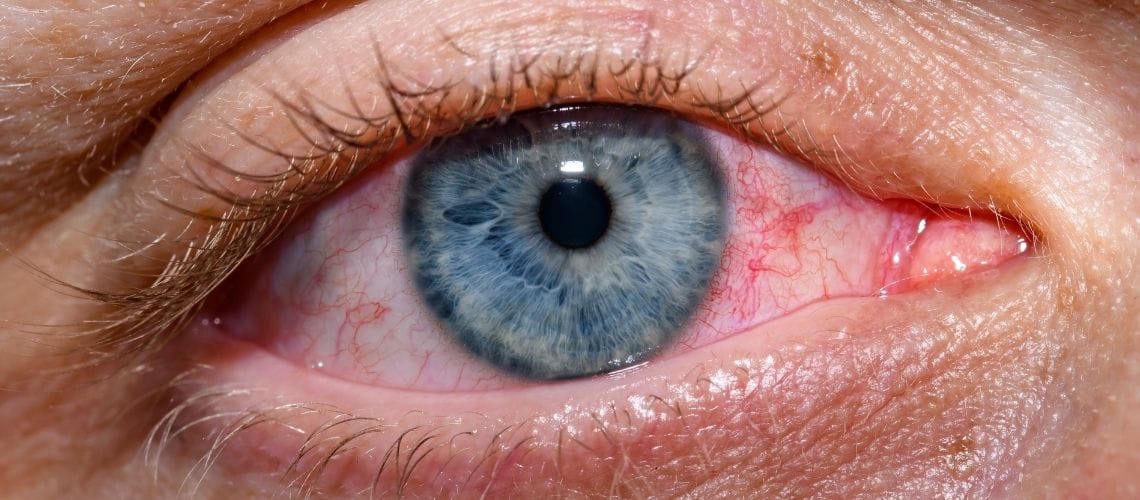
A growth on the eye is medically known as a pterygium. This tissue progresses from the white part of the eye toward the cornea, potentially impairing vision and causing cosmetic concerns. Prolonged sun exposure is the most significant risk factor.
Symptoms include redness, stinging, burning, and blurred vision. In advanced cases, the tissue may cover the cornea, reducing visual acuity.
Treatment may involve artificial tears and anti-inflammatory medications. In advanced cases that affect vision, surgical intervention is preferred. There is a risk of recurrence after surgery.
To prevent eye growth, wearing sunglasses and protecting against wind and dust is important. Early preventive measures can slow progression.
| Medical Name | Pterygium |
| Prevalence | More common in hot, dry, and sunny climates |
| Risk Factors | Prolonged sun exposure, living in dusty and dry environments |
| Symptoms | Redness in the eye, burning, stinging sensation, blurred vision |
| Complications | If it spreads to the cornea, it can cause astigmatism and visual impairment |
| Diagnostic Methods | Eye examination, slit-lamp inspection |
| Treatment Options | Eye drops (lubricating, steroid), surgery in advanced cases |
| Surgical Indications | Vision-threatening spread, cosmetic discomfort, frequent recurrence |
| Preventive Measures | Wearing sunglasses, protection from dust and UV light |
What Is a Growth on the Eye?
A growth on the eye refers to the abnormal extension of the conjunctiva—the transparent, protective membrane on the outer surface of the eye—onto the cornea, which is the clear layer at the front of the eye. This tissue isn’t just a simple spot; it’s a live structure with fibrous composition and blood vessels. It typically begins at the inner corner of the eye near the nose and gradually extends over the cornea like a wing. In fact, the medical term “pterygium” is derived from the Greek word for “wing.”
As it advances, the tissue may affect the outer layers of the cornea and alter its surface. While it may initially be small and asymptomatic, over time it can become cosmetically disturbing and, more importantly, lead to visual problems. This growth can occur in one eye or affect both.
Is a Growth on the Eye a Cancerous Formation?
This is one of the primary concerns for patients diagnosed with pterygium, and the answer is clear: No, a growth on the eye is not cancerous. It is a benign lesion, meaning it does not spread to other parts of the body (no metastasis). This is understandably reassuring.
However, being “benign” should not be interpreted as completely harmless. Pterygium can exhibit progressive and damaging behavior at the local level. As it grows, it can invade and destroy the Bowman’s layer—the outer layer of the cornea. This “locally invasive” nature explains why it may impair vision over time and require surgical treatment. In very rare cases, some atypical lesions may mimic precancerous conditions. Therefore, any new growth on the eye must be carefully evaluated by an ophthalmologist.
What’s the Difference Between Pterygium and Pinguecula?
Pterygium and pinguecula are two different conditions often confused due to their similar causes (sun exposure, wind, dust). Distinguishing them is essential for proper management.
Pinguecula appears as a yellowish, slightly raised spot on the white part of the eye, usually near the edge of the cornea. Rather than being a tissue overgrowth, it results from protein, fat, and calcium deposits. The key difference is that pinguecula does not tend to grow over the cornea. Pterygium, on the other hand, is an active fleshy growth that extends onto the corneal surface.
However, there’s an important link between the two. A long-ignored or chronically irritated pinguecula can become inflamed and evolve into a pterygium. Therefore, even a seemingly harmless pinguecula may actually be a precursor to a more serious condition.
What Causes a Growth on the Eye?
The main culprit behind eye growth is widely accepted to be long-term, unprotected exposure to ultraviolet (UV) rays from the sun. The answer to why a fleshy growth appears on the eye lies in the abnormal defensive and healing response of the eye surface to this chronic environmental damage.
To put it simply, UV rays—especially UVB—cause tiny damages in the DNA of cells on the eye surface. Normally, the body has mechanisms to repair such damage or prevent damaged cells from growing uncontrollably. However, years of constant exposure can weaken these defense systems. Specifically, if a crucial “tumor suppressor gene” like p53 loses function, stem cells at the edge of the cornea can begin to multiply abnormally, forming pterygium tissue.
Of course, sunlight isn’t the only factor. When we ask what causes eye tissue growth, other environmental elements also come into play. Living in hot, dry, and windy climates or being exposed to dust, sand, and other irritants can create chronic inflammation on the eye’s surface, triggering the formation of pterygium or accelerating its growth.
What Are the Risk Factors for Eye Growth?
Some individuals are more prone to developing a growth on the eye due to their lifestyle or geographic location. Knowing the risk factors helps you take preventive measures more consciously. The main risk factors include:
- Outdoor occupations (farmers, fishermen, construction workers)
- Regular participation in outdoor sports (surfing, skiing, sailing)
- Living in regions close to the equator with intense sunlight
- Hot, dry, and windy climates
- Advanced age (risk increases with age)
- Male gender (generally due to spending more time outdoors)
- Family history of pterygium
- Chronic dry eye
Is Eye Growth Genetic?
A growth on the eye is not a classic genetic disease passed from parent to child via a specific gene. However, a genetic predisposition is thought to play a role. That means if there’s a history of pterygium in your family (first-degree relatives), your risk of developing it may be slightly higher than average.
Think of it as a foundation. Genetic predisposition creates a favorable environment, but the main builder of the disease is usually environmental factors—primarily prolonged sun exposure. Therefore, individuals with a family history should take extra care with sun protection to minimize their risk.
What Symptoms Can Eye Growth Cause?
In its early stages, when the lesion is small, a growth on the eye may cause no symptoms at all, and the person may not even be aware of it. However, as it grows or becomes inflamed, various complaints may arise. The most common symptoms are:
- Persistent eye redness
- Burning and stinging sensation
- Itching
- Tearing or, conversely, a sensation of dryness
- Feeling like “there’s sand in my eye” or “something is in my eye”
- Blurred vision
- Discomfort when wearing contact lenses
These symptoms often intensify in windy, sunny, or dusty environments.
How Does Eye Growth Affect Vision?
The effect of eye growth on vision generally develops slowly and occurs through two main mechanisms. Understanding these mechanisms explains why treatment may be recommended even when the lesion is still small.
By Causing Astigmatism: This is the most common and often the first reason for visual disturbance. As pterygium tissue advances toward the cornea, it pulls on the transparent layer like a tent rope. This traction distorts the normally smooth, dome-shaped surface of the cornea. The resulting curvature leads to a refractive error known as “astigmatism.” Astigmatism prevents light from focusing on a single point on the retina, causing blurred vision at both near and far distances. This can occur even before the growth reaches the center of the pupil.
By Obstructing the Visual Axis: In more advanced and neglected cases, the pterygium can grow toward the center of the cornea, obstructing the pupil where light enters the eye. This physically blocks light from reaching the retina, leading to direct vision loss.
In addition to these two primary mechanisms, in very advanced cases, the growth may restrict the movement of the eye muscles, potentially leading to double vision (diplopia).
How Is a Growth on the Eye Diagnosed?
For an ophthalmologist, diagnosing pterygium is typically quite simple and does not require advanced testing. Diagnosis is made through a detailed eye examination using a special microscope called a “biomicroscope” (slit-lamp). This device allows us to examine the front part of the eye under high magnification. During the exam, the doctor evaluates the following features of the lesion:
- Its size and how far it has extended onto the cornea
- Its thickness and color (fleshy, red, or pale)
- Degree of vascularization (whether it’s active or inflamed)
- Whether it affects vision or causes astigmatism
In some cases, especially when planning surgery, an additional test such as “corneal topography” may be requested to map the surface of the cornea and precisely measure the degree of astigmatism. Photographing the lesion is also an important tool for objectively monitoring its growth over time.
Does Eye Growth Always Require Treatment?
No, not every case of pterygium requires immediate treatment. If the eye growth is small, not progressing, not causing any symptoms (such as stinging or redness), and most importantly, not affecting vision, a “watch and wait” approach is usually adopted. To answer whether pterygium goes away on its own: unfortunately, it does not disappear spontaneously. However, it can remain the same size for years without progressing.
In such cases, the best course of action is to undergo regular eye examinations every 6 to 12 months to keep the lesion monitored. Even in cases that do not require treatment, the most important measure the patient can take is to protect their eyes from environmental factors—especially sunlight—to slow or stop the growth of the pterygium.
When Is Surgery Necessary for Eye Growth?
Surgery is the permanent solution for pterygium, but the decision is made based on specific criteria. Eye growth surgery becomes necessary in the following situations:
- When Vision Is Affected: If the astigmatism caused by the pterygium can no longer be corrected with glasses or if the lesion grows near the pupil and threatens the visual axis, surgery becomes essential.
- When Symptoms Lower Quality of Life: Persistent symptoms such as redness, stinging, burning, or the sensation of a foreign body that do not improve with eye drops can significantly impact daily life and lead to surgical intervention.
- When the Lesion Continues to Grow: If regular check-ups show a consistent increase in size, it is better to intervene before it reaches a vision-threatening stage.
- When Cosmetic Concerns Are Significant: If the appearance of the pterygium causes notable psychological or social discomfort, this is also a valid reason for surgery.
- For Other Functional Issues: If the lesion restricts eye movements or prevents the use of contact lenses, surgery may be considered.
How Is Eye Growth Surgery Performed?
Pterygium surgery involves removing the abnormal tissue from the eye surface and repairing the area with healthy tissue. It is usually performed under local anesthesia (numbing only the eye) and takes approximately 30–60 minutes. The success of the surgery involves more than simply removing the pterygium.
The gold standard approach in modern surgery is the “autograft” technique. In this method, the pterygium is carefully removed from the cornea and scleral surface. Then, to cover the resulting gap, a thin piece of healthy tissue (graft) is taken from another part of the patient’s own eye—typically from the conjunctiva under the upper eyelid—and transplanted to the area. This graft carries healthy stem cells to promote proper healing and forms a physical barrier against recurrence. To fix the graft in place, either fine sutures or a special tissue adhesive called “fibrin glue” can be used. Using glue eliminates suture-related discomfort, improving postoperative comfort.
How Can Recurrence Be Prevented After Eye Growth Surgery?
The biggest challenge in pterygium surgery is the risk of recurrence. Especially in older techniques (without grafts), recurrence rates were very high. However, with modern surgical methods and adjunct therapies, this risk has been significantly reduced. Steps to prevent recurrence include:
- Choosing the Right Surgical Technique: Using grafts, especially the conjunctival autograft technique, is the cornerstone of preventing recurrence.
- Surgeon’s Experience: Thorough removal of the pterygium and all abnormal tissue is directly linked to the surgeon’s expertise in this area.
- Adjunctive Drug Therapies: In very large, aggressive, or recurrent cases, medications like “Mitomycin-C” may be applied in very low doses and for short durations during surgery to further reduce the risk of recurrence. This drug inhibits abnormal cell proliferation but is not used routinely due to potential side effects and should only be administered by experienced surgeons in high-risk cases.
- Postoperative Care: It is vital that patients use the prescribed steroid eye drops exactly as directed to control inflammation.
What Should Be Considered After Eye Growth Surgery?
Postoperative care is crucial to ensure surgical success and a smooth recovery. Patient satisfaction and post-pterygium surgery reviews are closely linked to how well these rules are followed. Important considerations include:
- Strictly following the prescribed schedule for antibiotic and steroid eye drops.
- Avoiding rubbing or pressing on the eye.
- Wearing a protective eye shield while sleeping during the first week.
- Avoiding soap and water contact with the eye during the first few weeks.
- Staying out of pools or the sea for 2–4 weeks.
- Avoiding dusty and smoky environments.
- Attending all scheduled follow-up appointments without fail.
- Continuing to wear sunglasses even after healing is complete.
How Can Eye Growth Be Prevented?
Pterygium is largely a preventable condition. To both prevent it from developing and slow the growth of an existing lesion, the most effective measures involve protecting the eyes from harmful environmental factors.
UV-Protective Sunglasses: This is the most critical preventive method. Make sure your sunglasses block 99–100% of both UVA and UVB rays. Choose wraparound styles that also block light coming from the sides.
- Wide-Brimmed Hat: A hat adds another layer of protection by significantly reducing direct sunlight reaching your eyes.
- Artificial Tears: Especially if you are in dry, windy, or dusty environments, regularly using artificial tears helps keep your eyes moist and reduces irritation on the eye surface, providing a protective effect.
If you notice a growth on your eye resembling a pterygium, don’t delay seeking medical attention. A proper diagnosis, personalized treatment plan, and access to the latest surgical techniques are best obtained by consulting an ophthalmologist to safeguard your eye health.
Frequently Asked Questions
What causes pterygium to develop on the surface of the eye over time?
Pterygium is commonly linked to long-term exposure to ultraviolet radiation, especially from sunlight. Chronic irritation from wind, dust, and dry environments may also contribute to the abnormal growth of conjunctival tissue toward the cornea.
How does prolonged sun exposure increase the risk of developing pterygium?
Ultraviolet light can trigger degenerative changes in the eye’s surface tissues. Repeated exposure over many years may damage cells and promote the formation of a pterygium, particularly in people living in sunny climates.
Why are outdoor workers more likely to develop pterygium than others?
People who spend extensive time outdoors are exposed to higher levels of sunlight, wind, dust, and environmental irritants. These factors can repeatedly stress the eye surface and increase the likelihood of pterygium formation.
Can dry eye syndrome contribute to the development or worsening of pterygium?
Yes, chronic dryness may irritate the conjunctiva and create ongoing inflammation. This persistent irritation can encourage tissue changes that contribute to the growth or progression of a pterygium over time.
What symptoms may indicate that a pterygium is becoming larger or more active?
A growing pterygium may cause redness, irritation, burning, foreign body sensation, excessive tearing, or blurred vision. Symptoms often become more noticeable when the tissue extends closer to the center of the cornea.
Can pterygium affect vision if it continues to grow across the cornea?
Yes, advanced pterygium can alter the shape of the cornea and induce astigmatism. If the growth reaches the visual axis, it may significantly impair vision and require more aggressive treatment.
How can sunglasses help prevent pterygium caused by ultraviolet exposure?
Sunglasses that block ultraviolet rays reduce direct sunlight exposure to the eye surface. Consistent use, especially outdoors, may lower the risk of developing pterygium and help prevent existing lesions from worsening.
Who is at the highest risk of developing pterygium due to environmental factors?
Individuals living near the equator, outdoor workers, athletes, fishermen, farmers, and people frequently exposed to dusty or windy conditions face a higher risk because of cumulative environmental exposure.
What treatment options are available when pterygium causes persistent symptoms?
Mild cases are often managed with lubricating eye drops and protective measures. When symptoms become severe or vision is affected, surgical removal may be recommended to restore comfort and preserve visual function.
Can pterygium return after surgery and what factors increase recurrence risk?
Pterygium can recur after surgical removal, particularly in individuals with ongoing ultraviolet exposure. Proper postoperative care, sun protection, and modern surgical techniques may help reduce recurrence rates.