Türkçe
 Deutsch

Lower eyelid aesthetics is a type of surgery aimed at addressing excess skin, fat accumulation, and sagging in the lower eyelid. This operation aims to reduce the signs of aging and give the eye area a more youthful appearance.
Various techniques involve the removal, repositioning, or preservation of fat. Transconjunctival methods, which leave no visible scar, are generally preferred for young patients, while transcutaneous approaches may be used in more advanced cases. However, meticulous planning is essential as undesirable complications may occur with any method.
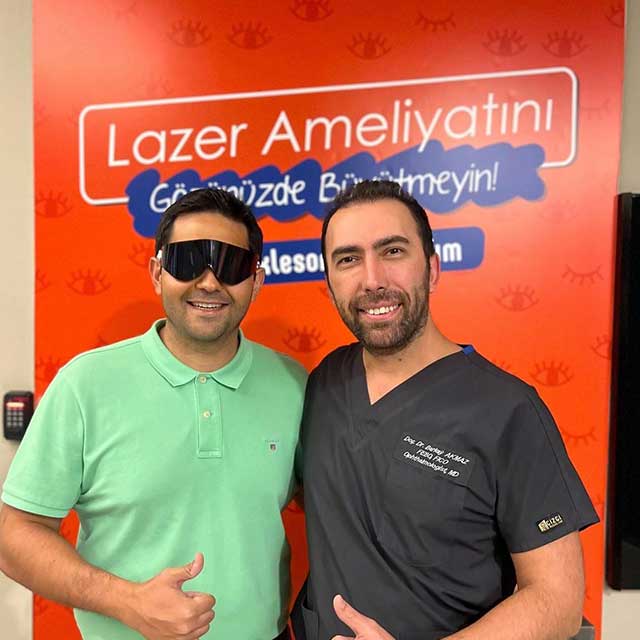
Turkey is one of the best country for Lower Eyelid Aesthetic Surgery at a afforable price. If you are looking for a place for Lower Eyelid Aesthetic Surgery abroad with best clinics and doctors, you are definitly on the right spot. Check Dr. Berkay Akmaz's Lower Eyelid Aesthetic Surgery prices, reviews and packages.
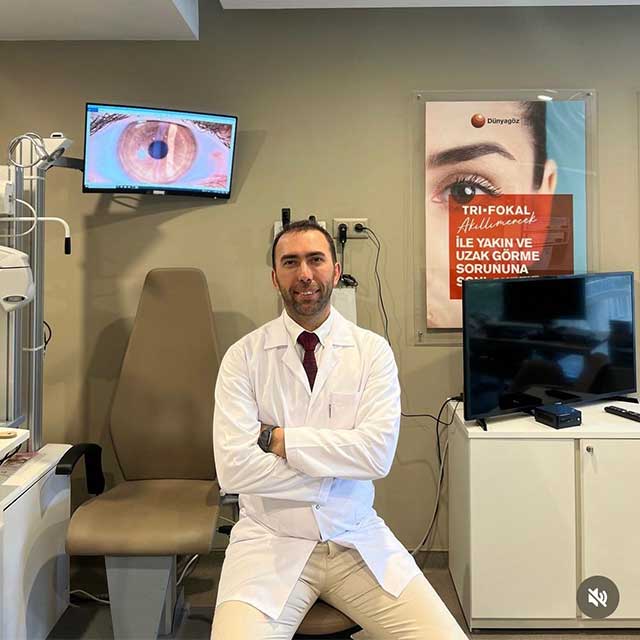
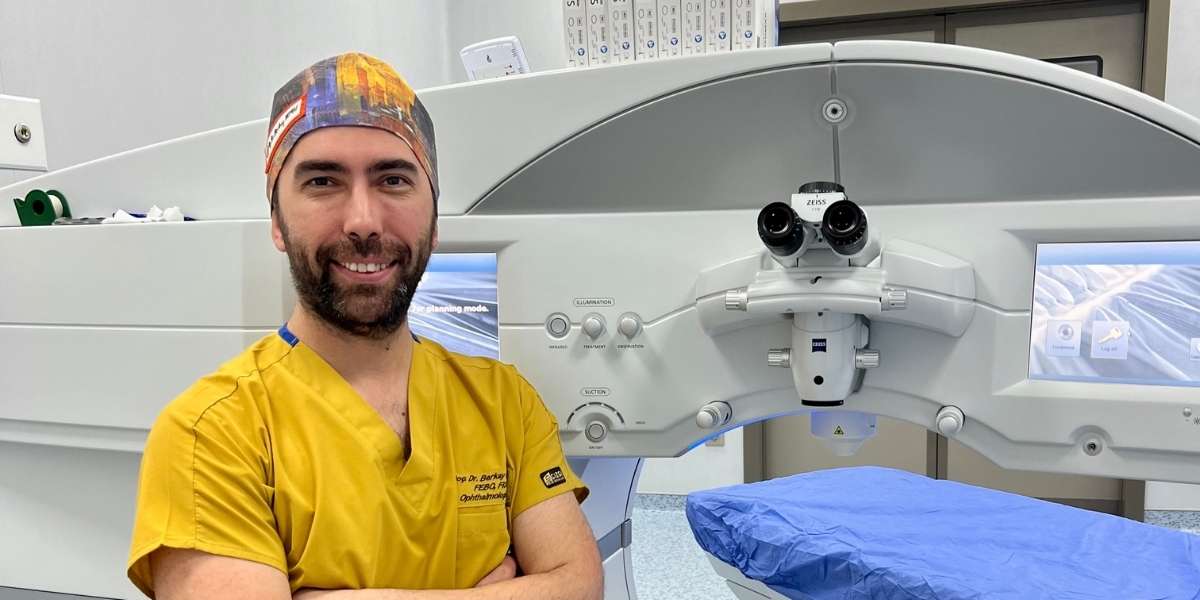
Ophthalmology Specialist – Assoc. Prof. Dr. Berkay Akmaz was born in İzmir in 1985. Due to his father's profession, he spent his primary school years in different cities. He began his education at Gülhane Military Medical Academy in 2003 and graduated with the title of Medical Doctor from Ege University Faculty of Medicine in 2010. In 2010, Assoc. Prof. Dr. Berkay Akmaz ranked 25th in the Medical Specialization Exam (TUS) in Turkey and started his specialization in the Department of Ophthalmology and Surgery at Dr. Lütfi Kırdar Kartal Education and Research Hospital. He completed his specialization training in 2014.






What is Lower Eyelid Aesthetics?
Lower eyelid aesthetics is a surgical procedure applied to correct sagging and puffiness in the lower eyelids. This operation is particularly preferred by individuals who want to reduce the signs of aging and give the eye area a more youthful appearance.
Depending on the method chosen by the surgeon, excess skin and fat may be removed or repositioned. The popularity of this application has rapidly increased since the mid-20th century. Nevertheless, it continues to be widely applied in aesthetic surgery.
How Does Lower Eyelid Aesthetics Work?
Lower eyelid aesthetics involve various techniques that contribute to the rejuvenation of the lower eyelid. These techniques include skin and muscle tightening, fat repositioning or removal, and eyelid support. All these methods take into consideration not only aesthetic improvement but also functional outcomes.
- Orbital Fat Management: Fat herniation that occurs in the lower eyelid due to aging causes the appearance of under-eye bags. Surgeons may remove or reposition orbital fat to reduce these bags. This procedure is commonly preferred in older patients to prevent a hollow appearance. The fat is transferred to supraperiosteal or subperiosteal planes to correct tear trough deformities and improve the contour between the lower eyelid and cheek.
- Skin and Muscle Tightening: To remove wrinkles and sagging in the lower eyelid, excess tissues are removed to achieve tightening. The orbicularis oculi muscle may also be tightened or repositioned to make the contour of the eyelid firmer. Additionally, orbicularis suspension techniques are applied to provide support for patients with eyelid laxity. These steps give the lower eyelid a more youthful appearance.
- Eyelid Support and Canthopexy/Canthoplasty: Lateral canthal support is often applied to correct or prevent laxity in the lower eyelid. Lateral canthopexy or canthoplasty strengthens the corner structure of the eyelid, preventing complications such as ectropion or retraction that may occur postoperatively. The eyelid is horizontally tightened to prevent functional and aesthetic deformities.
- Minimally Invasive Transconjunctival Technique: If there is no excess skin in the lower eyelid, a transconjunctival approach is preferred. This technique provides access to orbital fat from inside the lower eyelid without causing an external scar. Ideal for young patients, this approach can be combined with procedures such as fat repositioning to reduce the risk of complications.
When is Lower Eyelid Aesthetics Performed?
Lower eyelid aesthetics are usually performed to address certain aesthetic issues that arise due to aging. Over time, elasticity is lost in the lower eyelid area, leading to the formation of excess skin, wrinkles, and puffiness. This surgery is suitable for patients who want to achieve a younger and more energetic appearance. However, the surgeon takes into account certain indications to determine the necessity of surgery. Lower eyelid aesthetics can be performed in the following situations:
- Excess Skin and Wrinkles: When the skin loses its elasticity, excess or loose skin forms on the lower eyelid, resulting in wrinkles and fine lines under the eyes. Surgical intervention may be needed to address these issues.
- Fat Herniation (Bags): With aging, orbital fat pads protrude, forming under-eye bags. This gives the face a tired or aged appearance. These fat deposits can be removed or repositioned with lower eyelid surgery.
- Lower Eyelid Laxity: Weakening of the lower eyelid tissues over time can cause eyelid sagging. This not only leads to aesthetic concerns but can also cause functional issues, such as scleral show. Tightening the loose tissues can be part of the surgery.
- Tear Trough Deformity: A hollow appearance occurs when the area between the lower eyelid and cheek deepens. In such cases, fat grafting or repositioning can soften the transition.
- Malar Festoons or Edema: Swollen tissue masses between the cheek and eyelid can give a tired or aged expression. These swellings, caused by tissue sagging or fluid retention, can be corrected with lower eyelid aesthetics.
Some patients choose to combine lower eyelid aesthetics with a midface lift to achieve a more harmonious and youthful appearance with the cheeks. Deep folds, such as nasojugal lines that cause the face to appear aged, can also be improved with lower eyelid surgery.
Who is Not Suitable for Lower Eyelid Aesthetics?
Lower eyelid aesthetics are not suitable for individuals with certain medical and anatomical conditions. The following contraindications determine the candidates for this surgery:
- Serious or Unstable Health Issues: Conditions such as uncontrolled cardiovascular diseases, diabetes, or autoimmune diseases make surgery highly risky. These patients must stabilize their general health before considering surgery.
- Uncontrolled Dry Eye Syndrome: Individuals with dry eye complaints may experience more pronounced symptoms post-surgery. Lower eyelid aesthetics can have adverse effects on the tear film, worsening the condition.
- Active Thyroid Ophthalmopathy: Periorbital swelling caused by conditions like hyperthyroidism makes surgical outcomes unpredictable. Surgery is not recommended until the disease becomes inactive.
- Lower Eyelid Laxity or Malposition: Surgery increases the risk of complications in individuals with lower eyelid laxity or outward-turned eyelids. If the canthal tendon is loose, eyelid retraction may occur.
- Unrealistic Expectations: Psychological issues or unrealistic goals increase the risk of dissatisfaction with the surgical outcome. Even technically successful surgeries may not be satisfying.
- Prominent Eyeball or Negative Vector Orbit: Individuals with prominent eyeballs have a higher risk of complications such as eyelid retraction. These individuals may experience more issues after surgery.
- Previous Lower Eyelid Surgery: Scar tissue and altered anatomy from previous surgeries may lead to additional complications in subsequent operations.
How is Lower Eyelid Aesthetics Performed?
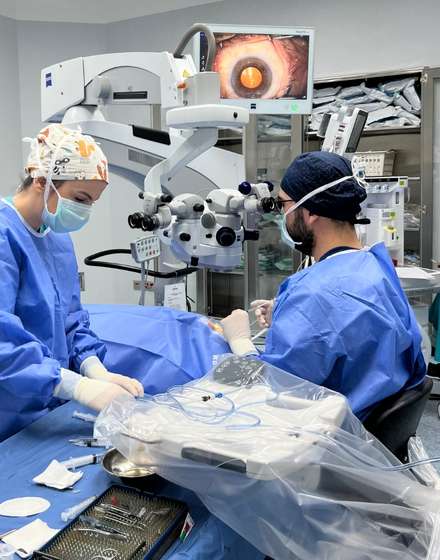
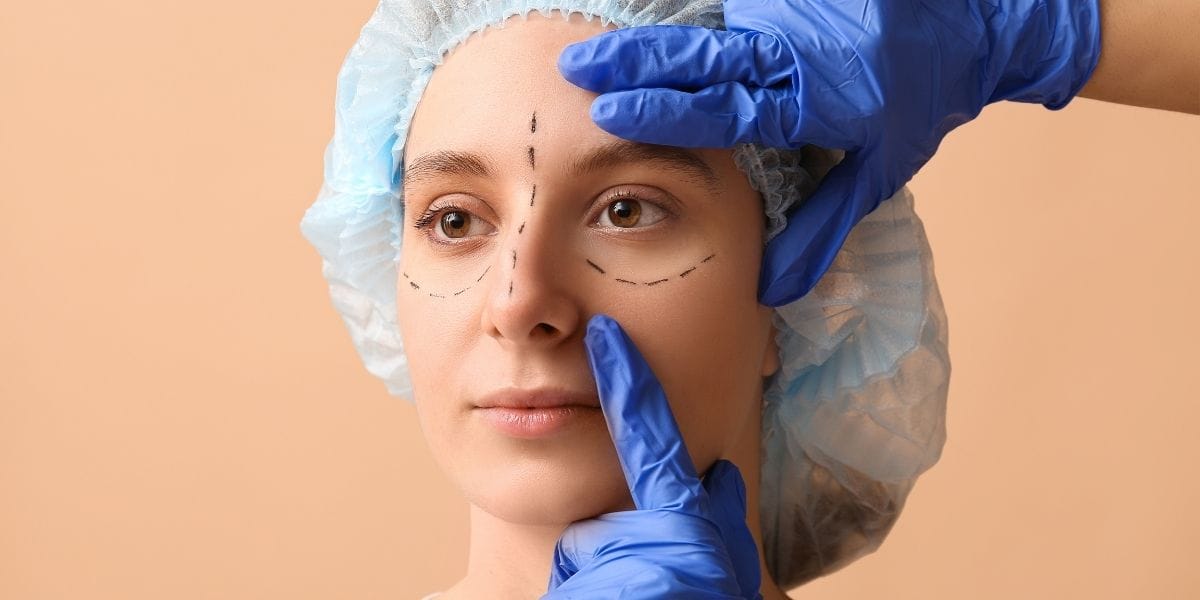
Lower eyelid aesthetics are performed using techniques tailored to the patient’s needs. The surgical procedure begins with the pre-surgical marking phase. In this phase, the surgeon carefully determines the incision location.
Typically, a lateral incision is made 2-3 mm below the lower lash line, following the natural wrinkle line to leave a less noticeable scar. The surgeon shapes this incision according to the amount of excess skin and the patient’s anatomical features.
During the surgery, the surgeon manages orbital fat depending on its pseudoherniation. In traditional methods, fat is removed, but modern techniques involve repositioning the fat. The fat is restructured and redistributed into the infraorbital region. This helps to smooth under-eye bags and depressions, creating a fuller appearance.
Muscle manipulation is an important part of lower eyelid blepharoplasty. The surgeon partially dissects the orbicularis oculi muscle and softens the transition between the lower eyelid and cheek. This procedure prevents drooping of the lower eyelid and shapes facial contours more naturally.
In some cases, canthopexy or canthoplasty is performed to prevent complications such as eyelid retraction or ectropion. These procedures stabilize the lateral canthus, helping the eyelid maintain the correct position.
Postoperative Closure and Recovery:
- After removing excess skin and fat, the incision is closed with fine sutures.
- If a transconjunctival approach is used, the scars are minimal.
- Cold saline is applied postoperatively to reduce swelling and chemosis.
The techniques used in lower eyelid blepharoplasty directly affect the outcome and recovery process of the surgery. With modern fat repositioning techniques, the procedure yields more successful results and reduces the risk of complications.
What Are the Side Effects of Lower Eyelid Aesthetics?
While lower eyelid aesthetics are generally considered safe, they can cause various side effects and complications. These side effects can range from mild to severe, and each patient may experience different outcomes. As with any surgical procedure, there are certain risks, and it is important to inform patients about these risks before the procedure.
Common Side Effects:
- Swelling and Bruising: Swelling and bruising around the eyes are common after surgery. These usually subside within a few weeks, though it may take longer for some patients. However, the condition tends to improve over time.
- Dry Eyes and Chemosis: Many patients report dry eye symptoms post-surgery due to disruption of the tear film and blinking function. Chemosis can worsen these symptoms, increasing irritation and tearing. Artificial tears and anti-inflammatory treatments are commonly used to manage this condition.
- Pain and Discomfort: Mild to moderate pain is common after surgery. This pain can usually be relieved with painkillers and decreases shortly after.
Moderate Complications:
- Scarring and Wound Healing Issues: Although eyelids usually heal with minimal scarring, minor irregularities may occur. Additional treatment may be required if issues such as hypertrophic scars or inclusion cysts persist.
- Eyelid Malposition: Malposition of the lower eyelid, especially ectropion or retraction, can lead to cosmetic concerns or functional problems with the eye.
- Diplopia (Double Vision): Double vision can rarely occur if muscles are damaged during surgery.
Severe Complications:
- Orbital Hemorrhage and Vision Loss: Bleeding within the eye can increase pressure, leading to vision loss. This is a serious complication that requires urgent surgical intervention.
- Infections: Infections around the eye, though rare, may develop. While these infections can be managed with antibiotic treatment, more serious treatment may be needed in some cases.
Other Concerns:
- Asymmetry: Irregularities in the shape or contour of the eyelids may occur, leading to dissatisfaction with the aesthetic result.
- Tearing and Irritation: Changes in eyelid function can lead to persistent tearing and irritation, which may require further intervention.
How Successful is Lower Eyelid Aesthetics?

Lower eyelid aesthetics are considered a reliable procedure with high success rates and low complication risks. According to studies, success rates range between 90% and 95%. However, patient satisfaction can vary significantly depending on the technique used and the experience of the surgeon.
- Common complications include eyelid malposition (less than 1%), scleral show, and ectropion (less than 0.25%).
- Chemosis, which refers to swelling of the conjunctiva, may occur at a rate of 1.9%.
Other complications, such as dry eyes, corneal abrasions, and infections, occur at a rate of less than 1%.
How to Prepare for Lower Eyelid Aesthetics?
The preparation process for lower eyelid aesthetics is carefully planned to ensure a successful outcome and safety. During the pre-surgery evaluation, the patient’s goals and health status are thoroughly examined. Factors such as medical history, medications used, and eye conditions are also assessed. Photographs taken before surgery are important for planning the operation and analyzing the results.
During the surgery planning phase, the surgeon marks the lower eyelid to determine areas of excess skin and fat. Then, the most appropriate surgical technique for the patient’s condition, either transcutaneous or transconjunctival incisions, is planned. During this process, the surgeon makes markings to ensure precision during surgery.
Medical preparation involves patients discontinuing certain medications that increase the risk of bleeding before surgery. It is also important to quit smoking as it negatively affects wound healing. If the patient has had fillers done before, hyaluronidase may be applied to dissolve filler remnants to prevent complications during surgery.
Patients are informed before surgery about potential complications and realistic expectations. Risks include eyelid malposition, scarring, and dry eyes. It is crucial that patients understand these issues before the operation.
What is the Post-Surgery Care for Lower Eyelid Aesthetics?
Post-surgery care is very important for a successful recovery and achieving the expected results of lower eyelid aesthetics. During this period, the patient must follow some guidelines to manage swelling, pain, and other side effects. Swelling may increase in the first few days after surgery and begins to subside after about a week. Cold compresses are recommended for the first 48 hours, applied for 20 minutes on and 20 minutes off. Keeping the head elevated while resting helps reduce fluid accumulation.
Eye care is also a critical part of post-surgery care. Patients may experience dryness and blurry vision after the operation. Eye drops or prescribed eye ointments can be used to alleviate these conditions. Additionally, contact lens use should be avoided for at least two weeks. Using thicker eye gels at night helps keep the eyes moist.
There are several important factors that patients should consider for pain management. Over-the-counter pain relievers are usually recommended for mild discomfort. However, medications such as aspirin and ibuprofen should be avoided as they increase the risk of bleeding. For severe pain, prescription painkillers can be used, though potential side effects should be considered.
There are also some activity restrictions that should be observed during the postoperative period. Heavy lifting, bending over, and strenuous exercise should be avoided, especially during the first week. Light walking is suitable to prevent blood clots, but screen time and reading should be limited to avoid eye strain.
Care of incision sites also plays an important role in the recovery process. Cleaning the incision sites with a sterile damp cloth and applying prescribed antibiotic ointment reduces the risk of infection. Makeup and skincare products should be avoided for the first two weeks.
Sun protection is also necessary for the healthy healing of the surgical area. It is important to wear sunglasses outdoors and apply a high-SPF sunscreen. Finally, attending all follow-up appointments ensures that any potential complications are prevented.
How Do Poor Outcomes Develop After Lower Eyelid Aesthetics?
Resistance to lower eyelid aesthetics can develop due to various factors, affecting the outcomes of the procedure. Post-surgical complications are among the factors that stand out, and they often negatively impact the position of the eyelid.
For example, issues like eyelid malposition, scleral show, and ectropion are commonly seen after surgery, resulting from internal scarring, skin retraction, or inadequate canthal support.
The following factors play an important role in the development of resistance:
- Negative Vector Midface: Eyes positioned prominently relative to the cheekbones can make it difficult to stabilize the lower eyelid.
- Periorbital Muscle Weakness: Weakness in these muscles can prevent the eyelid from staying in the desired position post-surgery.
- Volume Loss: Tissue loss, especially in the lower eyelid and midface area, reduces the longevity of lower eyelid aesthetics.
Some precautions can be taken to deal with such conditions. Canthal procedures such as canthopexy or canthoplasty aim to alleviate these problems, although they may not always be successful.
Additionally, postoperative lower eyelid retraction may remain a frequent complication. To reduce the effects of these complications, additional procedures such as fat repositioning, spacer grafts, or midface lifts are often preferred. All these methods aim to reduce the effects of resistance mechanisms and provide a more permanent aesthetic outcome.
Latest Posts

Dermatochalasis (Eyelid Sagging)
Anasayfa » Eyelid » Dermatochalasis (Eyelid Sagging)Dermatochalasis (eyelid sagging) is a condition caused by excess [...]
Read MoreMar

Congenital Cataract
Anasayfa » Cataract » Congenital CataractCongenital cataract is an eye disease that occurs when the [...]
Read MoreMar

Causes of Blurred Vision in One Eye
Anasayfa » Eye Health » Causes of Blurred Vision in One EyeThe causes of blurred [...]
Read MoreDec

Comments from Patients with Pseudotumor Cerebri
Anasayfa » Uncategorized » Comments from Patients with Pseudotumor CerebriComments from patients with pseudotumor cerebri [...]
Read MoreDec

Reviews of People Who Have Undergone Corneal Surgery
Anasayfa » Eye Health » Reviews of People Who Have Undergone Corneal SurgeryReviews from people [...]
Read MoreDec
Keratoconus Patient Reviews
Anasayfa » Eye Health » Keratoconus Patient ReviewsKeratoconus patient reviews provide important insights into the [...]
Read MoreDec

How Long Does Cataract Surgery Take?
Anasayfa » Cataract » How Long Does Cataract Surgery Take?The answer to the question of [...]
Read MoreDec
How Do Under-Eye Dark Circles Go Away?
Anasayfa » Uncategorized » How Do Under-Eye Dark Circles Go Away?The question of how under-eye [...]
Read MoreDec
Gallery