Türkçe
 Deutsch


Smart lens surgery offers a significant innovation in the field of eye health. It is used in both cataract surgeries and refractive lens replacements, thanks to intraocular lenses. This allows the patient to achieve clear vision at near, intermediate, and distant ranges. As a result, patients experience improved visual acuity at all distances.
Turkey is one of the best country for Smart Lens Surgery at a afforable price. If you are looking for a place for Smart Lens Surgery abroad with best clinics and doctors, you are definitly on the right spot. Check Dr. Berkay Akmaz's Smart Lens Surgery prices, reviews and packages.
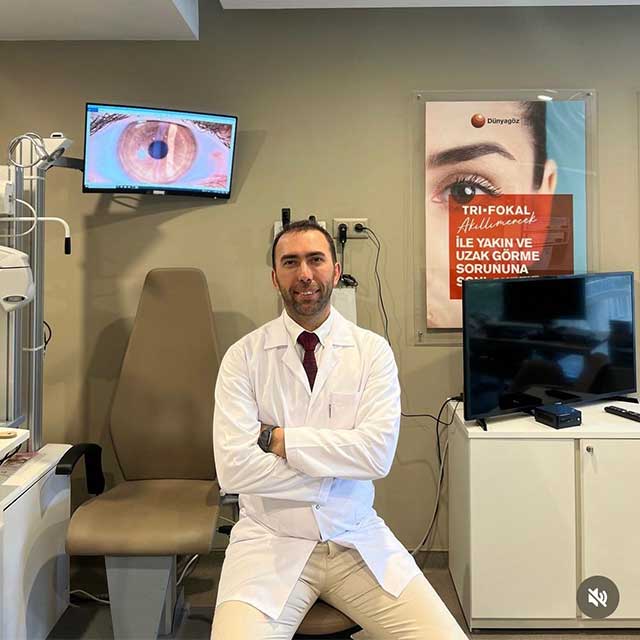
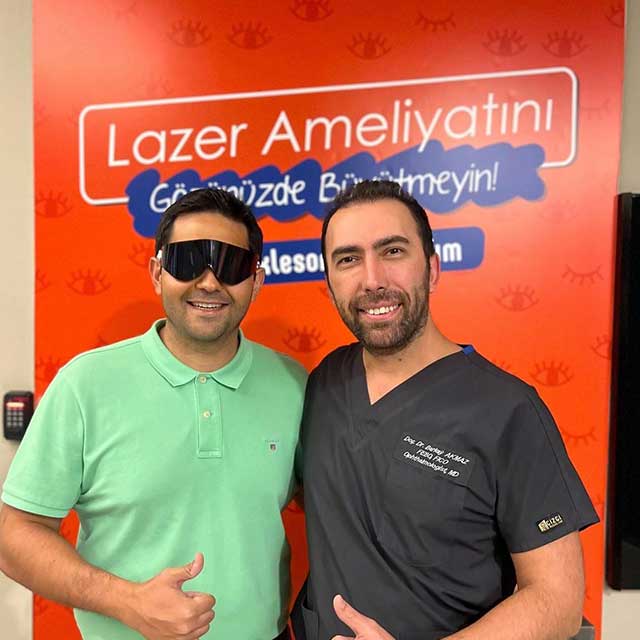
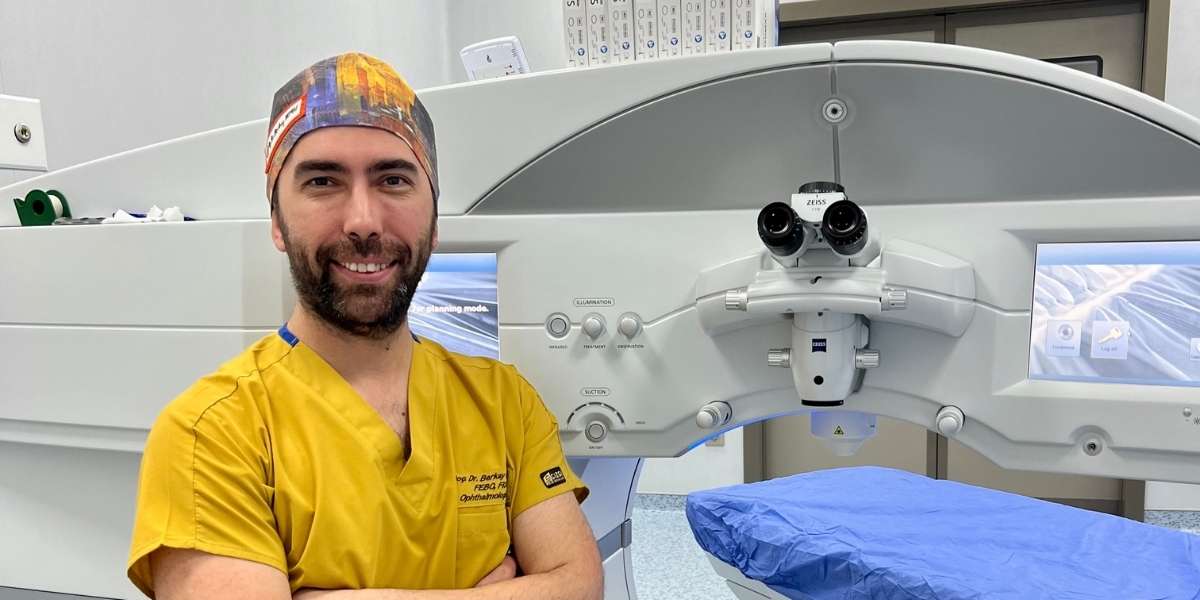
Ophthalmology Specialist – Assoc. Prof. Dr. Berkay Akmaz was born in İzmir in 1985. Due to his father's profession, he spent his primary school years in different cities. He began his education at Gülhane Military Medical Academy in 2003 and graduated with the title of Medical Doctor from Ege University Faculty of Medicine in 2010. In 2010, Assoc. Prof. Dr. Berkay Akmaz ranked 25th in the Medical Specialization Exam (TUS) in Turkey and started his specialization in the Department of Ophthalmology and Surgery at Dr. Lütfi Kırdar Kartal Education and Research Hospital. He completed his specialization training in 2014.






| Definition | Smart Lens Surgery is a procedure during cataract surgery in which multifocal or trifocal lenses are implanted into the eye. These lenses provide clear vision at both far and near distances. |
| Purpose | To eliminate cataracts and reduce or completely eliminate the need for glasses or contact lenses. |
| Applications | Suitable for cataract patients, individuals with presbyopia, or those with high refractive errors. |
| Advantages | Clear vision at far, intermediate, and near distances; improved quality of life; reduced dependence on glasses. |
| Operation Duration | Generally takes 15-30 minutes and is performed under local anesthesia. |
| Recovery Process | There is a rapid recovery process; patients can return to normal activities within a few days. |
| Risks and Side Effects | Risk of infection, lens displacement, glare or halos, dry eye symptoms. |
| Alternative Treatments | Single-focus lens implantation, laser refractive surgery, use of glasses or contact lenses. |
| Who is Suitable | Suitable for individuals with generally good eye health and without serious cornea or retina problems. |
| Preoperative Evaluation | Comprehensive eye examination, assessment of visual needs and expectations. |
| Cost | More expensive compared to standard lenses and may not be covered by insurance. |
| Durability of Results | The lenses remain in the eye for a lifetime and generally do not require repeat procedures. |
| Precautions | Follow the doctor’s instructions after surgery, do not miss regular check-ups. |
| Success Rate | Has a high success rate when performed by experienced surgeons. |
| Technology | Lenses produced using advanced optical technology can focus light at different distances. |
What is Smart Lens Surgery?
Smart lens surgery is a crucial treatment method in the field of eye health, utilizing intraocular lenses (IOLs). This technology, widely used in cataract surgery, was introduced in the mid-20th century. With advancing technology, smart lenses have been developed to provide clear vision at different distances. Moreover, since 2016, the FDA has increased approvals for these lenses. Among these approvals, Tecnis Symfony stands out for its ability to correct both near and distant vision. Another innovation is the RxSight Light Adjustable Lens, approved in 2017, which allows personalized adjustments after surgery, contributing to a glasses-free life.
What Are the Types of Smart Lens Surgery?
Smart lens surgery is performed both for cataract treatment and to achieve independence from glasses. During the procedure, multifocal, trifocal, or advanced optical design lenses are implanted into the eye to offer clarity at different distances. Here are the main types of smart lens surgery:
- Trifocal Smart Lens Surgery: Provides clear vision at far, intermediate, and near distances simultaneously; the most commonly preferred option.
- Multifocal Smart Lens Surgery: Offers clarity at near and far distances; intermediate support may be more limited.
- EDOF (Extended Depth of Focus) Smart Lens Surgery: Provides an extended depth of focus for smoother, more natural visual transitions.
- Toric Smart Lens Surgery: Corrects refractive errors in patients with astigmatism.
- Customized Smart Lens Surgery: A personalized treatment approach using lenses selected according to the patient’s eye structure and lifestyle.
What Are the Types of Smart Lens Surgery?
Smart lens surgery is a procedure performed both for cataract treatment and to achieve independence from glasses. It involves placing special multifocal or trifocal lenses inside the eye. These lenses, designed with advanced optical technology, provide clear vision at various distances. Here are the main types of smart lens surgeries:
- Trifocal Smart Lens Surgery: Provides clear vision at far, intermediate, and near distances simultaneously; it is the most preferred method.
- Multifocal Smart Lens Surgery: Focused on far and near vision; intermediate vision support may be limited.
- EDOF (Extended Depth of Focus) Smart Lens Surgery: Offers a natural and comfortable transition between distances by providing an extended depth of focus.
- Toric Smart Lens Surgery: Corrects astigmatism-related refractive errors in patients.
- Personalized Smart Lens Surgery: A customized treatment performed with lenses specifically designed according to the patient’s eye structure and lifestyle.
What Are the Types of Smart Lens Surgery?
Smart lens surgery is a procedure performed both for cataract treatment and to achieve glasses-free vision by implanting special multifocal or trifocal lenses inside the eye. These lenses, designed with advanced optical technology, provide clarity at different distances. Here are the main types of smart lens surgery:
- Trifocal Smart Lens Surgery: Provides clear vision at far, intermediate, and near distances simultaneously; it is the most preferred method.
- Multifocal Smart Lens Surgery: Focused on near and far distances; intermediate vision support may be limited.
- EDOF (Extended Depth of Focus) Smart Lens Surgery: Offers a smooth, natural vision experience with extended depth of focus.
- Toric Smart Lens Surgery: Corrects refractive errors in patients with astigmatism.
- Customized Smart Lens Surgery: A personalized treatment performed with lenses designed according to the eye structure and lifestyle of the patient.
How Does Smart Lens Surgery Work?
Multifocal lenses have multiple regions that can focus at different distances. These regions simultaneously reflect images from both near and far distances onto the retina. Multifocal lenses create focal points with concentric rings using diffractive and refractive optical technologies, enhancing clarity at various distances. Extended Depth of Focus (EDOF) lenses create a single extended focal point, providing a wider range of vision at near and intermediate distances.
Light-adjustable lenses (LAL) allow the adjustment of the lens’s refractive power using special silicone macromers. After surgery, specific regions of the lens can be activated with UV light for personalized correction. The advantages of light-adjustable lenses include:
- Adjustment without the need for additional surgery.
- Optimized for the individual’s specific visual needs.
- Provides more permanent vision correction in the long term.
When is Smart Lens Surgery Used?
Smart lens surgery is used for eye conditions such as cataracts, presbyopia, and astigmatism. This type of surgery helps patients achieve clearer and more comprehensive vision, reducing the need for glasses at various distances.
- Cataracts: Smart intraocular lenses are placed during cataract surgery to replace the natural lens removed. This helps focus light properly onto the retina, giving patients better distance, intermediate, and near vision. It is suitable for patients with significant vision impairment due to cataracts.
- Presbyopia: Multifocal, trifocal, and EDOF lenses improve near and intermediate vision, reducing dependency on reading glasses. They are ideal for individuals who require vision at multiple distances for their lifestyle.
- Astigmatism: Toric lenses correct refractive errors caused by astigmatism, improving visual quality. These lenses provide clear vision for patients with corneal astigmatism, enhancing overall visual outcomes.
- Ocular Health Conditions: Patients with stable ocular surface disease, managed glaucoma, or controlled macular degeneration may be suitable candidates for surgery after detailed evaluation.
- Other Functional Requirements: Accommodative lenses are suitable for younger patients who require dynamic focusing. Advanced monofocal lenses offer enhanced contrast and reduced glare for patients who do not require multifocal correction.
Who is Not Suitable for Smart Lens Surgery?
Individuals unsuitable for smart lens surgery include those with certain eye or general health conditions and specific risk factors. Firstly, patients with active ocular infections or untreated ocular surface disorders are not candidates until these conditions are treated. Additionally, individuals with corneal anomalies such as keratoconus or Fuchs dystrophy may have a higher risk of complications post-surgery.
Moreover, patients with uncontrolled glaucoma or high intraocular pressure are not ideal candidates for this surgery. Retinal pathologies, especially those with a history of diabetic retinopathy or macular degeneration, may also limit postoperative success.
- Ocular Surface Disorders: Untreated blepharitis, keratitis, or severe dry eyes
- Corneal Anomalies: Conditions such as keratoconus, Fuchs dystrophy, and corneal scarring
- Glaucoma and High IOP: Uncontrolled glaucoma and significantly elevated intraocular pressure
- Retinal Pathologies: Diabetic retinopathy, macular degeneration, and a history of retinal detachment
Individuals with lens capsule instability are also unsuitable for surgery, as this condition jeopardizes lens placement and stability. Additionally, systemic conditions such as autoimmune and inflammatory diseases increase the risk of postoperative inflammation. Pediatric patients and those with rapidly changing refractive power are also unsuitable due to issues with stability.
Lastly, individuals with overly high expectations from the surgery may not tolerate visual discomforts.
How is Smart Lens Surgery Performed?
Smart lens surgery follows a series of steps aimed at correcting the patient’s vision. This process begins with a pre-surgery evaluation. Initially, the patient’s eye structure is examined, and the appropriate lens type is selected. A choice is made between monofocal, multifocal, toric, or accommodative lenses. The corneal condition is then assessed, and the overall eye health is checked.
Preoperative preparations include prescribing eye drops to prevent infection and inflammation. Some patients may need to stop blood-thinning medications to reduce the risk of bleeding during surgery. Additionally, patients are advised to fast and clean their eyelids the night before surgery.
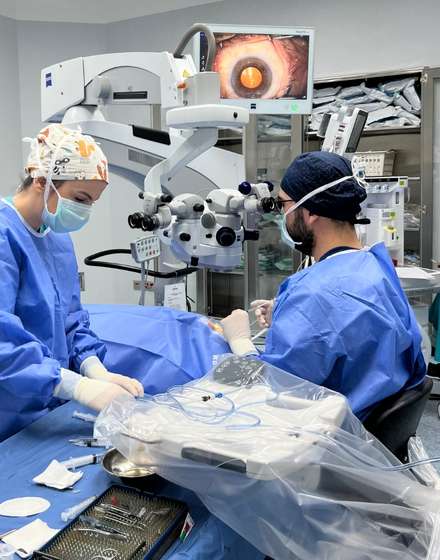
During the surgery, local anesthesia is applied to numb the eye, and a sedative is given to help the patient relax. The surgeon makes a small incision in the cornea and performs phacoemulsification to remove the natural lens. This process involves breaking up the lens with ultrasonic waves and then aspirating it.
Next comes the stage of implanting the artificial intraocular lens. The surgeon inserts the lens through a small incision, and it unfolds within the capsular bag. Usually, the corneal incision heals on its own after surgery, so stitches are not required.
After surgery, a protective eye shield is worn to protect the eye from external factors during the healing process.
What Are the Side Effects of Smart Lens Surgery?
The side effects and complications of smart lens surgery may vary depending on the type of lens used. Visual side effects are the most common and can impact the patient’s quality of life. For instance, glare and halos, common with multifocal lenses, manifest as glowing rings or light scatter around lights, especially in low-light conditions. These side effects may diminish over time for some patients but can become permanent.
Dysphotopsia, a visual phenomenon caused by the edge of the lens, appears as flickering arcs or peripheral shadows and is usually temporary. Loss of contrast sensitivity is another issue, especially with diffractive multifocal lenses, affecting the ability to distinguish objects from their backgrounds in low-contrast environments, impairing clear vision.
Physical complications, although rare, can include lens dislocation, which may result in double or blurred vision. If the lens shifts, surgical intervention may be necessary. Posterior capsule opacification (PCO), also known as secondary cataract, can cause blurry vision after surgery and is typically resolved with a simple laser procedure.
Inflammatory and infectious risks include endophthalmitis, a rare but severe infection that presents with eye pain, redness, and vision loss. Sterile techniques aim to minimize this risk. Chronic inflammation may occur, irritating intraocular structures and sometimes requiring additional medication.
Retinal complications, often due to surgical trauma, can include:
- Trauma or posterior capsule rupture during surgery.
- Symptoms like sudden flashes of light, floaters, or shadows.
Other potential complications include:
- Dry eye and reduced pupil response.
- Loss of accommodation.
How Successful is Smart Lens Surgery?
Smart lens surgeries are notable for their high success rates and the improvements they bring to patients’ visual quality. Each type of Smart Intraocular Lens offers different features that influence success rates:
- Monofocal Smart Intraocular Lenses: These distance-focused lenses are simple in structure, with a low risk of complications. 90% of patients achieve 20/40 or better vision. However, additional glasses are often needed for close-up vision. As they are covered by insurance, they are also a cost-effective option.
- Multifocal Smart Intraocular Lenses: These lenses provide vision at near, intermediate, and far distances, ideal for those preferring a glasses-free lifestyle. 96% of patients reach 20/40 or better vision, while over 50% achieve 20/20 vision. However, side effects such as halos and glare may occur in nighttime vision.
- Extended Depth of Focus (EDOF) Lenses: Offering clear vision across a broad range of distances, EDOF lenses excel in intermediate tasks such as computer use. While glasses may still be needed for near tasks, they cause fewer nighttime vision problems compared to multifocal lenses.
- Accommodative Smart Intraocular Lenses: Mimicking the eye’s natural focusing ability, these lenses help with both near and distant focusing. Although they contribute to near vision, they may not perform as consistently as multifocal lenses.
- Light-Adjustable Lenses (LALs): These UV-adjustable lenses personalize postoperative visual quality. They achieve high success rates at both distance and intermediate ranges, offering flexibility in adjusting to individual visual expectations.
Overall, these surgeries maintain a serious complication risk of less than 1%, and the majority of patients report reduced need for glasses after surgery. Advanced technology also helps minimize visual disturbances such as glare or halos.
How to Prepare for Smart Lens Surgery?
Preparing for smart lens surgery requires attention to ensure the best results and minimize the risk of complications. Several important steps must be followed meticulously. First, a pre-surgical eye examination is crucial. The eye doctor will take detailed measurements of your eyes to determine the type and power of the most suitable intraocular lens. Existing eye conditions will also be reviewed to create the best treatment plan.
The medications used before surgery should also be considered. Your doctor will want to know about all the prescription or over-the-counter medications and supplements you are taking. Some medications, especially blood thinners, may need to be discontinued to reduce the risk of bleeding. Diabetic patients may need additional tests to monitor blood sugar levels.
The use of preoperative eye drops is also essential to reduce the risk of infection and inflammation. Antibiotic and anti-inflammatory drops are typically prescribed, and their proper use can positively contribute to postoperative healing.
Fasting and dietary restrictions are important for the day of surgery. If local anesthesia is used, your doctor may recommend fasting for several hours beforehand. This is important to ensure the safety of the surgery. Diabetic patients may bring a sugary snack with them to manage blood sugar drops.
Hygiene and clothing should also be carefully considered. On the day of surgery, you should clean your face and avoid using makeup, lotions, or perfume. Comfortable, button-up clothing is also recommended.
It is essential to arrange transportation for after the surgery. Since your vision may be temporarily blurry after surgery, it is recommended to have someone accompany you for safety. Expect to spend three to four hours at the clinic or hospital, so be prepared accordingly.

What is Post-Surgery Care for Smart Lens Surgery?
Post-surgery care is crucial for the success of smart lens surgery. Patients need to rest and protect their eyes after the surgery. During this period, protective eye shields should be used, especially while sleeping, to prevent pressure or rubbing on the eyes. To ensure healthy healing, patients should avoid strenuous activities for at least one week.
It is important to minimize the risk of infection after surgery. For two weeks, patients should protect their eyes from contaminants. They should avoid swimming pools, jacuzzis, and other water sources and ensure water does not get into their eyes while showering. It is also recommended to avoid applying makeup around the eyes for one to two weeks. Similarly, the use of lotions or creams around the eyes should be limited for a few days.
Following hygiene rules is essential for infection prevention. Therefore, patients should gently clean their eyelids according to the surgeon’s instructions. Avoiding touching the eyes with unwashed hands helps reduce the risk of bacterial contamination.
The regular use of prescribed medications plays a critical role in supporting eye health after surgery. Antibiotic and anti-inflammatory eye drops help prevent infections and reduce inflammation. Additionally, lubricating eye drops recommended by the doctor can help alleviate dryness or discomfort, speeding up the recovery process.
Physical activities should be limited for the first two weeks. Patients should avoid heavy lifting, bending over, or engaging in high-impact sports. Light walking is usually acceptable with the doctor’s approval.
Since eye sensitivity may occur after surgery, it is advised that patients wear sunglasses, especially when outdoors. This provides protection from UV rays, supporting eye health and contributing to the healing process.

How Does Resistance Develop Against Smart Lens Surgery?
Resistance to smart lens surgery may develop due to various patient factors and technical limitations. Post-surgical inflammation may be problematic for some patients. Especially if the intraocular lens is not fully biocompatible, inflammation or immune response may occur. This can lead to reduced visual clarity and posterior capsule opacification.
Additionally, lens dislocation or decentration is another resistance mechanism. Accommodative models, in particular, tend to shift due to insufficient zonular support or misalignment during surgery. As a result, the desired visual outcome may be compromised.
Capsule fibrosis and contraction are also significant factors. Capsule fibrosis can cause the lens to misalign or decenter. This condition is more common in patients with high myopia or those who have experienced eye trauma.
Another factor is blue light filtering and glare sensitivity. The blue light filters found in some smart lenses may cause issues for patients sensitive to color changes. Additionally, visual disturbances like halos and glare may occur, negatively impacting the patient’s visual comfort.
Finally, refractive instability and mechanical limitations also contribute to the development of resistance. Some patients may experience refractive power changes after surgery, leading to unexpected astigmatism or residual refractive errors. Mechanically, smart lenses may wear out or malfunction over time.
Block "cost" not found
Latest Posts

Dermatochalasis (Eyelid Sagging)
Anasayfa » Eyelid » Dermatochalasis (Eyelid Sagging)Dermatochalasis (eyelid sagging) is a condition caused by excess [...]
Read MoreMar

Congenital Cataract
Anasayfa » Cataract » Congenital CataractCongenital cataract is an eye disease that occurs when the [...]
Read MoreMar

Causes of Blurred Vision in One Eye
Anasayfa » Eye Health » Causes of Blurred Vision in One EyeThe causes of blurred [...]
Read MoreDec

Comments from Patients with Pseudotumor Cerebri
Anasayfa » Uncategorized » Comments from Patients with Pseudotumor CerebriComments from patients with pseudotumor cerebri [...]
Read MoreDec

Reviews of People Who Have Undergone Corneal Surgery
Anasayfa » Eye Health » Reviews of People Who Have Undergone Corneal SurgeryReviews from people [...]
Read MoreDec
Keratoconus Patient Reviews
Anasayfa » Eye Health » Keratoconus Patient ReviewsKeratoconus patient reviews provide important insights into the [...]
Read MoreDec

How Long Does Cataract Surgery Take?
Anasayfa » Cataract » How Long Does Cataract Surgery Take?The answer to the question of [...]
Read MoreDec

How Do Under-Eye Dark Circles Go Away?
Anasayfa » Uncategorized » How Do Under-Eye Dark Circles Go Away?The question of how under-eye [...]
Read MoreDec
Gallery