Türkçe
 Deutsch

Disorders of the lacrimal gland manifest as either insufficient or excessive tear production. This condition may present as dry eye syndrome, infections, or inflammatory diseases of the gland. Early diagnosis is crucial for protecting the ocular surface.
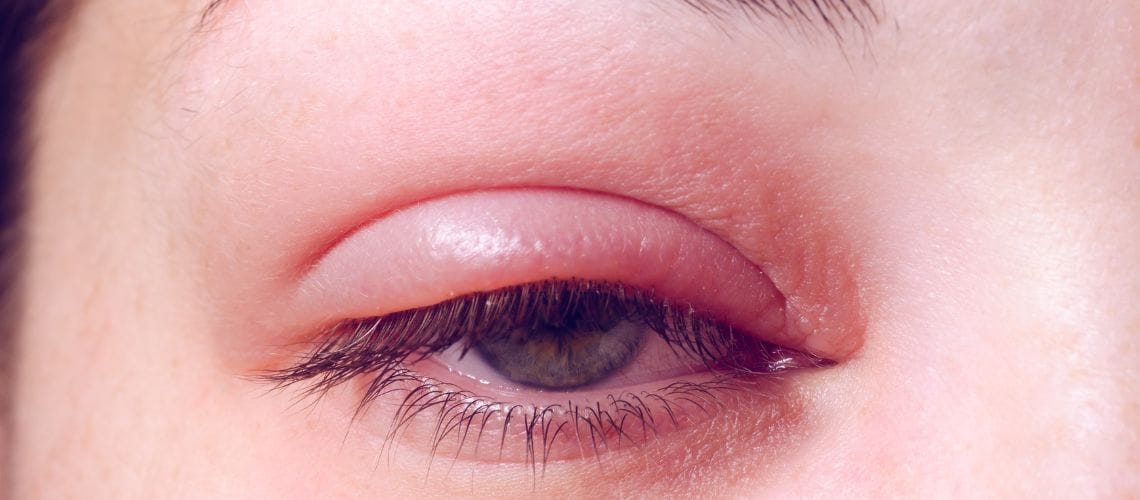
Inflammation of the lacrimal gland typically appears as an acute condition accompanied by pain, swelling, and redness. With appropriate antibiotic treatment and local care, rapid recovery is possible. Untreated cases may become chronic and lead to more serious complications.
Although tumors of the lacrimal gland are rare, they can cause swelling and visual disturbances. In such cases, biopsy and advanced diagnostic evaluations may be required. Early intervention is essential to preserve eye health.
Dry eye syndrome is the most common result of lacrimal gland dysfunction. Artificial tear drops, medications, and lifestyle changes can help manage this issue. Regular eye examinations are critical to prevent progressive damage.
What Are Other Disorders of the Lacrimal Gland and How Are They Classified?
Disorders of the lacrimal gland are classified into two main categories based on their origin and structure. This classification is the first step in accurate diagnosis and treatment planning. Approximately 10% of orbital masses originate from the lacrimal gland.
The main categories of these disorders include:
- Non-epithelial Lesions: Making up about 70–80% of lacrimal gland masses, these originate not from the glandular tissue itself but from supportive or inflammatory cells. The most common cause in this category is inflammation of the gland, known as dacryoadenitis. Lymphoproliferative disorders such as lymphoma are also included.
- Epithelial Tumors: These tumors arise from the epithelial cells lining the gland’s surface or forming its ducts. They are roughly split between benign and malignant types.
In addition to this primary distinction, autoimmune diseases or metastasis from cancers elsewhere in the body may also affect the lacrimal gland. It’s important to remember that not all swellings are tumors, but every swelling should be carefully evaluated by a specialist.
What Causes Lacrimal Gland Inflammation (Dacryoadenitis) and What Are the Symptoms?
Dacryoadenitis refers to inflammation of the lacrimal gland and is the most common cause of gland enlargement. It may be acute or chronic. Acute dacryoadenitis is typically caused by infections. Viral agents, particularly mumps or Epstein-Barr virus, are more common in younger individuals. Bacterial infections can also lead to this condition.
Chronic dacryoadenitis is usually a sign of an underlying systemic disease. Conditions such as sarcoidosis, thyroid eye disease (Graves orbitopathy), or Sjögren’s syndrome may cause chronic inflammation of the lacrimal gland.
Common symptoms of dacryoadenitis include:
- Swelling in the outer part of the upper eyelid
- Redness and tenderness in the swollen area
- Pain in and around the eye
- Excessive tearing or discharge from the eye
- Characteristic “S-shaped” curve in the eyelid
- Swelling of the lymph nodes in front of the ear
Treatment depends on the cause of the inflammation. Viral infections usually resolve spontaneously, while bacterial infections require antibiotics. For chronic or systemic disease-related cases, treatment of the underlying condition and the use of anti-inflammatory medications such as corticosteroids may be necessary.
What Are Benign Lacrimal Gland Disorders and How Are They Treated?
Benign tumors are non-cancerous, but they may grow and press on surrounding tissues, causing significant issues. The most common types are pleomorphic adenoma and dacryops.
- Pleomorphic Adenoma (Benign Mixed Tumor): This is the most frequently encountered benign tumor of the lacrimal gland. It typically appears between ages 30 and 50 and is known for its very slow growth. It is noticed as a firm, painless mass that grows slowly over months or even years, gradually pushing the eye downward and inward. It has its own capsule and should be surgically removed in one piece without rupturing the capsule. Rupture or incomplete removal carries a risk of recurrence and potential transformation into malignancy. Therefore, when this tumor is suspected, complete excision rather than diagnostic biopsy is preferred.
- Dacryops (Lacrimal Gland Cyst): This is a fluid-filled sac caused by blockage of a tear duct. It typically presents as a painless, mobile, bluish, and translucent swelling in the outer part of the upper eyelid. If it causes discomfort, visual problems, or cosmetic concerns, surgical removal may be necessary.
What Are Other Malignant Disorders of the Lacrimal Gland and Why Are They Dangerous?
Malignant tumors, meaning cancers, can also occur in the lacrimal gland. These tumors have the potential to grow rapidly and spread to surrounding tissues, nerves, bone, and even distant organs such as the lungs and brain (metastasis).
The most common malignant lacrimal gland tumors include:
- Adenoid Cystic Carcinoma (ACC): This is the most common malignant type. It typically grows rapidly (within months) and its most distinguishing feature is the tendency to spread along nerve tissue, causing severe and persistent pain. It is an aggressive tumor, and treatment usually requires a comprehensive approach including surgery, radiotherapy (radiation therapy), and sometimes chemotherapy.
- Lacrimal Gland Lymphoma: This is a more slowly progressive type of cancer, most commonly seen in individuals over the age of 60. It usually presents as a painless swelling. In some cases, it may produce a characteristic appearance on the white part of the eye (conjunctiva) known as a “salmon-colored patch.” Treatment is generally non-surgical and instead involves radiotherapy or chemotherapy. The prognosis is usually better compared to ACC.
In malignant tumors, pain and rapid growth are important warning signs. Therefore, any mass in the lacrimal gland region should be taken seriously.
What Causes Lacrimal Gland Prolapse and How Does It Differ from a Tumor?
Lacrimal gland prolapse occurs not because of growth or disease of the gland itself, but rather due to laxity of the ligaments that hold the gland in place, usually as a result of aging, causing the gland to shift downward. This condition is not a tumor but a structural positional change.
It is often asymptomatic, but in some individuals it is noticed as fullness or swelling in the outer part of the upper eyelid. It may be mistaken for a tumor, but there are important differences. A tumor represents new tissue growth, whereas prolapse is displacement of existing tissue. On examination, a prolapsed gland is usually soft and can be gently repositioned.
Treatment is only necessary if the prolapse causes cosmetic concern or affects the visual field. In such cases, treatment involves securing the gland back into its original position with sutures during eyelid surgery (blepharoplasty). Removal of the gland is avoided in order not to cause dry eye.
Which Systemic Diseases Cause Other Disorders of the Lacrimal Gland?
Sometimes a problem in the lacrimal gland may actually be a sign of a more widespread disease affecting the entire body. Autoimmune or inflammatory diseases, in which the immune system attacks the body’s own tissues, may target the lacrimal gland.
The main systemic diseases that can cause lacrimal gland disorders include:
- Sjögren’s Syndrome
- Sarcoidosis
- IgG4-Related Disease
- Thyroid Eye Disease (Graves Orbitopathy)
- Granulomatosis with Polyangiitis (GPA)
In these conditions, bilateral enlargement of the lacrimal glands, inflammation, and consequently severe dry eye are commonly observed. Based on these findings, an ophthalmologist may suspect an underlying systemic disease and refer the patient to the appropriate specialty (for example, rheumatology).
What Symptoms Do Other Lacrimal Gland Disorders Cause?
Lacrimal gland disorders may present with a variety of symptoms depending on the underlying cause. The presence of one or more of these symptoms warrants evaluation by a specialist.
The most commonly encountered general symptoms include:
- Swelling or fullness in the outer part of the upper eyelid
- Forward protrusion of the eye (proptosis)
- Downward and inward displacement of the eyeball
- Drooping of the eyelid (ptosis)
- Persistent or severe eye pain
- Double vision (diplopia)
- Changes in tear production (excessive tearing or dryness)
- Blurred vision or visual field loss
- Facial asymmetry
How Is the Diagnosis of Lacrimal Gland Disorders Made?
Accurate diagnosis is the foundation of appropriate treatment. In lacrimal gland disorders, diagnosis is made through a systematic, multi-step process. This process begins with taking the patient’s history; details such as how long the symptoms have been present, how they have progressed, and whether pain is present are important.
After a detailed history and clinical examination, the following diagnostic tests are commonly used:
- Computed Tomography (CT)
- Magnetic Resonance Imaging (MRI)
- Ultrasonography
- Biopsy and histopathological examination
- Blood tests (when a systemic disease is suspected)
When a tumor is suspected, imaging methods (CT, MRI) play a critical role in understanding the structure of the lesion, its borders, and its relationship with surrounding tissues. However, definitive diagnosis is often established by obtaining a small tissue sample from the suspicious lesion (biopsy) and examining it in a pathology laboratory. This examination clearly determines whether the lesion is benign, malignant, or inflammatory.
How Are Other Lacrimal Gland Disorders Treated?
There is no “one-size-fits-all” treatment for lacrimal gland disorders. The treatment plan is tailored entirely to the individual based on the established diagnosis.
Treatment options vary widely depending on the source of the problem:
- Medical therapies (antibiotics, steroids, immunosuppressants)
- Surgical excision (removal of a tumor or cyst)
- Lacrimal gland pexy (fixation of the gland in cases of prolapse)
- Radiotherapy (radiation therapy)
- Chemotherapy
- Targeted biological agents
For example, a bacterial inflammation is treated with antibiotics, whereas a benign tumor such as pleomorphic adenoma requires complete surgical removal. Cancers such as lymphoma often respond well to radiotherapy and chemotherapy, while more aggressive cancers like adenoid cystic carcinoma usually require much more extensive treatment combining surgery and radiotherapy.
Which Factors Affect the Course of Disease in Malignant Lacrimal Gland Tumors?
When a malignant tumor is diagnosed, many factors influence the course of the disease (prognosis). These factors shape the treatment plan and expected outcomes.
The main factors affecting prognosis include:
- The histological type and grade (aggressiveness) of the tumor
- Tumor size
- Stage at the time of diagnosis (extent of spread)
- Presence of spread to nerve or bone tissue
- Surgical margin status (whether the tumor has been completely removed)
For example, the prognosis of a small tumor detected at an early stage without spread to surrounding tissues is much better than that of an advanced-stage tumor. Therefore, early diagnosis is of vital importance.
In Which Situations Should You Consult a Doctor for Lacrimal Gland Problems?
If you notice any of the following symptoms related to your eye health, it is important to consult an ophthalmologist without delay.
Situations that require urgent medical attention include:
- A newly noticed or enlarging swelling in the upper eyelid
- A change in the position of the eye (forward protrusion or displacement)
- Persistent or progressively worsening eye pain
- Sudden onset or persistent double vision
- Drooping of the eyelid
- Decreased or blurred vision
Although these symptoms do not always indicate a serious condition, evaluation by a specialist is the safest way to ensure early diagnosis and treatment of potentially serious underlying causes.
Frequently Asked Questions
What are the less common disorders of the lacrimal gland that can affect tear production and eye health?
Less common lacrimal gland disorders include chronic inflammation, benign and malignant tumors, autoimmune diseases, and structural abnormalities. These conditions may interfere with normal tear production and lead to discomfort, swelling, or visual symptoms.
How do autoimmune diseases contribute to other disorders of the lacrimal gland?
Autoimmune conditions such as Sjögren’s syndrome can cause immune-mediated damage to the lacrimal gland. This may reduce tear secretion, resulting in persistent dry eyes, irritation, inflammation, and an increased risk of ocular surface complications.
Can other disorders of the lacrimal gland cause swelling around the upper eyelid?
Yes, many lacrimal gland disorders present with swelling in the outer portion of the upper eyelid. Depending on the cause, swelling may develop gradually or suddenly and can be accompanied by pain, redness, or changes in eye position.
What symptoms may indicate a tumor involving the lacrimal gland?
Lacrimal gland tumors may cause a visible mass, eyelid swelling, eye displacement, double vision, or progressive discomfort. Although some tumors are benign, early evaluation is important to determine the nature and extent of the condition.
How are other disorders of the lacrimal gland diagnosed by eye specialists?
Diagnosis often involves a detailed eye examination, imaging studies such as CT or MRI scans, tear function testing, and sometimes a biopsy. These evaluations help identify inflammation, structural abnormalities, or potential tumors.
Can chronic inflammation of the lacrimal gland lead to long-term eye problems?
Persistent inflammation may impair tear production and contribute to chronic dry eye disease. Without appropriate management, ongoing irritation can affect the ocular surface and reduce overall comfort, vision quality, and eye health.
What treatment options are available for other disorders of the lacrimal gland?
Treatment depends on the underlying cause and may include medications, immune-modulating therapies, antibiotics, surgical procedures, or tumor removal. A personalized approach is often necessary to address symptoms and preserve gland function.
Are other disorders of the lacrimal gland more common in certain age groups or medical conditions?
Some disorders occur more frequently in older adults, while others are associated with autoimmune diseases or specific inflammatory conditions. Individual risk varies according to genetics, overall health status, and underlying systemic disorders.
Can untreated lacrimal gland disorders affect vision and daily activities?
Although many conditions initially cause discomfort or dryness, untreated disease may lead to ocular surface damage, blurred vision, and difficulty performing tasks that require sustained visual focus, such as reading or computer use.
What is the long-term outlook for patients with other disorders of the lacrimal gland?
The prognosis depends on the specific diagnosis, severity, and response to treatment. Many inflammatory conditions can be managed successfully, while tumors and advanced disorders may require ongoing monitoring and specialized care.