Türkçe
 Deutsch

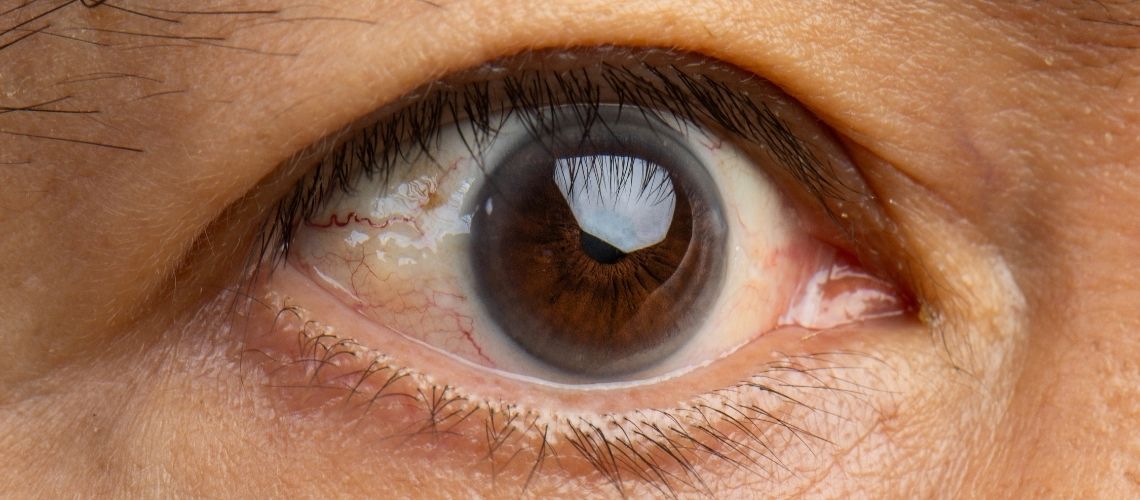
Eye redness, though often seen as a minor inconvenience, can be an extremely common condition that may affect overall eye health. The eyes are like the body’s window to the outside world; they are exposed to all sorts of light, air, foreign substances, and digital screens in everyday life. This intense exposure can lead to both physical and allergic reactions in the eyes. Moreover, factors such as prolonged screen time in an increasingly digital world, air pollution, seasonal pollen increases, and contact lens use also elevate the likelihood of experiencing eye redness. So, what are the most common causes of eye redness, and what should you do if it occurs?
| Definition | A condition in which the blood vessels in the white part of the eye (sclera) become enlarged, resulting in redness. It typically stems from irritation, infection, or allergies. |
| Causes | Dry Eyes: Insufficient tear production or prolonged screen use. Allergies: Pollen, dust, pet dander, or lens use. Eye Infections: Conjunctivitis (pink eye), stye, blepharitis. Trauma or Irritation: Rubbing the eye, chemical substances (chlorine, smoke, makeup products). Lens Use: Wearing lenses for prolonged periods or not following hygiene rules. High Eye Pressure (Glaucoma): If sudden redness occurs along with vision loss, urgent treatment may be required. |
| Symptoms | Mild or intense redness, tearing, itching, burning, light sensitivity, discharge, blurred vision. |
| Home Treatment Methods | Cold Compress: Can reduce swelling and irritation. Artificial Tear Drops: Helpful for redness associated with dry eyes. Avoiding Allergens: Stay away from triggers like pollen, smoke, perfume. Screen Breaks: If using a computer or phone for a long time, rest the eyes every 20 minutes. |
| Medical Treatment Methods | Antibiotic Drops or Ointments: Prescribed by a doctor for bacterial infections. Antihistamine Eye Drops: Used for redness due to allergic reactions. Steroid Eye Drops: Used under medical supervision in cases of severe inflammation. |
| When to Consult a Doctor? | If redness lasts longer than 3 days, or if there is vision loss, light sensitivity, severe pain, or purulent discharge, you should urgently consult an ophthalmologist. |
What Are the Common Causes of Eye Redness and How Can They Be Addressed?
Eye redness occurs when the blood vessels surrounding the thin membrane (conjunctiva) over the “white” part of the eye (sclera), or the vessels around the eye’s protective outer layer, become enlarged. This enlargement is due to blood filling and swelling the vessels for various reasons.
Conjunctivitis (Eye Inflammation)
Conjunctivitis is the inflammation or irritation of the thin membrane called the conjunctiva. It is often caused by bacterial or viral infections but can also result from allergies.
- Bacterial Conjunctivitis: Typically presents with discharge, often yellow-green in color, causing eyelashes to stick together upon waking. In most cases, it is rapidly treatable with appropriate antibiotic drops or ointments.
- Viral Conjunctivitis: Can be triggered by viruses similar to those causing the common cold. Watery discharge and significant tearing are more pronounced. Resting, keeping the eyes clean, and supportive treatments (such as artificial tears) help manage symptoms.
- Allergic Conjunctivitis: Arises from exposure to allergens like pollen, dust, or pet dander, especially during seasonal transitions. Itching, tearing, and redness are prominent complaints. Avoiding allergens, using antihistamine eye drops, and taking medications recommended by a doctor can provide relief.
Foreign Bodies and Eye Trauma
Dust, dirt, or metal fragments that enter the eye while working outdoors or in daily life can cause eye redness. Much like dust settling on a sheer curtain and clouding the view, a foreign object in the eye can create irritation, leading to redness and a stinging sensation. In such cases:
- Refrain from rubbing your eyes; otherwise, the foreign object may scratch the cornea.
- Rinsing gently with artificial tears or sterile saline is recommended.
- If the object does not come out or if there is severe pain, redness, or blurred vision, seek an eye specialist promptly.
Allergies
Allergies that affect the eye’s blood vessels can become especially noticeable during seasonal periods. Reactions to pollen, dust mites, pet dander, or cosmetic products can cause itchiness, tearing, and redness.
- The best solution, if possible, is to identify and avoid the allergen.
- Antihistamine eye drops, mast cell stabilizers, and artificial tears can help relieve symptoms.
- Details on allergic conjunctivitis are discussed separately under that heading.
Environmental Factors
Strong sunlight, air pollution, wind, or chlorinated pool water can irritate the eyes and cause redness. Simple precautions such as wearing sunglasses in summer and opting for the sea over a pool (or wearing goggles if you swim in a pool) can help with protection. In windy or dusty conditions, wearing protective eyewear also proves beneficial.
Dry Eye Syndrome
One of the greatest “eye” problems of modern times is eye dryness, which increases with prolonged computer and phone use. When the tear film that keeps the eyes moist is insufficient, the eye surface becomes irritated. This irritation manifests as burning, stinging, and redness. For those experiencing dry eyes:
- Consciously blinking more frequently or applying the 20-20-20 rule (looking at a point 20 feet away for 20 seconds every 20 minutes) can provide relief.
- Artificial tear drops improve tear film quality and reduce redness.
- Under a doctor’s guidance, omega-3 supplements or tear duct plugs can offer long-term help with dry eyes.
Contact Lens Use
Contact lenses are foreign objects in continuous contact with the eye. Mistakes such as incorrect use, wearing lenses for too long, or neglecting hygiene can lead to oxygen deprivation, infection, and redness. People who wear contact lenses should:
- Never wear lenses beyond the recommended duration.
- Regularly change the lens solution and clean the lens case thoroughly.
- Remove lenses and monitor the situation if irritation, pain, or significant redness occur.
- Switch to daily lenses or different lens materials recommended by a doctor if necessary.
Superficial Eye Abrasions
Small scratches on the cornea or conjunctiva can occur due to a hard impact or even when rubbing the eyes with your fingernails. Although sometimes very small, these scratches can cause intense redness and a stinging sensation. In the case of minor abrasions, the eye usually recovers within a few days. During recovery, using eye drops and preventing further irritation are essential. If the pain does not subside or there is visual impairment, a detailed examination is required.
Eye Rubbing
Rubbing the eyes out of fatigue, itching, or habit can sometimes seem harmless, but it may cause microdamage to blood vessels or spread infection in inflamed situations. Additionally, eye rubbing can lead to small bleeds in superficial vessels—known as “subconjunctival hemorrhage.” A sudden red spot or patch in the eye often results from one of these vessels bursting. While it usually is not serious, it can be alarming. The redness typically disappears on its own within 1-2 weeks.
Considering these causes, it is necessary first to determine the underlying reason for redness and then apply an appropriate intervention. For instance, simple allergic reactions can be controlled with antihistamine drops, while bacterial conjunctivitis may require antibiotic treatment.
How Do Allergic Reactions Contribute to Eye Redness, and Which Treatments Are Helpful?
Whether it’s the pollen levels increasing with the seasons, dust mites at home, or pet dander—while the causes of allergic reactions vary, the resulting symptoms are often similar: itching, tearing, and redness. To understand how allergies affect the eye, one must look at the body’s defense mechanisms.
Mechanism of the Allergic Response
When the immune system encounters an allergen, it releases substances like “histamine.” These substances cause dilation of blood vessels in the conjunctiva and lead to swelling, redness, and even a burning sensation in the eye. The effect of histamine around the eye is akin to a traffic jam on a busy street; vessels dilate, more blood rushes in, and pronounced redness appears.
Highlighted Treatment Methods
- Antihistamine Eye Drops: These drops block histamine receptors on the eye’s surface, reducing redness and itching. Relief can be felt quickly after use.
- Mast Cell Stabilizers: Mast cells are “sentinel” cells responsible for releasing histamine and related substances. These drops prevent mast cells from overreacting, offering long-term protection.
- Combination Drops: Eye drops containing both antihistamines and mast cell stabilizers are especially chosen for severe allergic conjunctivitis. They offer more robust protection and faster relief.
- Cold Compress and Artificial Tears: Cold compresses constrict enlarged blood vessels, reducing redness and swelling. Artificial tears help flush allergens out of the eye.
- Avoiding Allergens: Staying away from dusty environments, spending less time outdoors when pollen levels are high, or wearing sunglasses outside are practical and effective methods. Those sensitive to pet dander should maintain rigorous cleaning routines and, if possible, limit direct contact with animals.
The key point in treating allergic eye redness is to minimize contact with the allergen so that treatment can be effective. Otherwise, continuous exposure of allergens to the eye will reduce the effectiveness of medications and cause symptoms to recur.
Can Eye Redness Caused by Fatigue or Irritation Resolve on Its Own?
In today’s digital world, computers, smartphones, and televisions can exhaust the eyes more than ever. Eye redness due to fatigue typically subsides on its own “once the eyelids rest,” so to speak. But how long is this expected to take?
Fatigue-Related Redness
Spending long hours at the computer, not getting enough sleep, or overusing the eyes can weaken the eye muscles and tear film. In such cases:
- You may feel slight stinging or dryness in the eyes.
- Proper rest, briefly closing the eyes at intervals, applying a warm compress, or getting quality sleep often naturally relieves redness.
- Practicing simple but effective methods like the 20-20-20 rule helps rest the eyes.
Irritation-Related Redness
- Smoky or dusty environments, bright lights, wind, or poorly ventilated indoor spaces can cause short-term eye irritation leading to redness. Once the irritant factor is removed, the eye’s own mechanisms (tear production, blinking reflex, etc.) clean the eye, and the redness usually returns to normal within 1-2 days.
However, if redness persists for over a week or is accompanied by pain or blurred vision, a different condition might be suspected. Sometimes dry eye syndrome can be mistaken for simple fatigue, in which case artificial tears may be needed. Expert consultation is crucial in such long-lasting or severe cases.
How Do “Redness Relief” Eye Drops Help Treat Eye Redness?
Eye drops labeled as “redness relief” are often found in pharmacies and appeal to those who want a quick solution to get rid of red-eye appearance. But what is the secret behind the almost “magical” speed of their effect?
Core Mechanism: Vasoconstriction
Redness relief eye drops generally contain substances with a “vasoconstrictor” effect (e.g., naphazoline, tetrahydrozoline, or low-dose brimonidine). Vasoconstriction means the narrowing of blood vessels. When vessels narrow, redness on the eye’s surface diminishes quickly.
- This effect is noticeable within a few minutes, making the sclera appear whiter.
- However, it does not address the underlying cause. For instance, if conjunctivitis is caused by bacteria or viruses, using such drops merely masks the redness temporarily.
A Temporary Fix, Potential Long-Term Risks
When these drops are used frequently and for extended periods, the eyes may struggle to return to “normal” without them. Once the drop’s effect wears off, a condition called rebound hyperemia can occur, causing the blood vessels to become even more dilated. This leads to more noticeable redness than before.
- They can be useful for short-term, occasional use.
- In the long run, there may be risks of permanent irritation, dryness, and sometimes an increase in intraocular pressure.
- Some special formulations (like low-dose brimonidine) exhibit less rebound effect, but professional guidance is still recommended.
Usage Suggestions
- Instead of thinking, “My eyes are very red, I’ll just use these drops,” try first to understand the reason for the redness.
- If you’re only using them for cosmetic purposes, do not exceed the instructions on the label.
- If allergies, infection, or dry eye are involved, combining appropriate treatments for the underlying causes is more advisable.
How Effective Are Cold Compresses in Reducing Eye Redness?
Applying cold to a specific area is a simple yet effective method for controlling vessel dilation, used since ancient times. Using a cold compress on the eyes is akin to cooling down an overheated engine with ice; the temperature drops, excess blood flow in the vessels slows, and redness consequently decreases.
Mechanism of Action
The cold causes blood vessels around the eye to constrict (vasoconstriction). As a result, redness and swelling (edema) can diminish quickly. Especially in allergic reactions, a cold compress:
- Helps soothe itching sensations.
- Calms swollen, red eyelids.
- Combined with artificial tears or anti-allergic drops, the effect can be more long-lasting.
Application Recommendations
- Soak a clean cloth in cold water and gently press it over the eyes.
- Frozen pea bags or similar items are practical as they fit snugly around the eyes, but ensure the ice or frozen object does not touch the skin directly.
- Applying several times a day for 5-10 minutes at a time is sufficient.
When to Avoid It?
If there is an open wound in the eye or a suspicion of a severe infection, seek professional advice before applying a cold compress. Additionally, extreme cold can irritate the skin around the eye, so be sure not to overdo the application and to maintain a safe temperature level.
What Are the Benefits of Using Artificial Tears for Eye Redness?
Tears envelop the eye’s surface like a protective shield. When the quantity or quality of these tears produced by the body diminishes, dryness-related redness and irritation occur in the eye. This is where “artificial tears” come into play.
Moisturizing and Protecting the Eye
- Artificial tears supplement the lacking moisture, providing relief to the eye’s surface. The friction caused by each blink decreases, much like lubricating a squeaky hinge, thereby visibly reducing redness.
Various Formulations
You can find many different artificial tear products in pharmacies and grocery stores. Some are water-based, while others have lipid-enriched formulations. Lipid-based formulas can maintain moisture for longer by replenishing the oily layer of the tear film. Meanwhile, single-use vials without preservatives are often better for sensitive eyes.
- CMC (carboxymethylcellulose) and hyaluronic acid-containing drops provide intense hydration to the eye.
- Lipid-based drops support the tear film’s oily layer, reducing evaporation.
The Importance of Regular Use
- Regular use often yields better results than merely using them sporadically. Artificial tears applied at consistent intervals coat the eye’s surface with a protective film and lower the frequency of redness flare-ups. Those who spend long hours in front of screens can avoid dryness by using artificial tears every few hours.
When Should Professional Help Be Sought for Persistent Eye Redness?
Eye redness is usually a temporary and manageable complaint. However, certain situations cannot be overlooked and necessitate professional evaluation.
- Sudden and Severe Redness
If there is a sudden onset of severe redness accompanied by decreased vision, nausea, vomiting, or headache, it may signal an urgent condition such as “acute glaucoma” (a pressure crisis in the eye), requiring immediate intervention.
- Redness That Does Not Subside or Is Persistent in One Eye
If redness has lasted a week or more and especially affects only one eye, it’s important to exercise greater caution. Some infections or autoimmune/inflammatory eye conditions (for example, uveitis, scleritis) can present this way.
- Pain, Light Sensitivity, Visual Disturbance
Severe pain, inability to tolerate bright light (photophobia), or blurred vision accompanying redness could indicate serious problems affecting the deeper layers of the eye. If not treated promptly, conditions like inflammation or corneal ulcers can cause permanent damage.
- Presence of Other Systemic Symptoms
If the issue is not confined to the eyes but includes joint pains, skin rashes, or fever, there could be an underlying rheumatologic or infectious disease. Blood tests, eye examinations, and further investigations may be necessary.
If basic home remedies fail to alleviate these situations or if symptoms worsen, seeking professional assistance without delay is crucial.
How Long Does It Usually Take for Eye Redness to Resolve on Its Own?
The duration of redness depends entirely on its underlying cause. Eye health can sometimes be as changeable as a kite carried away by the spring breeze. While it can fully resolve within a few hours in some cases, it may last for weeks in others.
Mild Irritation and Allergic Conditions
Redness caused by mild irritation, fatigue, or allergies often subsides significantly within 1-2 days after the irritating factor disappears. For instance:
- Leaving a dusty environment or getting sufficient sleep can help eyes rest and reduce redness.
- Allergy-related redness often decreases quickly after starting antihistamine drops.
Viral or Bacterial Conjunctivitis
- Viral conjunctivitis usually resolves on its own within 1-2 weeks. Bacterial conjunctivitis tends to show noticeable improvement within a few days with the right antibiotic treatment. The duration may be prolonged depending on the infectious agent.
Dry Eye and Chronic Conditions
- In chronic conditions such as dry eye syndrome, redness can recur if one ceases preventive measures or discontinues artificial tears. Hence, one should not expect a complete “self-healing” in such cases, and long-term care may be required.
More Serious Diseases
- Deep-layer inflammations such as uveitis or scleritis can cause redness and pain lasting for weeks or even months, even with appropriate treatment. Early diagnosis and therapy are essential to minimize the risk of permanent harm in these cases.
In short, redness due to mild causes may subside within a few days, but if it persists or worsens, it should be remembered that a more serious underlying problem may be at play.
What Are the Risks of Overusing Redness Relief Eye Drops?
When used continually and frequently, vasoconstrictor eye drops, which are designed to quickly resolve redness, may lead to unwanted consequences. While frequent usage may appear beneficial at first, giving the impression that “the eyes always stay white, so there’s no problem,” a different mechanism may be at work behind the scenes.
- Rebound Hyperemia (Recurring Redness)
Frequently used vasoconstrictor drops accustom the blood vessels on the eye’s surface to constrict. Once the effect of the drop wears off, the vessels can dilate excessively, resulting in more noticeable redness. The individual may resort to the drops again for relief, thus entering a vicious cycle. Over time, the eyes can become dependent on these drops.
- Dry Eye and Irritation
Some redness relief drops include preservatives or chemicals that may disrupt the eye’s natural moisture balance. Long-term use can irritate the delicate cells on the eye’s surface and worsen dry eye complaints.
- Glaucoma Risk
In individuals with a narrow-angle eye structure (risk of angle-closure), these drops can elevate intraocular pressure. A sudden increase in eye pressure can inflict potentially irreversible harm to the optic nerve.
- Masking Serious Problems
These drops may conceal underlying infections or inflammatory conditions. Because the redness subsides, the person might believe they’ve recovered, but the primary disease may continue to progress.
For these reasons, it is advisable to avoid frequent, prolonged use of vasoconstrictor drops. If eye redness becomes chronic or is accompanied by serious symptoms, a specialist should investigate the cause.
Are There Any Natural Remedies for Effectively Reducing Eye Redness?
Eye health does not rely solely on medical treatments. Over the centuries, numerous herbal and home remedies have been used to enhance eye comfort. However, remember that while such methods may offer support, they do not replace medical treatments.
- Cold Tea Compress
Especially chamomile or green tea can be brewed, cooled, and applied to the eyes using cotton or a clean cloth. The antioxidants and mild astringent properties found in teas can help ease dilated vessels.
- Cucumber Slices
Commonly seen in films and beauty centers, placing cucumber slices over the eyes actually has some basis. Cucumber provides a cooling effect due to its high water content, offering a soothing sensation. It can reduce swelling and redness when laid on the eyelids.
- Rose Water or Chamomile Water
Rose water has historically been used as a natural tonic for eye washes. While its germ-killing properties are limited, it can have a refreshing and mildly soothing effect on the eyes. Chamomile water offers similar relief. Nonetheless, one must ensure these natural products are sterile before applying them to the eyes.
- Hygienically Prepared Honey and Milk Mixtures
Some cultures have a tradition of using honey and milk mixtures for eye baths. Although honey is known for its antibacterial qualities, using it requires caution. The purity of the honey and cleanliness of the milk are very important to avoid introducing more bacteria. Applying unverified substances to the eyes can do more harm than good.
- Adequate Rest and Water Intake
Drinking plenty of water and resting the eyes at regular intervals are some of the most fundamental “natural” methods. When the body lacks adequate hydration, the quality of tears deteriorates, increasing dryness. Additionally, overall fatigue manifests itself in the eyes as well.
- Conscious Diet
Foods containing omega-3 fatty acids, as well as vitamins A, C, and E, which benefit eye health, may help strengthen vascular structures in the eye and maintain proper moisture balance. Fish, carrots, oranges, spinach, and walnuts, when included in a balanced diet, support eye health over the long term.
While natural methods can be helpful for mild redness, medical examination is essential if accompanied by pain, blurred vision, yellow-green discharge, or similar issues. Natural remedies generally provide short-term relief and are not sufficient alone for chronic or serious conditions.