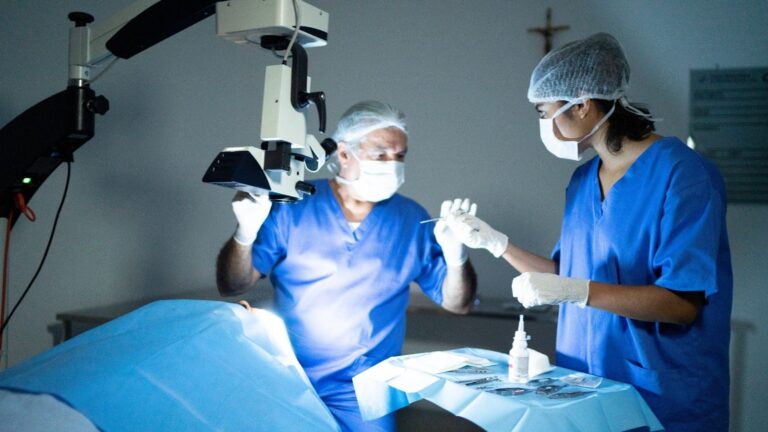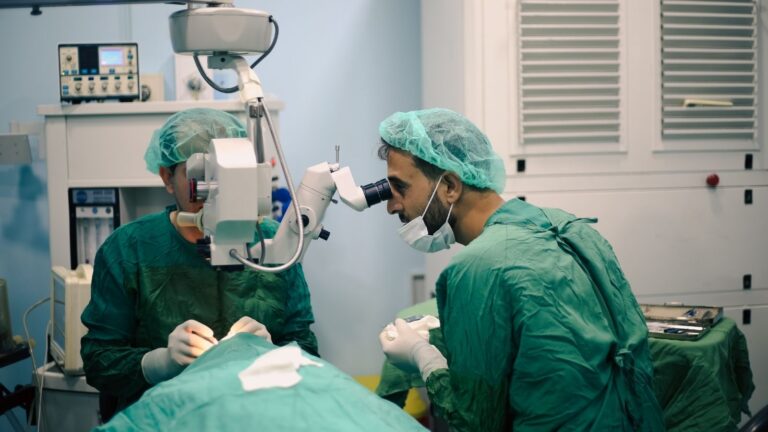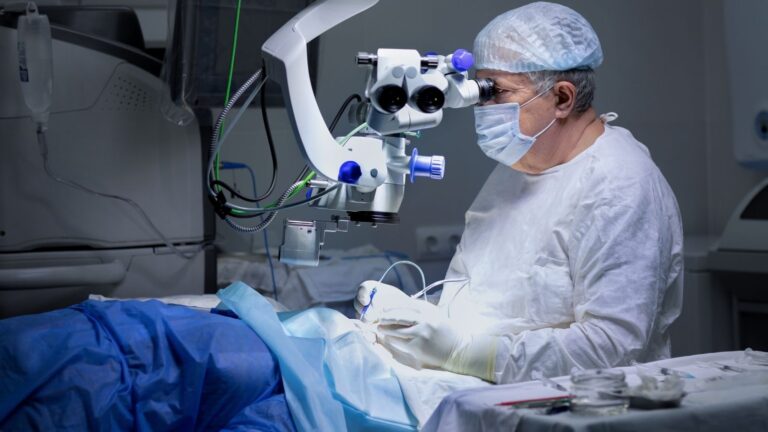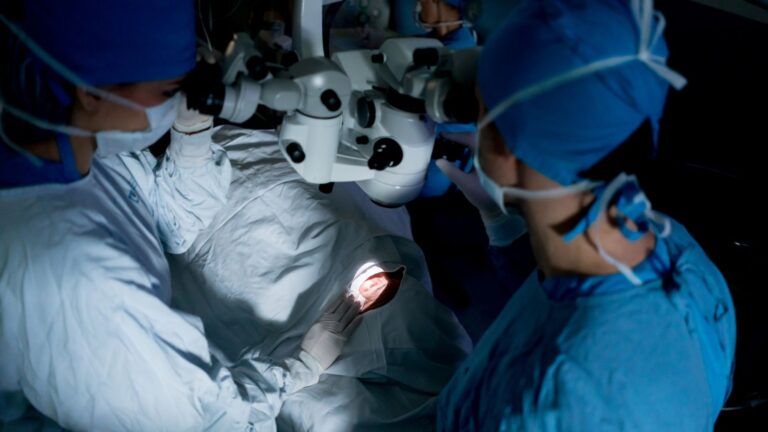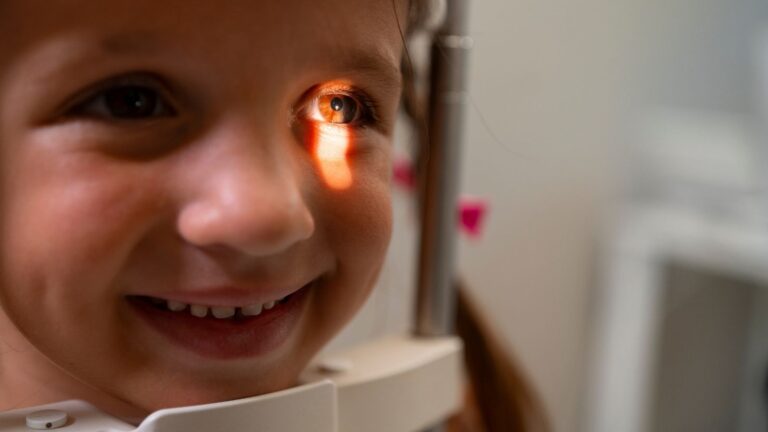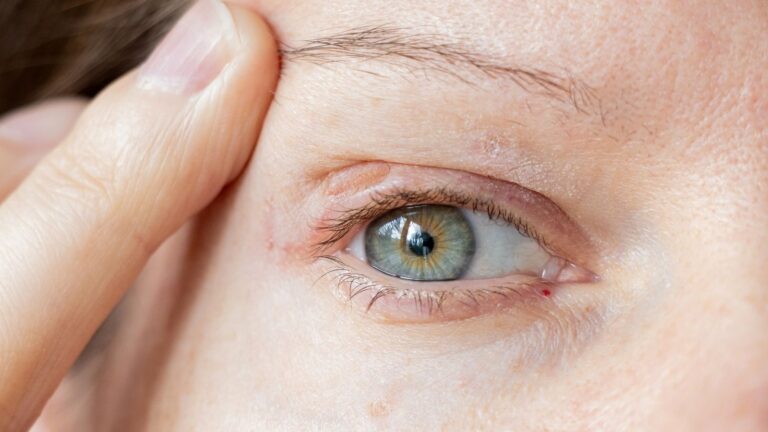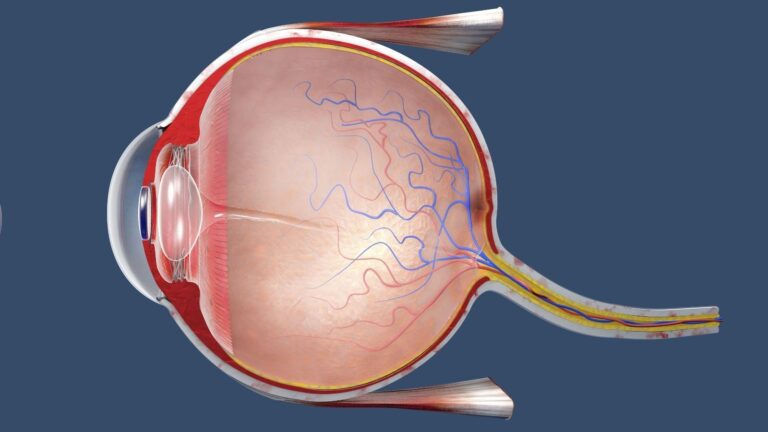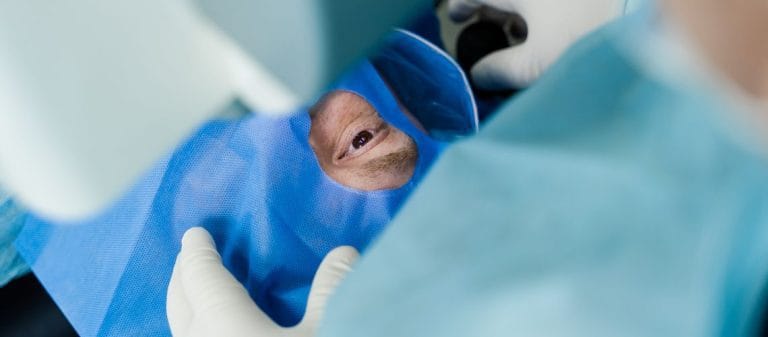
Recovery after smart lens surgery is usually fast. Blurred vision and light sensitivity may occur during the first few days. However, visual acuity improves within a few days, and the patient can return to daily activities.
Regular use of eye drops during the first few weeks reduces the risk of infection and accelerates healing. During this period, it is very important to avoid rubbing the eyes and to follow hygiene rules.
Complete visual adaptation may take several weeks. Fluctuations in near and distance vision are normal. As the brain adapts to the new lenses, the quality of vision gradually improves.
In the long term, smart lenses provide the possibility of seeing without glasses at both near and far distances. Regular follow-up examinations play a critical role in achieving lasting and healthy vision.
The precautions patients should take during the postoperative period are very important for ensuring a smooth recovery and preventing complications. To protect eye health and support the success of the surgery, the following points should be observed:
- Use antibiotic and steroid eye drops regularly.
- Keep the eye clean and dry and avoid rubbing it.
- Avoid activities such as heavy lifting, bending over, and strenuous exercise.
- Use protective glasses or an eye patch while sleeping.
- Wear sunglasses during the day to protect the eyes from bright light and dust.
- Avoid swimming, saunas, steam baths, and other activities involving contact with water.
- Prevent water from entering the eye while showering.
- Attend all scheduled follow-up appointments.
- Monitor symptoms such as severe pain or sudden vision loss.
Carefully following all instructions provided after surgery accelerates the healing process. Patients are also advised to avoid environmental factors that may cause irritation, such as cigarette smoke and air pollution. While maintaining eye hygiene, they should avoid allowing any non-sterile substance to come into contact with the area around the eyes. It is also important to avoid wearing makeup or contact lenses for the period recommended by the physician. In case of any concern, contacting the physician and receiving professional support contributes to the healthy completion of the recovery process.
Some side effects or complications may occur during recovery after smart lens surgery. These conditions are generally temporary and treatable, but they may rarely lead to permanent problems. Possible conditions that may occur after surgery include:
- Photic phenomena
- Reduced contrast sensitivity
- Dry eyes
- Risk of infection
- Retinal detachment
- Macular edema
- Increased intraocular pressure
- Secondary cataract
- Lens displacement
Despite these possible postoperative conditions, smart lens surgery is generally considered a safe procedure. Attending regular medical checkups and following the recommended treatment plan are very important for preventing side effects or complications. Maintaining eye hygiene and using the prescribed medications correctly during recovery also help minimize potential risks.
The time required for vision to become fully clear after surgery depends on the patient's individual rate of recovery and the eye's response. This process usually ranges from a few days to one week. For some patients, it may take several weeks. Even if clear vision is achieved immediately after surgery, the time required for the eyes to adapt fully may vary from person to person:
- Time required for visual clarity to stabilize: a few days
- Full recovery time: one week
- In some cases: several weeks
Regular use of the eye drops recommended by the physician and attention to eye hygiene are very important for protecting eye health and accelerating recovery during the postoperative period. Temporary blurred vision, stinging, and dry eyes may also occur after surgery, but these symptoms generally improve within a short time. Avoiding strenuous activities and attending regular medical checkups during recovery contribute to a successful outcome. Long-term visual comfort may be achieved with appropriate care and patience following smart lens surgery.
To accelerate recovery after smart lens surgery, it is very important for the patient to carefully follow the physician's recommendations. Various precautions can be taken to support healing and prevent possible complications:
- Use eye drops regularly.
- Pay attention to eye hygiene.
- Avoid strenuous physical activities.
- Avoid swimming and water activities.
- Wear sunglasses to protect the eyes.
- Attend regular follow-up appointments.
- Adopt a healthy lifestyle.
In addition, the patient should make sure to rest and contact the surgeon when necessary to protect eye health. If any abnormal condition is noticed in the eyes, an ophthalmologist should be consulted without delay for early intervention. General health measures such as a balanced diet and adequate fluid intake also contribute to recovery during the postoperative period. Avoiding prolonged screen use is also recommended to prevent eye strain.
Patients can usually return to their daily activities within a few days after smart lens surgery. However, certain precautions should be taken to support recovery and prevent possible complications. During the first week after surgery, the following should be observed:
- Avoid strenuous physical activities
- Prevent the eyes from coming into contact with water
- Avoid dusty and dirty environments
- Avoid driving
- Do not swim or use saunas or steam baths
Burning, stinging, or watering of the eyes may occur during the first few days after surgery. These symptoms are temporary and disappear within a few days. Avoiding movements that increase intraocular pressure accelerates the recovery process. Driving is safe once visual clarity has been achieved and the physician has given approval. It is important not to miss follow-up appointments during this period. The stated recommendations should be followed to minimize the risk of infection and support a rapid recovery.