Contents:
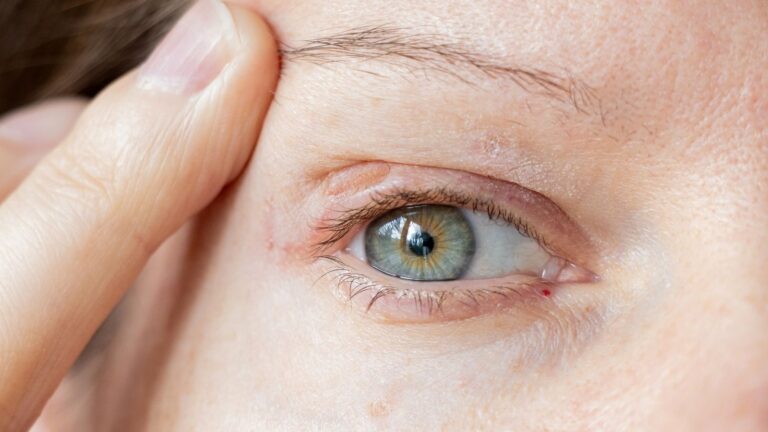
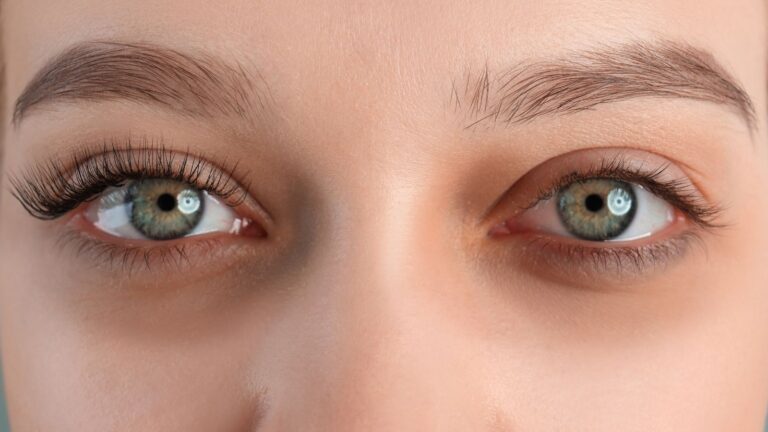
Dark circles under the eyes occur when the skin around the lower eyelids appears darker, purple, brown or shadowed. This appearance does not always have a single cause. Thin skin, visible blood vessels, increased pigmentation and under-eye hollows are different contributing factors. Lack of sleep, allergies or frequent eye rubbing can make existing dark circles more noticeable. In some people, the problem is present from childhood or adolescence, while in others it develops with age. The appropriate method should be determined after identifying the cause of the changes around the eyes.
Dark Circles Are Not Always the Same
The answer to what causes dark circles under the eyes can vary according to their colour and the structure of the eye area. Blue or purple tones may result from blood vessels being more visible beneath thin skin. Brown tones may be associated with increased skin pigmentation. In some people, the dark appearance is not actually a change in colour but a shadow created by hollows under the eyes. These different causes may also occur together in the same person. Therefore, even if a method works for one person, the same approach should not be expected to have a similar effect on everyone.
Swelling around the eyes can also increase the dark appearance. Swelling that becomes more noticeable in the morning can create shadows beneath the lower eyelid. A high-salt diet, irregular sleep and certain allergic conditions can make this appearance more visible. However, not every instance of swelling or darkening under the eyes is necessarily a sign of a condition. During assessment, the shape of the eyelids and surrounding tissues are considered together with skin colour. This makes it possible to distinguish between pigmentation and structural shadowing.
Genetic and Age-Related Changes
Genetic characteristics may play an important role in people whose family members have a similar under-eye appearance. Some people naturally have thinner skin around the eyes. In this case, the blood vessels beneath the skin are more easily visible. The bone structure beneath the eyes and the distribution of fatty tissue also affect the appearance. When there is a genetic predisposition, changing sleep habits alone may not completely eliminate the dark circles. Expectations should therefore be determined by considering the natural structure of the eye area.
As people age, collagen levels in the skin may decrease and elasticity may be lost. Displacement or reduction of the fatty tissue beneath the eyes can make hollows more noticeable. Blood vessels may also become more visible as the skin becomes thinner. These changes can cause under-eye darkness to become more noticeable over the years. They are not expected to occur at the same age or to the same degree in every person. An appropriate assessment requires distinguishing age-related structural changes from an actual increase in pigmentation.
Allergies and Eye Rubbing
Allergy-related dark circles under the eyes may occur together with nasal congestion, itchy eyes and frequent eye rubbing. Allergic processes can contribute to increased visibility of the blood vessels around the eyes. Frequent eye rubbing can increase irritation and discolouration of the sensitive skin. The appearance around the eyelids may become more pronounced over time, particularly when allergic symptoms persist. Trying to relieve itching solely with cosmetic products does not resolve the underlying problem. Assessing findings affecting both the eyes and eyelids helps determine the appropriate approach.
Make-up products or skincare creams used around the eyes can also cause irritation in some people. If redness, itching, flaking or burning is present, the possibility of a contact allergy should be considered. Products containing strong fragrances may increase discomfort in people with sensitive skin. Steroid creams should not be applied to the eyelids without medical guidance. When used without supervision, these products can cause thinning of the skin and certain eye problems. Continuing to change products without identifying the cause of the symptoms may prolong the irritation.
Lack of Sleep and Daily Habits
Irregular sleep can make existing darkness around the eyes appear more noticeable. Paler skin when tired may make the blood vessels easier to see. Prolonged screen use can also tire the eyes and increase the habit of rubbing them. Smoking can negatively affect skin structure and circulation. Inadequate fluid intake or an irregular diet may contribute to a duller appearance around the eyes in some people. However, correcting these factors does not mean that genetic or structural dark circles will disappear completely.
Improving sleep habits and resting the eyes during the day may provide support. Slightly elevating the head while sleeping may help reduce morning swelling in some people. Balancing salt intake may also be beneficial for people who experience fluid retention. Drinking water regularly is important for general health, but it does not treat dark circles under the eyes on its own. The effects of these measures vary depending on the cause of the dark circles. Adjusting daily habits may be most meaningful in cases associated with fatigue and temporary swelling.
Simple Measures That Can Be Used at Home
The answer to how to reduce dark circles under the eyes primarily depends on whether the dark appearance is temporary or structural. Applying a cold compress for a short time may temporarily constrict the blood vessels and help reduce swelling. A clean cloth should be used during application, and ice should not be placed directly on the skin. Excessive pressure should not be applied to the eyelid. The effects of cold application are temporary and do not eliminate increased pigmentation or under-eye hollows. The application should be stopped if sensitivity or discomfort develops.
Methods involving cucumber, potato or tea bags are frequently used at home. Any relief experienced from these applications is generally associated with their cooling effect. However, there is no strong evidence that they permanently reduce dark circles under the eyes. Foods or herbal products applied around the eyes may create a risk of irritation, allergy or microbial contamination. Direct contact between these products and the eye can lead to unwanted effects. A controlled cold application using a clean cloth may therefore be a more appropriate option.
Skincare and Sun Protection
Moisturisers specifically formulated for the eye area can help the skin appear more balanced and healthy. Fine lines and dark areas may become more noticeable when the skin has lost moisture. Products containing vitamin C or other ingredients may support a more even-looking skin tone in some people. However, these products should not be expected to have the same effect on every type of dark circle. Products that cause burning or redness should not be used, particularly on sensitive skin. Suitability for use around the eyes and individual skin characteristics should be considered when selecting a product.
Sunlight can make under-eye darkness more noticeable in people prone to increased pigmentation. Wearing suitable sunglasses contributes to protecting the eye area. Sunscreen products suitable for use around the eyes may also be considered when necessary. However, it is important to prevent the product from entering the eyes or causing irritation. Regular sun protection may be supportive, particularly for brown pigmentation changes. Its effect may be limited when the shadowing is caused by structural hollows.
The Appearance Provided by Cosmetic Products
Concealers can temporarily make under-eye darkness less noticeable. Colour-correcting products can create a more balanced appearance when selected according to purple or brown undertones. However, cosmetic products do not change the underlying cause. Applying products too heavily can make fine lines and dry skin appear more noticeable. Cosmetic products should be used individually, and attention should be paid to their expiry dates. Gently removing make-up from the eye area at the end of the day also helps protect skin health.
When Are Medical Procedures Considered?
When pronounced dark circles persist despite daily measures, different procedures may be considered according to the structure of the eye area. Laser procedures or controlled skin resurfacing methods may be assessed for some people with increased pigmentation. Under-eye fillers may be considered for people with pronounced under-eye hollows, depending on their suitability. However, fillers are not suitable for every type of pigmentation or every person with significant under-eye swelling. The method should be selected by considering skin thickness, eyelid structure and existing eye conditions. No procedure can be said to provide the same outcome for every patient or completely eliminate the dark appearance.
The eye area is sensitive because of its blood vessels and thin tissues. Laser treatments, chemical peels, fillers and similar procedures can carry risks such as irritation, swelling, infection and discolouration. In rare cases, filler procedures can cause serious complications such as vascular occlusion and severe visual problems. The potential benefits and risks should therefore be assessed in detail before the procedure. The effects of methods such as mesotherapy or PRP may also vary depending on the person and the reason for treatment. A procedure should not be selected solely because it produced a positive result for someone else.
Iron Deficiency and Other Findings
Dark circles under the eyes may sometimes occur together with fatigue, paleness or other general health complaints. In such cases, possibilities such as iron deficiency may need to be assessed. However, anaemia or another systemic condition cannot be diagnosed solely by looking at under-eye darkness. Vitamin or iron supplements should not be started before a need has been established. The necessary examinations are planned according to the person's symptoms and general health. If an underlying problem is detected, the appearance around the eyes is assessed together with that condition.
A more careful examination may be required if the under-eye darkness appears suddenly or rapidly becomes pronounced on only one side. If it is accompanied by pain, significant swelling, redness, fever or changes in vision, it should not be regarded solely as a cosmetic issue. The condition of the eye and surrounding tissues should also be examined when bruising develops after trauma. When dark circles have persisted for a long time without an identifiable cause, the eyelid structure, skin characteristics and accompanying symptoms are considered together. The most appropriate approach is planned according to the person's needs after the cause of the problem has been identified. You can contact me using the contact details on my website to arrange an examination appointment.