Contents:
A healthy eye prescription cannot be assessed solely by looking at the spectacle prescription. In an eye without a refractive error, light focuses on the correct point on the retina, and the measurement may theoretically be 0.00 dioptres. However, mild myopia, hyperopia or astigmatism does not necessarily mean that the eye is unhealthy. Low prescriptions may cause no symptoms in some people, while they may cause eye strain in others. Visual acuity, the person's age and their daily visual needs should also be included in the assessment. Whether an eye prescription is considered normal is therefore determined according to individual examination findings.
What Does an Eye Prescription Mean?
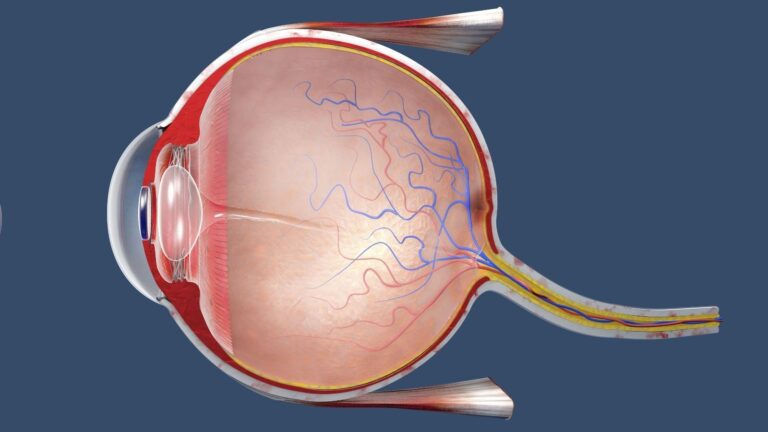
An eye prescription refers to the optical correction required for the eye to focus light clearly on the retina. This measurement is expressed in a unit called the dioptre. Myopia occurs when light focuses in front of the retina, while hyperopia occurs when light tends to focus behind it. Astigmatism may develop when the cornea or the natural lens does not have equal refractive power in different directions. These values are assessed together when preparing a spectacle or contact lens prescription. The measured prescription alone does not indicate the overall health of the eye.
What Should a Healthy Eye Prescription Be?
In eyes without a refractive error, the value measured for distance vision may be 0.00 dioptres. This means that light focuses on the retina without requiring additional spectacle correction. However, low values such as 0.25 or 0.50 dioptres do not always cause a noticeable vision problem. Some people can comfortably continue their daily lives with these prescriptions. Others may experience fatigue during prolonged reading, driving or screen work. The need for glasses is determined not only according to the numerical value but also according to visual acuity and symptoms.
Different eye diseases may also be present in an eye with a zero prescription. Dry eye, retinal problems or elevated intraocular pressure, for example, may develop independently of a refractive error. Similarly, the cornea, retina and optic nerve of a person who wears glasses may be completely healthy. Eye prescription and eye health are therefore not the same concepts. The value considered normal may vary according to the person's age and eye structure. A comprehensive eye examination also allows structural features beyond the prescription to be assessed.
What Do Different Degrees of Myopia Mean?
Myopia is associated with light focusing in front of the retina rather than on it. Distant objects may therefore appear blurred. Myopia values are shown with a minus sign on a spectacle prescription. As the prescription increases, blurred distance vision may become more noticeable. However, visual comfort depends not only on the numerical value but also on the person's daily needs. The thresholds used to grade myopia may vary slightly according to the clinical approach.
Myopia can generally be classified as follows:
- Low myopia: Values between approximately -0.25 D and -3.00 D.
- Moderate myopia: Values between approximately -3.00 D and -6.00 D.
- High myopia: -6.00 D and more negative values.
High myopia does not simply mean that stronger glasses are required. In some patients, the retina should be examined in greater detail because of the structural characteristics of the eyeball. An examination should not be delayed if there is a sudden increase in floaters, flashes of light or a curtain-like sensation in the field of vision. People with low myopia may feel comfortable without glasses during certain activities. However, correction may be required when driving, following lessons or focusing on distant objects. The need for glasses or contact lenses is determined according to the examination findings.
How Are Degrees of Hyperopia Assessed?
Hyperopia is a refractive error in which light tends to focus behind the retina. It is represented by a plus sign on a spectacle prescription. Young people with low hyperopia may be able to see clearly for a certain period due to the focusing ability of the natural lens. However, this compensatory mechanism may cause eye strain or headaches. As the prescription increases, distance vision may also be affected in addition to near vision. The person's age is particularly important when assessing hyperopia.
Hyperopia can generally be grouped as follows:
- Low hyperopia: Values between approximately +0.25 D and +2.00 D.
- Moderate hyperopia: Values between approximately +2.00 D and +5.00 D.
- High hyperopia: Values of +5.00 D and above.
Mild hyperopia in children may sometimes be part of natural eye development. However, high prescriptions or a significant difference between the two eyes should be assessed more carefully. Hyperopia may be associated with strabismus or amblyopia in some children. The need for glasses is therefore not determined solely according to the size of the prescription. How the eyes work together and the development of vision are also examined. When necessary, the actual refractive error is assessed by taking measurements after applying eye drops.
How Is the Degree of Astigmatism Interpreted?
Astigmatism occurs when the cornea or natural lens cannot refract light equally in different directions. This may cause blurred or shadowed vision at both near and far distances. It is generally shown on a spectacle prescription with a cylinder value and axis information. The cylinder value indicates the amount of astigmatism in dioptres. The axis indicates the direction in which the correction should be applied and is written as an angle. Whether the cylinder value is shown as a plus or minus depends on the prescription method used.
Low levels of astigmatism may not cause noticeable symptoms in some people. However, prolonged screen use or detailed work may cause eye strain. At higher values, shadowed images and difficulty focusing may occur. Significant astigmatism in children may affect visual development. The need for glasses is therefore assessed not only according to the measurement result but also together with visual acuity. Regular examinations allow changes in the degree of astigmatism to be monitored.
Eye Prescription and Visual Acuity
Eye prescription and visual acuity do not mean the same thing. Eye prescription indicates the optical correction required for light to focus correctly. Visual acuity describes how clearly a person can distinguish details. Values such as 10/10 or 20/20 indicate visual acuity. Even a person with a high spectacle prescription may achieve 10/10 vision with appropriate correction. Conversely, a person with a zero prescription may have reduced visual acuity because of a retinal or corneal disease.
Both uncorrected vision and the level of vision achieved with appropriate correction may be assessed during the examination. Automated measurement devices provide preliminary information about the spectacle prescription. However, the final prescription is generally determined together with the patient's visual responses and other examination findings. Measurements using eye drops may be required in children because of the eye's focusing ability. Different prescriptions between the two eyes should also be assessed separately. It is therefore not appropriate to make a definitive judgement about visual quality solely by looking at the numbers on the prescription.
Eye Prescriptions in Children
The structure of a child's eyes continues to change during growth. Mild hyperopia may be part of the natural development process at certain ages. However, high refractive errors or a significant difference between the two eyes may affect visual development. Children may not always notice or be able to express that their vision is blurred. Squinting, tilting the head and moving too close to objects may be signs of a vision problem. Regular examinations help conditions such as amblyopia and strabismus to be assessed at an early stage.
Whether a child needs glasses is determined according to their age, visual acuity and how well the eyes work together. Glasses are not necessarily required for every low prescription. However, significant hyperopia, astigmatism or myopia may require correction in some children. Assessment becomes more important when strabismus or different levels of vision between the two eyes are present. Treatment is planned not only according to current symptoms but also according to future visual development. The frequency of follow-up examinations is determined according to the child's age and examination findings.
Age-Related Changes in Near Vision
Presbyopia is the loss of flexibility in the natural lens when focusing at near distances as age advances. It is generally noticed as difficulty seeing at reading distance after middle age. The person may feel the need to hold text further away or use brighter lighting. Reading glasses may be required even if the distance prescription is zero. This does not necessarily mean that a new refractive error has developed for distance vision. The amount of near vision support required is determined according to age and individual visual needs.
Can Low Prescriptions Cause Symptoms?
Low levels of myopia, hyperopia or astigmatism may not cause a noticeable problem in some people. However, eye strain may develop during prolonged reading, computer use or driving. Headaches, difficulty focusing and temporary blurring may also occur. These symptoms are not always caused solely by the eye prescription. Dry eye, focusing problems and the way the eye muscles work together may cause similar symptoms. The need for glasses is assessed by considering the person's symptoms and visual needs in addition to the prescription.
How Can Eye Health Be Protected?
Protecting eye health is not limited to trying to prevent changes in the spectacle prescription. Regular eye examinations allow structures such as the retina and cornea, as well as intraocular pressure, to be assessed. For people who use screens for extended periods, taking regular breaks and remembering to blink may support eye comfort. Wearing suitable sunglasses may help protect the eyes from ultraviolet rays. Children spending time outdoors may be considered beneficial for general eye health. However, changes to diet or screen habits do not necessarily prevent every refractive error from progressing.
When Is an Eye Examination Needed?
Assessment should not be delayed if there is a sudden change in vision, double vision or flashes of light. Eye pain, marked sensitivity to light and a shadow in the field of vision are also important. In people with frequent headaches or difficulty focusing, the eye prescription and ocular surface should be examined together. Squinting, difficulty during lessons or strabismus in children may require an examination. Whether an eye prescription is normal should be assessed together with the person's age, visual acuity and overall eye health. You can contact me using the contact details on my website to arrange an examination appointment.