
Contents:
The effects of diabetes on the eyes may occur when persistently high blood sugar levels damage the blood vessels and other structures within the eye. Diabetes particularly causes structural changes in the small blood vessels that supply the retina. These changes may appear as vascular leakage, bleeding and impaired oxygen supply. The risk of developing cataracts and certain types of glaucoma may also increase. The disease may progress during its early stages without causing noticeable vision problems. Regular eye examinations are therefore an important part of diabetes monitoring.
How Does Diabetes Affect the Eyes?
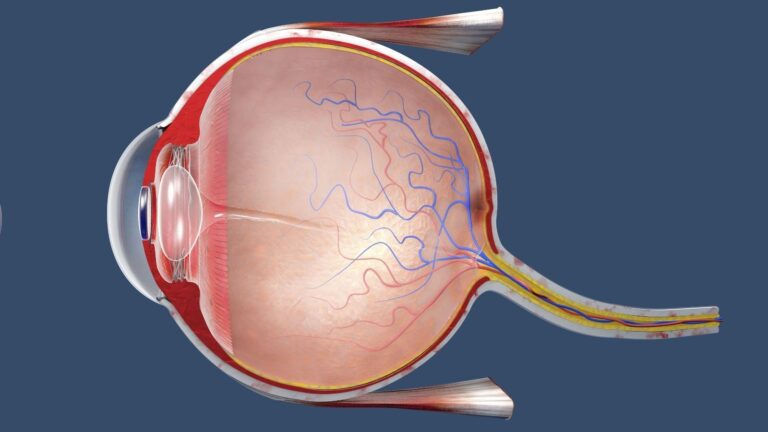
Diabetes is a condition associated with blood sugar levels remaining high for an extended period. High glucose levels may affect the walls of small blood vessels over time. The retina is a tissue that requires a regular blood supply to maintain its visual function. When the retinal blood vessels are damaged, fluid leakage, small haemorrhages or vascular occlusions may develop. In some patients, the natural lens and optic nerve may also be affected by changes associated with diabetes. The severity of the condition varies depending on the duration of diabetes, blood sugar control and accompanying medical conditions.
What Is Diabetic Retinopathy?
Diabetic retinopathy is an eye disease caused by damage to the retinal blood vessels resulting from diabetes. During the early stages, small bulges in the blood vessel walls, leakage and limited haemorrhages may occur. Patients may believe that their vision is normal during this stage. As the disease progresses, some parts of the retina may not receive sufficient oxygen. This may lead to the formation of abnormal blood vessels that are prone to bleeding. In advanced cases, bleeding inside the eye or traction on the retina may develop.
Diabetic retinopathy is mainly classified into non-proliferative and proliferative stages. During the non-proliferative stage, the existing retinal blood vessels show damage and leakage. During the proliferative stage, abnormal new blood vessels develop. These blood vessels may bleed into the eye and cause a sudden decrease in vision. In some patients, the formation of connective tissue may pull on the retina and increase the risk of retinal detachment. The treatment plan is determined according to the stage of the disease and whether the macula has been affected.
Symptoms of Diabetic Retinopathy
Diabetic retinopathy may not cause any symptoms initially. Symptoms may become noticeable when fluid accumulates in the macula or bleeding occurs inside the eye. Patients may notice blurred vision, difficulty focusing and moving dark spots in their field of vision. Straight lines appearing curved may suggest that the macula has been affected. A curtain or shadow in the field of vision may be associated with more advanced retinal problems. The severity of the symptoms may vary according to the stage of the disease.
The main symptoms that may occur include:
- Blurred vision.
- Dark spots in the field of vision.
- Black floaters.
- Straight lines appearing curved.
- Faded colours.
- A shadow in the field of vision.
- A sudden decrease in vision.
Macular Oedema and Central Vision
Diabetic macular oedema occurs when fluid leaking from the retinal blood vessels accumulates in the macula. The macula is responsible for functions such as reading, recognising faces and seeing fine details. When fluid accumulates in this area, central vision may become blurred. Patients may have difficulty reading text or distinguishing details on a screen. Macular oedema may develop not only in advanced stages but also at different stages of diabetic retinopathy. Imaging methods such as optical coherence tomography may be used for diagnosis and monitoring.
The Relationship Between Diabetes and Cataracts
The relationship between diabetes and cataracts is associated with changes in the structure of the natural lens. A cataract develops when the natural lens of the eye loses its transparency. Cataracts may develop at an earlier age or progress more rapidly in people with diabetes. Blurred vision, light scatter and faded colour perception are common symptoms. However, cataracts may not be the only cause of reduced vision in a person with diabetes. The retina and macula should therefore be assessed in detail before planning surgery.
Diabetes and the Risk of Glaucoma
The relationship between diabetes and glaucoma may be associated with changes affecting the optic nerve and the balance of fluid within the eye. Glaucoma is a disease that can cause progressive damage to the optic nerve. Increased intraocular pressure is an important risk factor, although not every person with glaucoma has high eye pressure. Abnormal blood vessels that develop in advanced diabetic retinopathy may make it difficult for fluid to drain from the eye in some patients. This may increase intraocular pressure and lead to optic nerve damage. Eye pressure and the optic nerve should be assessed together during regular examinations.
Who Is at Higher Risk?
The likelihood of developing eye complications may increase with the duration of diabetes. Blood sugar levels remaining uncontrolled for a long time may increase damage to the retinal blood vessels. High blood pressure, abnormal cholesterol levels and kidney disease are also important when assessing risk. Pregnancy may cause changes in existing retinal findings, particularly in women who had diabetes before becoming pregnant. Smoking may contribute to the overall risk by adversely affecting vascular health. These factors are not expected to affect every patient to the same degree.
The main conditions that may increase the risk include:
- Long-term diabetes.
- Irregular blood sugar control.
- High blood pressure.
- High cholesterol.
- Kidney disease.
- Diabetes present before pregnancy.
- Smoking.
- A previously diagnosed retinal disease.
Why Is an Eye Examination Important?
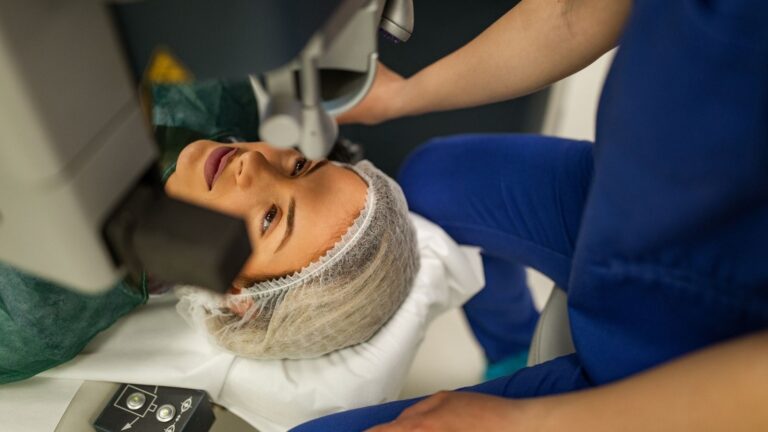
Regular examinations are important because diabetic eye diseases can progress without causing symptoms. A dilated fundus examination allows the retinal blood vessels to be assessed in detail. Examinations such as optical coherence tomography or ocular angiography may be performed when required. These methods are used to investigate macular oedema, vascular leakage and abnormal blood vessel formation. Intraocular pressure and the condition of the natural lens are also assessed during the same process. The frequency of examinations is determined according to the type and duration of diabetes and the existing eye findings.
A regular annual eye examination may be planned for many patients. More frequent monitoring may be required in cases involving retinopathy, macular oedema or pregnancy. Clear vision does not mean that there are no changes in the retinal blood vessels. The timing of the first examination and subsequent follow-up intervals should be determined according to the individual risk profile. A separate follow-up plan is arranged for patients who have undergone intravitreal injections or surgery. Regular monitoring helps treatment-requiring changes to be identified earlier.
What Are the Treatment Methods?
The treatment of eye problems caused by diabetes varies according to the affected structure and the severity of the disease. Blood sugar control and regular monitoring may be sufficient for early retinal findings. Intravitreal drug injections may be considered for some patients with macular oedema. Laser treatment or appropriate injection methods may be used when abnormal blood vessels develop. Vitrectomy surgery may be required in cases of extensive intraocular bleeding or traction on the retina. Cataract and glaucoma treatments are planned separately according to their own clinical characteristics.
The main treatment options include:
- Blood sugar and blood pressure control.
- Intravitreal drug injections.
- Retinal laser treatments.
- Intravitreal corticosteroid treatments.
- Vitrectomy surgery.
- Cataract surgery.
- Eye drops, laser treatment or surgery for glaucoma.
How Can Eye Health Be Protected?
Keeping blood sugar levels within individually determined target ranges may help reduce the risk of diabetes-related eye damage. Monitoring blood pressure and cholesterol is also important for protecting the retinal blood vessels. A balanced diet and appropriate physical activity support overall diabetes management. Avoiding smoking contributes to vascular health. Taking breaks from screens may improve eye comfort, but it is not a treatment that prevents diabetic retinopathy. Regular eye examinations are a complementary part of all these measures.
Points to consider in daily life include:
- Continuing to monitor blood sugar.
- Controlling blood pressure and cholesterol.
- Following diabetes treatment regularly.
- Following an individually appropriate nutrition plan.
- Engaging in regular physical activity.
- Avoiding smoking.
- Attending regular eye examinations.
When Is Urgent Assessment Required?
A sudden decrease in vision, numerous floaters or a curtain-like sensation in the field of vision may require urgent assessment. These symptoms may be associated with intraocular bleeding, a retinal tear or retinal detachment. Newly developed double vision should also be assessed for conditions that may not be limited to the eyes. If eye pain, significant redness or flashes of light occur, the scheduled follow-up appointment should not be awaited. As the effects of diabetes on the eyes vary between patients, follow-up should be planned according to individual findings. You can contact me using the contact details on my website to arrange an examination or follow-up appointment.