
Contents:
Experiences of patients who have undergone crosslink surgery can provide insight into the day of the procedure, recovery time and changes in vision before keratoconus treatment. This method, also known as crosslink, kroslink or cross-linking, is performed to increase the strength of the corneal tissue. It is particularly considered in cases of progressive keratoconus. Stinging, sensitivity to light and temporary blurred vision after the procedure may not occur at the same level in every patient. Expecting a rapid or significant improvement in visual acuity does not correspond with the primary purpose of the treatment. Patient experiences should therefore be assessed within the context of individual examination findings and realistic expectations.
The First Question Highlighted in Patient Experiences
The issue people considering crosslinking are most curious about is whether the procedure is truly necessary. Being diagnosed with keratoconus does not mean that every patient will immediately undergo cross-linking. In some people, the corneal structure may remain similar for a long time. In others, the condition may progress more rapidly, particularly at a young age. The progression of keratoconus is assessed by comparing corneal maps with previous examination results. The decision to perform the procedure should be based on the patient's own corneal measurements, not online comments.
Before the procedure, corneal thickness, surface shape and visual acuity are examined in detail. Changes in the glasses prescription may also be considered during the assessment. The procedure is not planned until it has been determined whether the corneal tissue is suitable for treatment. In some cases, only regular follow-up is recommended, while intervention should not be delayed in some patients. This difference explains why people with the same condition may have different treatment experiences. Discussing the expected outcome clearly before the procedure helps make the process easier to understand.
What Happens on the Day of the Procedure?
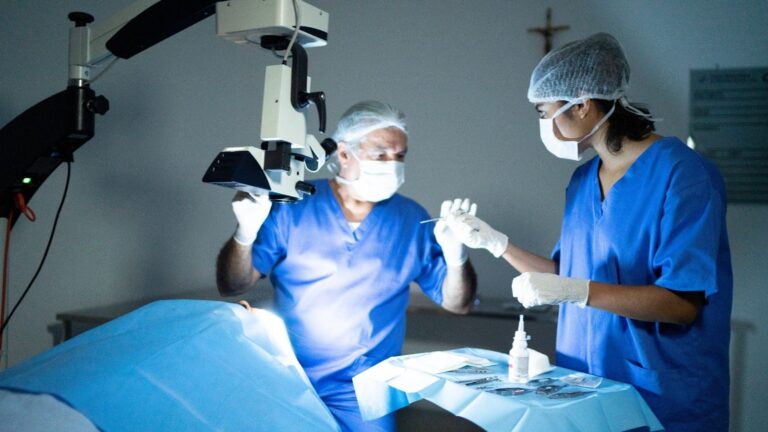
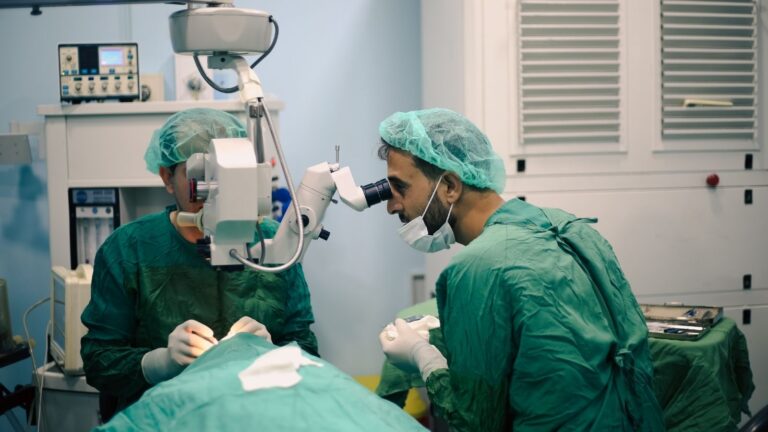
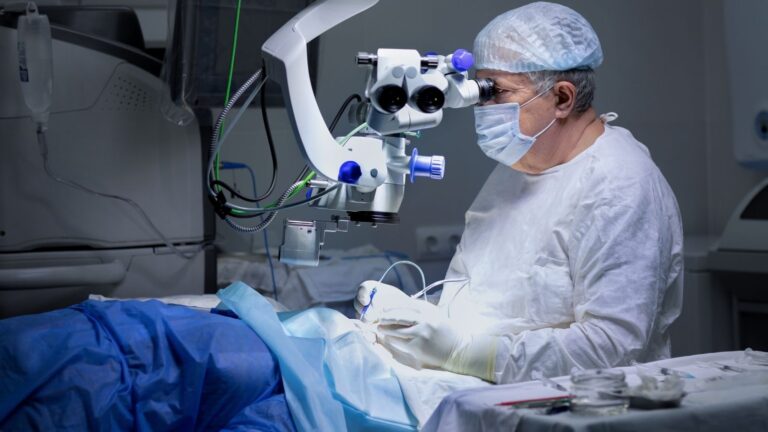
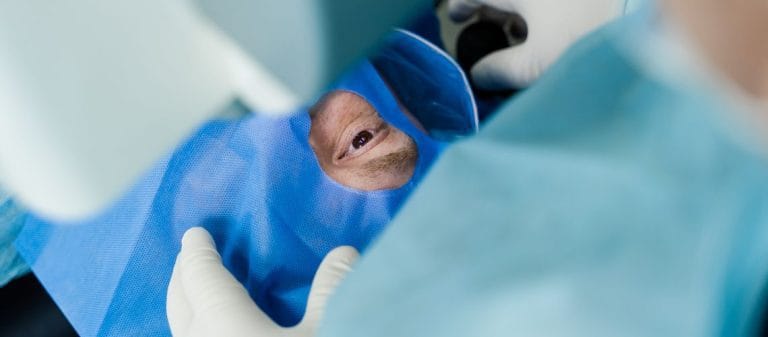
Corneal cross-linking is performed by applying a solution called riboflavin to the cornea and exposing it to controlled ultraviolet light. This treatment aims to support the strengthening of the bonds within the corneal tissue. The procedure is generally performed using drops that numb the eye. The patient may notice the light during the procedure and may experience mild pressure or discomfort at certain points. However, these sensations vary according to individual sensitivity and the method used. The duration of the procedure may also differ depending on the protocol used.
With some methods, the epithelium, which is the outermost layer of the cornea, is removed in a controlled manner. Other procedures may use a different approach in which the epithelium is preserved. The recovery process and procedural characteristics of these two methods are not the same. The appropriate method is determined according to corneal thickness, the stage of the condition and other examination findings. Crosslinking is not the same procedure as laser vision correction. The fact that it is a treatment intended to control disease progression is an important distinction when assessing the procedure.
Symptoms Expected During the First Few Days
Stinging, watering, sensitivity to light and a foreign-body sensation in the eye may occur during the first few days after the procedure. Discomfort may be more pronounced in some patients, particularly when the epithelium has been removed. It cannot be guaranteed in advance that symptoms will be mild or short-lived. A temporary bandage contact lens may be used to support healing of the corneal surface. Regular use of the prescribed eye drops is important for ensuring that the recovery process progresses in a controlled manner. The eyes should not be rubbed, and the recommended follow-up appointments should be attended on time.
The recovery process after crosslinking varies according to the structure of the person's ocular surface and the method used. Some people may return to their daily activities within a few days, while others may feel the need to rest for longer. The plan for returning to daily life may differ for people who work in dusty environments or use screens extensively. Suitable sunglasses may provide relief for patients who experience sensitivity to sunlight. Individual recovery should be considered when deciding when to resume eye make-up, swimming and contact lens use. Another patient recovering within a few days does not mean the same process will apply to everyone.
Vision May Not Improve Immediately
Vision after crosslinking may temporarily become blurred during the first few days and weeks. This may be associated with the healing of the corneal surface and temporary changes in the tissue. Some people may also experience fluctuations in clarity throughout the day or notice that lights appear more scattered. It can take time for the corneal structure to become more stable. The primary purpose of the treatment is not to reduce the glasses prescription or provide clearer vision within a short time. Even if some people experience a degree of visual improvement, this outcome cannot be expected for every patient.
Measurements taken during the first few weeks are not expected to show the long-term outcome of the procedure on their own. The glasses prescription may change temporarily before healing of the corneal surface is complete. In some patients, mild corneal haze may cause visual recovery to take longer. Changes in vision are assessed together with corneal maps during follow-up examinations. The continued need for glasses or contact lenses does not necessarily mean that the treatment has failed. The main assessment is made by observing how the progression of the condition changes over time.
Returning to Contact Lenses and Glasses
It may not be appropriate to wear the contact lenses used before crosslinking immediately after the procedure. A specific follow-up period is required for the corneal surface to heal and for the protective contact lens to be removed. The time to resume contact lens use is determined according to the examination findings. People who use rigid, hybrid or scleral lenses may require another fitting assessment. Some patients may feel comfortable with their previous lenses after a while, while others may need new measurements. If pain, redness or sudden blurring develops while wearing contact lenses, their use should be stopped and an assessment performed.
Changes in the glasses prescription may also occur during the initial period. It may therefore be necessary to wait until the cornea becomes more stable before obtaining new glasses. The waiting period is not the same for everyone. Completely eliminating the need for glasses is not among the standard goals of crosslinking treatment. Glasses or special contact lenses may still be required to support vision. The appropriate option is determined by assessing the corneal structure and the person's daily visual needs.
Long-Term Outcomes and Follow-Up
Follow-up after crosslinking is not limited to monitoring symptoms during the first few days. Corneal thickness, curvature values and visual acuity are checked at specific intervals. The effects of the procedure are assessed using comparative measurements taken over time. For many patients, the aim is to help the corneal structure remain more stable. However, no treatment can guarantee that the condition will stop progressing in every person. In some cases, progression may continue or additional treatment options may need to be considered.
Frequent eye rubbing and uncontrolled allergic symptoms are also important during follow-up. Itching or eyelid problems should also be assessed when present. Regular examinations help determine not only the course of the condition but also the need for glasses and contact lenses. Follow-up may be scheduled at shorter intervals for younger patients. In more stable cases, the frequency of examinations may vary according to the individual situation. It is not appropriate to draw definitive conclusions from other patients' expressions of satisfaction without a long-term assessment.
Expectations and Conditions Requiring Attention
Comments about crosslinking can help provide insight into the discomfort patients experience during the first few days and their expectations regarding treatment. However, personal accounts do not indicate whether the procedure is necessary or what its outcome will be. Patients should not expect that vision will necessarily improve, the need for contact lenses will end or keratoconus will definitely stop progressing. Same-day urgent assessment is required if increasing pain, significant redness, discharge or a sudden reduction in vision develops after the procedure. An individual treatment and follow-up plan is created by assessing corneal measurements together with examination findings. If you would like information about arranging an examination and follow-up plan for crosslinking, you can contact me using the contact details on my website.