Contents:
Strabismus surgery is a surgical procedure that aims to adjust the effect or position of the eye muscles causing the eyes to look in different directions. People researching the procedure may consult experiences of patients who have undergone strabismus surgery to understand the recovery process and expected outcomes. However, the cause, time of onset and degree of strabismus, as well as visual characteristics, vary from person to person. Another person's experience therefore does not mean that surgery will produce the same result for everyone. In some patients, surgery may aim to improve eye alignment, symptoms associated with double vision or an abnormal head position. The extent of the visual, social and functional effects is determined through a detailed assessment.
Are Comments About Strabismus Surgery Reliable?
Comments from people who have undergone strabismus surgery are generally based on personal expectations and their recovery experiences. However, these accounts do not replace a medical examination or individual treatment planning. Two people with the same type of strabismus may have different eye muscles, visual development and surgical goals. Positive or negative experiences shared online may not always reflect all the clinical details. When assessing the expected outcome of surgery, the type of deviation, presence of double vision and potential for the two eyes to work together should be considered. A realistic assessment is based more on individual examination findings than on the experiences of others.
How Is Strabismus Surgery Performed?
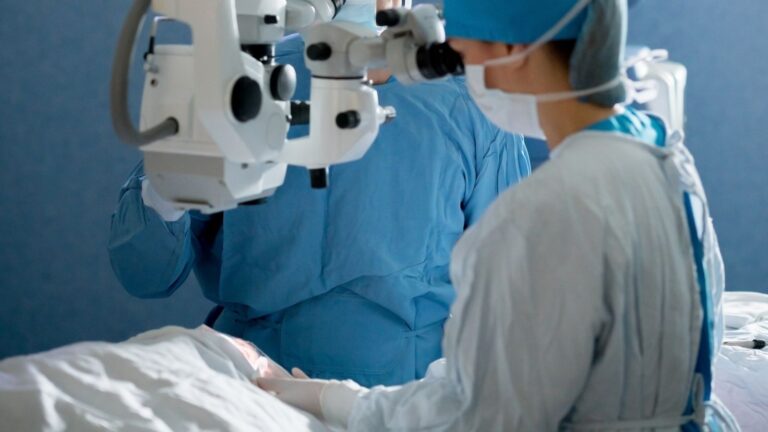
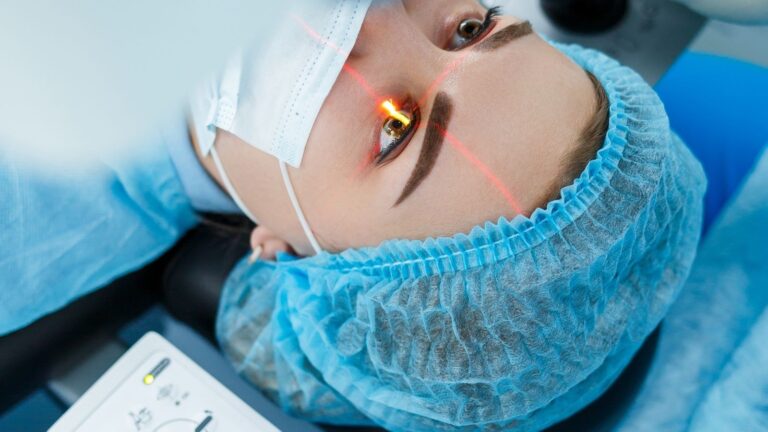
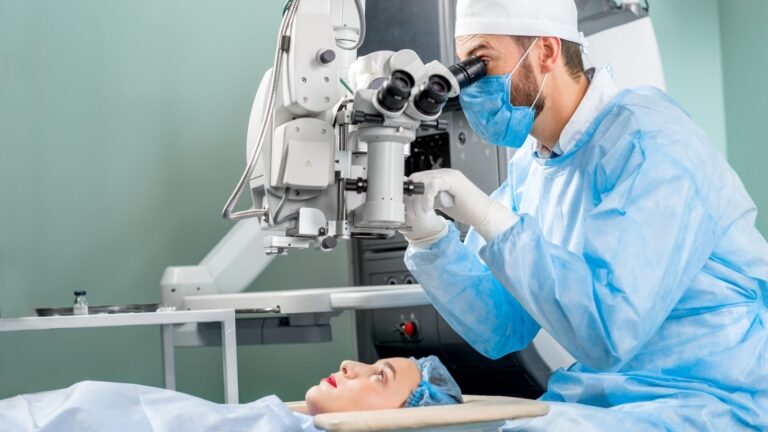
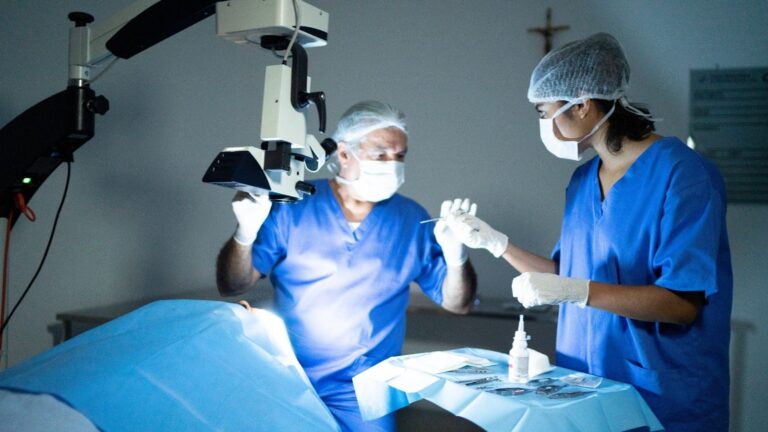
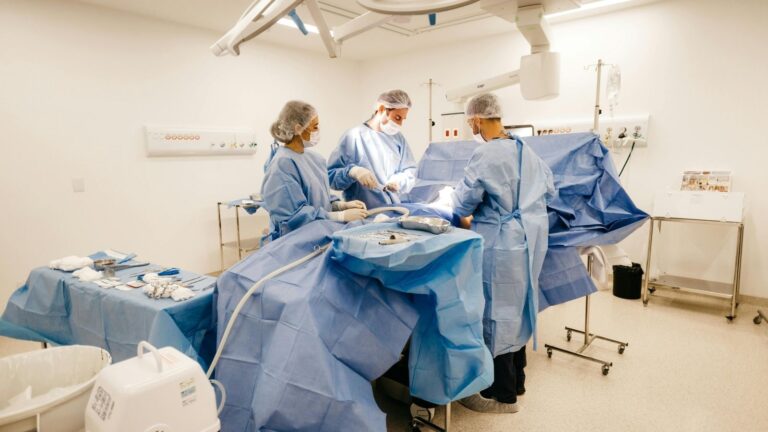
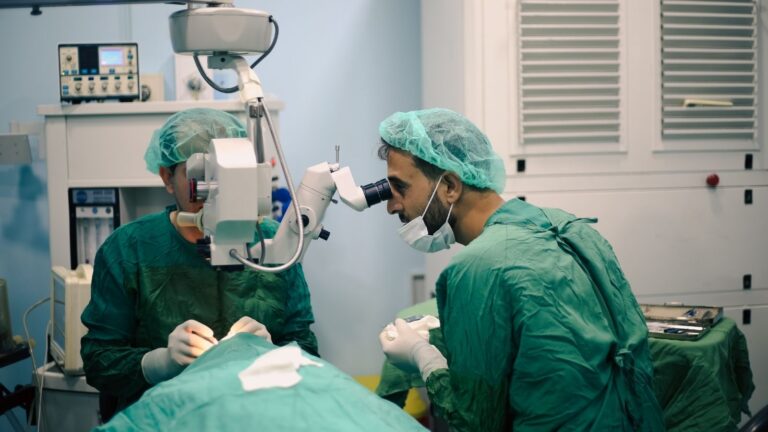
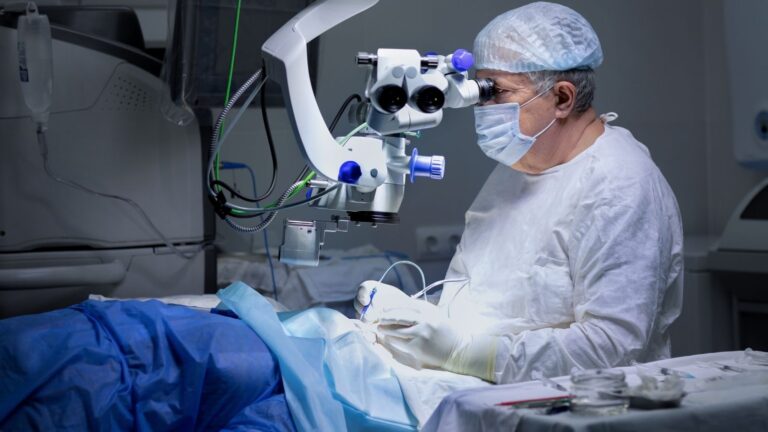
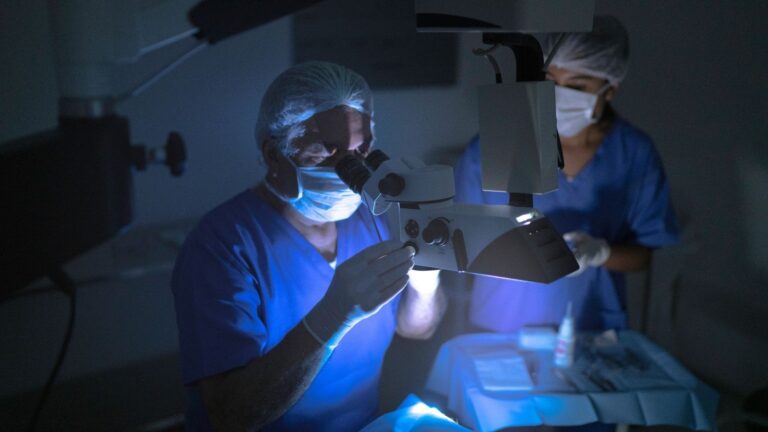
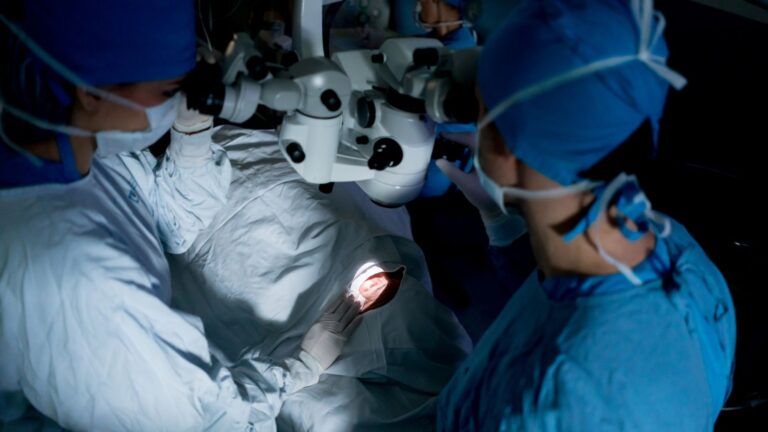
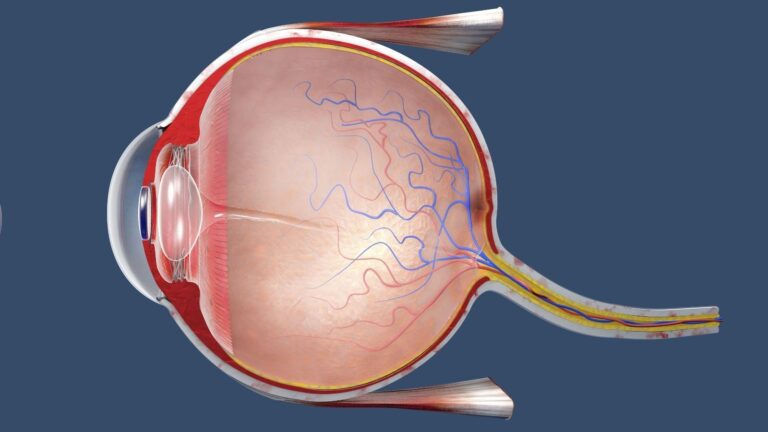
Strabismus surgery is based on altering the effect of the extraocular muscles that move the eye. When necessary, the attachment point of a muscle may be moved backwards or an adjustment may be made to increase its effect. Depending on the direction and degree of the deviation, the procedure may be performed on one or more muscles. Surgery in children is generally planned under general anaesthesia. General anaesthesia or other suitable anaesthesia options may be considered for adults. The eye and muscles to be treated are determined according to detailed strabismus measurements.
Is the Purpose of Surgery the Same for Every Patient?
The aim of strabismus surgery is not limited to changing the outward appearance of the eyes. For some people, the primary aim is to reduce double vision or make the direction of gaze more coordinated. In patients who constantly turn their head in a particular direction to see, correcting the abnormal head position may be the goal. Supporting the conditions that enable both eyes to be used together may be important in children. Social concerns related to eye contact may also be part of the assessment process in adults. The aim of surgery varies according to the person's age, the cause of the deviation and their visual potential.
Does Eye Alignment Affect Daily Life?
The position of the eyes relative to each other can affect reading, driving and perception of the surroundings in some people. Daily activities may become more tiring for patients with double vision. When an abnormal head position continues for a long time, it may contribute to neck or shoulder complaints. Improving eye alignment through surgery may aim to reduce these symptoms. However, improved depth perception or the disappearance of all symptoms cannot be expected in every patient. The outcome depends on the type of deviation and the brain's ability to combine the images received from both eyes.
Psychological and Social Effects
Strabismus may cause some people to feel self-conscious when making eye contact. A person may feel uncomfortable in social settings, when having photographs taken or during job interviews. Changes in eye alignment may help reduce these concerns in suitable patients. However, increased self-confidence and social comfort do not occur to the same degree for everyone. The psychological effects of surgery are related to the person's expectations and the effects of strabismus on daily life. Personal expectations and functional needs should be assessed in a balanced way when deciding on surgery.
Can Surgery Correct Double Vision?
Double vision can occur when the eyes cannot look at the same point and two different images are perceived. In suitable patients, strabismus surgery may aim to reduce this symptom by changing the position of the eyes. However, double vision is not always caused solely by the alignment of the eye muscles. Nerve palsies, thyroid eye disease and other neurological conditions should also be assessed. Some people may require prism glasses, monitoring or other treatments in addition to surgery. It cannot be guaranteed in advance that surgery will eliminate double vision completely.
Can Double Vision Occur After Surgery?
Double vision after strabismus surgery may occur while the eyes adapt to their new position. Combining the images may take time, particularly in people who have become accustomed to different directions of gaze over a long period. This condition is temporary in some patients and decreases during follow-up. However, reassessment is required if the symptom persists or significantly affects daily life. Prism glasses, additional measurements or other treatment options may be planned when appropriate. The possibility of permanent double vision should be assessed before surgery by considering individual risk factors.
Does Depth Perception Improve?
Depth perception is associated with the brain assessing images from both eyes together. Strabismus can weaken this function in some patients. Surgically positioning the eyes more consistently may support the combined use of both eyes in suitable people. However, changes in depth perception depend on the age at which the strabismus began and how long it has been present. The expected improvement may differ in people with long-standing amblyopia or limited binocular vision. Surgery does not mean that three-dimensional vision will develop again in every patient.
Strabismus Surgery in Children
When assessing strabismus in children, visual development is examined alongside eye alignment. The need for glasses, amblyopia and the ability to use both eyes together are important in the treatment plan. Some deviations may improve with appropriate glasses, while surgery may be required in other cases. The decision to operate is made according to the child's age, the frequency of the deviation and eye measurements. Glasses or patching treatment may continue after surgery. Families should consider visual development as well as the appearance of the eyes during the assessment process.
Can Surgery Correct Amblyopia?
Amblyopia occurs when vision in one eye does not develop sufficiently during childhood. Strabismus may accompany this condition, but surgically aligning the eyes does not eliminate amblyopia on its own. Appropriate glasses and methods such as patching may be used when necessary. Some children need to continue these treatments before or after surgery. Supporting visual development is a different treatment goal from correcting strabismus. It should therefore not be assumed that amblyopia follow-up will end after surgery.
Strabismus in Adults and Older People
Strabismus surgery is not a procedure performed only during childhood. Long-standing deviations from childhood or eye movement problems that develop later can also be assessed in adults. Older age alone does not mean that surgery cannot be performed. However, general health, anaesthesia requirements and the cause of the strabismus should be assessed individually. Newly developed deviation or double vision may require investigation for an underlying neurological cause. The decision to perform surgery should be made by considering the expected benefits and existing risks together.
The First Few Days After Surgery
Redness and mild swelling in the white part of the eye may occur after surgery. Stinging, watering and a gritty sensation may also develop. Some patients may experience temporary blurred vision or double vision. The severity of symptoms varies according to the number of muscles treated and the person's recovery characteristics. It is important to use the recommended drops regularly and avoid rubbing the eye. Increasing pain, significant discharge or rapidly decreasing vision should not be considered normal signs of recovery.
How Long Do Redness and Stinging Last?
Redness in the eye is associated with the superficial procedures performed to reach the eye muscles during surgery. The stinging sensation may be related to healing tissue and dissolving sutures. The duration of these symptoms is not the same for every patient. Redness may continue for longer in eyes that have been operated on previously or in people with significant sensitivity. Artificial tears and other treatments should only be used according to the recommended schedule. An earlier examination is required if redness progressively increases or severe pain or excessive discharge develops.
How Is the Return to Daily Life Planned?
The time required to return to work, school or daily activities varies according to the person's recovery. Reading and screen use are generally resumed gradually according to the person's comfort. Double vision and visual ability should be assessed separately before driving. Swimming, eye make-up and sports that carry a risk of eye injury may be postponed for a certain period. Resuming contact lens use also depends on the healing of the ocular surface. Every patient should not be expected to return to daily life within the same timeframe.
Can Strabismus Recur?
Eye alignment may change over time after strabismus surgery. The deviation may be undercorrected, overcorrected or recur. This may depend on the type of deviation, muscle healing and the ability of both eyes to work together. Recurrence does not mean that the first operation was performed incorrectly in every patient. However, some people may require additional glasses, prism correction or further surgery. Continuing the planned follow-up examinations is important for assessing long-term outcomes.
What Is the Adjustable Suture Technique?
The adjustable suture technique may allow an additional adjustment to the position of the eye muscle after surgery in suitable patients. This method is more commonly considered for adults who can cooperate during the procedure. After eye alignment has been checked, the position of the suture can be adjusted if necessary. Although anaesthetic drops are used during the procedure, pressure or discomfort cannot be ruled out completely. Adjustable sutures are not suitable for every type of strabismus or every patient. Using this technique does not completely eliminate the need for additional surgery.
Potential Risks of Surgery
Infection, inflammation related to the sutures or significant ocular surface sensitivity may develop after strabismus surgery. The eyes may be corrected less or more than intended. Persistent double vision or double vision developing after surgery should also be assessed. In rare cases, the eye muscle may slip from its position or damage to the wall of the eye may occur. Risks associated with anaesthesia are also assessed according to the person's age and general health. These possibilities should be considered together with the potential benefits of surgery.
Are Eye Exercises Suitable for Every Patient?
Eye exercises or orthoptic treatments may help with certain eye movement problems. They may particularly be considered for some difficulties involving the eyes working together when focusing at close distances. However, there is no approach showing that every type of strabismus can be corrected with exercises. It also cannot be said that every patient needs vision therapy after surgery. The need for exercises is determined by assessing the cause of the deviation and the characteristics of binocular vision. When they are not considered appropriate, these methods do not replace surgery or other necessary treatments.
Are Glasses Required After Surgery?
Strabismus surgery adjusts the position of the eye muscles and does not directly treat myopia, hyperopia or astigmatism. Glasses used before surgery may therefore still be required afterwards. Correcting the refractive error is particularly important in deviations that can be controlled with glasses. Glasses and patching treatment for amblyopia may continue in children. Prism glasses may be considered for some patients to reduce double vision. The need for glasses after surgery is determined according to the type of deviation and the existing refractive error.
Why Do Outcomes Vary from Person to Person?
The surgical outcome is related to the direction and degree of the deviation and how long it has been present. Amblyopia, previous surgery and accompanying nerve or muscle conditions are also important. The primary aim may be to reduce double vision in some people, while eye alignment or head position may be the priority for others. The degree of social comfort and visual coordination also differs for everyone. The assessments of others therefore do not provide an individual prediction of the outcome. You can contact me through the website for information about strabismus surgery and an assessment process suitable for you.