
Contents:
Blurred vision in one eye means that one eye perceives images as hazier, less distinct or less clear than the other. This may occur suddenly or develop gradually over time. Dryness of the ocular surface, changes in spectacle prescription and cataracts are among the common causes. Retinal diseases, blockages in the blood vessels of the eye or optic nerve problems may also cause blurred vision in one eye. How the blurring began, how long it has lasted and any accompanying symptoms are important for assessment. The exact cause is determined following a comprehensive eye examination and any necessary tests.
What Does Blurred Vision in One Eye Mean?
Seeing clearly with one eye and experiencing blurred vision with the other may indicate that the two eyes are affected differently. This difference may sometimes be caused by a long-standing refractive error. In other cases, it may be the first sign of a newly developing eye condition. The person may notice the change in the affected eye more easily after covering the unaffected eye. Whether the blurring is constant, occurs intermittently or changes after blinking is considered during assessment. Pain, redness, sensitivity to light and changes in the visual field also provide information about possible causes.
Dry Eye and Corneal Problems
Dry eye may cause temporary blurred vision in one or both eyes because of irregularities in the tear film. Prolonged screen use, contact lens wear and reduced blinking may make this condition more noticeable. Blurring caused by dryness may briefly improve after blinking. Scratches, infections and inflammatory conditions affecting the cornea may also reduce visual clarity. These problems are often accompanied by stinging, burning, redness and sensitivity to light. Blurred vision accompanied by pain and redness should be assessed without delay, particularly in contact lens users.
Do Refractive Errors Cause Blurred Vision?
Myopia, hyperopia and astigmatism may not be present to the same degree in both eyes. A greater refractive error in one eye may make unilateral blurring noticeable. A change in spectacle prescription or existing glasses no longer providing sufficient correction may cause similar symptoms. This type of blurred vision is usually painless and develops gradually. In children, a significant difference in prescription between the two eyes may affect visual development if it is not identified in time. The selection of suitable glasses or contact lenses should be planned following detailed measurements and an examination.
Can Cataracts Affect One Eye?
A cataract develops when the natural lens of the eye loses its transparency. Although cataracts may occur in both eyes, they sometimes progress more noticeably in one eye. The person may see images as hazy, perceive colours as faded or notice light scattering around light sources. Increased discomfort while driving at night is another possible symptom. Blurred vision associated with cataracts generally develops gradually rather than suddenly. The need for treatment is assessed according to the level of vision and its effect on daily life.
How Do Retinal Diseases Affect Vision?
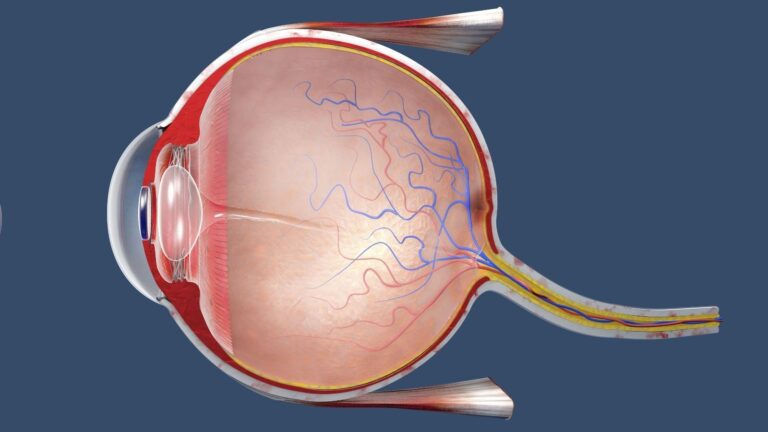
The retina is a sensitive layer at the back of the eye that enables visual information to be perceived. Conditions affecting the macula may cause straight lines to appear curved or lead to blurred central vision. Age-related macular diseases may progress slowly in some people but cause more rapid changes in vision in others. Retinal detachment may present with flashes of light, a sudden increase in floaters and a curtain or shadow in the field of vision. Retinal tears and detachment require urgent assessment to protect vision. The type of symptoms and their time of onset are important when planning treatment.
Problems Affecting the Blood Vessels of the Eye
Blockage of the blood vessels supplying the retina may cause a sudden decrease in vision or blurred vision in one eye. Diabetes, high blood pressure and vascular diseases are considered when assessing these problems. In some people, vision loss lasts only a short time and then resolves spontaneously. However, temporary improvement does not mean that the problem is unimportant. Sudden temporary vision loss in one eye may indicate a vascular problem affecting circulation to the eye or brain. Even if the symptom has resolved, urgent assessment should be performed on the same day.
Optic Nerve Problems
The optic nerve carries visual information from the eye to the brain. Inflammation, compression or circulation problems affecting this nerve may cause blurred vision in one eye. Some people describe pain that increases with eye movements. Colours appearing more faded and a loss of image contrast may also accompany the condition. Problems involving the optic nerve may require not only an eye examination but also a neurological assessment when necessary. The assessment process is determined according to the severity of the symptoms and accompanying findings.
Can Migraine Cause Blurred Vision in One Eye?
Flashes of light, zigzag lines and temporary blurred vision may occur during migraine attacks. However, migraine-related visual aura usually results from changes in the visual fields of both eyes rather than affecting only one eye. The person may initially perceive this as a problem in one eye. True temporary vision loss in one eye should not be attributed directly to migraine. Visual changes that occur for the first time or differ from the person's usual migraine symptoms should be assessed. Urgent medical attention is required if vision loss is accompanied by speech impairment, weakness or numbness.
Blurred Vision After Trauma
A blow to the eye or head may cause blurred vision in one eye. Trauma may cause corneal scratches, bleeding inside the eye or damage to the retina. Some symptoms may occur immediately after the injury, while others may become noticeable within several hours. Bruising around the eye does not necessarily mean that the internal structures of the eye are healthy. Assessment should not be delayed if pain, double vision, flashes of light or reduced vision occurs after trauma. A foreign body entering the eye or contact with a chemical substance may also require emergency treatment.
Why Is Painful Blurred Vision Important?
Blurred vision in one eye accompanied by pain and redness may suggest various eye conditions. Corneal infections, inflammation inside the eye and sudden increases in intraocular pressure are among the possible causes. Severe pain around the eye, halos around lights and nausea may be associated with a sudden increase in intraocular pressure. These symptoms should not be regarded as simple fatigue or dry eye. An examination should be performed on the same day, particularly if there is a noticeable reduction in vision. The appropriate approach is determined according to the cause of the pain and the findings inside the eye.
Which Symptoms Are Considered Urgent?
Sudden vision loss is an important warning sign that should be assessed together with blurred vision in one eye. A curtain-like sensation in the visual field, newly developed flashes of light and a sudden increase in floaters may be associated with retinal problems. Severe eye pain, significant redness and sensitivity to light may also require urgent assessment. Vision returning within a short period does not mean that a vascular cause has been ruled out. These symptoms should be considered particularly carefully in people with diabetes, high blood pressure or vascular disease. Urgent medical care should be sought on the same day if symptoms begin suddenly or worsen rapidly.
How Are Diagnosis and Treatment Planned?
The cause of blurred vision in one eye is investigated through visual acuity testing and a comprehensive eye examination. The ocular surface, cornea, natural lens, retina and optic nerve are assessed together. Intraocular pressure measurement, fundus examination and retinal imaging methods may be used when necessary. Treatment may involve correcting the spectacle prescription, controlling dry eye or treating the underlying condition. As every change in vision may have a different cause, the treatment approach should be determined individually. You can contact me using the contact details on my website to arrange a non-urgent examination or follow-up appointment.