
Contents:
Experiences of patients with pseudotumour cerebri can help provide insight into the condition's effects on daily life and the situations encountered during treatment. Pseudotumour cerebri is a condition associated with increased intracranial pressure despite the absence of a brain tumour. Today, this condition is also known as idiopathic intracranial hypertension. Headaches, temporary blurred vision and swelling of the optic nerve are among the commonly encountered findings. The course of the condition and treatment requirements vary from person to person. Therefore, although experiences shared online may provide general information, they cannot replace diagnosis and treatment decisions.
What Is Pseudotumour Cerebri?
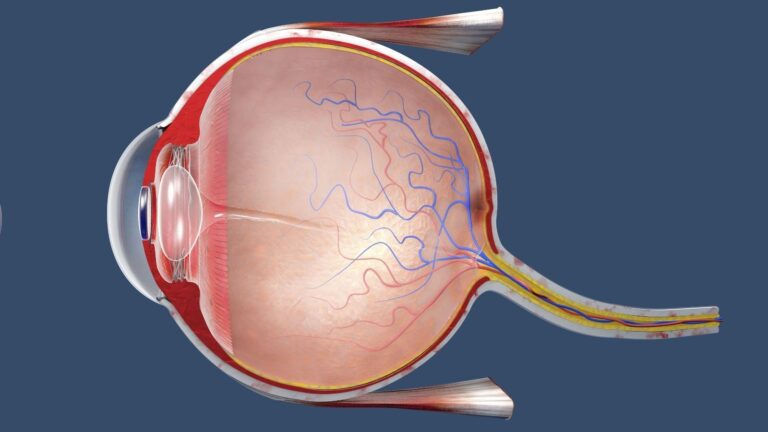
Pseudotumour cerebri is a condition in which intracranial pressure increases without the presence of a brain tumour that could explain it. The increase in pressure can cause swelling in the part of the optic nerve visible at the back of the eye. This swelling is one of the important findings detected during an eye examination. Increased intracranial pressure may manifest as headaches and visual changes in some patients. Although the condition can occur at any age, body weight and recent weight changes may be important in the assessment of some people. A definitive diagnosis is made after other conditions that could cause similar symptoms have been ruled out.
What May Patients Experience Before Diagnosis?
Before diagnosis, patients may associate persistent headaches with migraine, stress or fatigue. Symptoms that worsen over time can make it difficult to understand the cause of the problem. Some people may initially regard blurred vision as a temporary issue. The detection of optic nerve swelling during an eye examination can be an important finding in the diagnostic process. This requires investigating conditions that may cause an increase in intracranial pressure. To avoid delays in diagnosis, it is important to assess recurrent headaches together with visual changes.
What Does the Headache Feel Like?
Headache is one of the most common symptoms of pseudotumour cerebri. Its severity and location may vary from one patient to another. Some people may notice that their symptoms become worse in the morning or when bending forwards. However, not every headache is expected to have the same characteristics. The pain may be accompanied by a pulsating noise in the ear, nausea or a sensation of pressure around the eyes. Persistent pain can make it difficult to carry out work, school and daily responsibilities.
Why Are Visual Problems Important?
Pseudotumour cerebri can affect visual function due to pressure on the optic nerve. Papilloedema refers to swelling of the optic nerve head caused by increased intracranial pressure. Patients may describe brief episodes of darkened vision, blurred vision or double vision. In some people, narrowing of the visual field develops gradually and may not initially be noticed. If the increased pressure continues for a prolonged period, there is a risk of permanent optic nerve damage. Visual symptoms therefore need to be closely monitored through regular examinations and the necessary tests.
Which Tests Are Performed During Diagnosis?
The diagnostic process begins with a detailed eye examination and an assessment of the patient's symptoms. Visual field testing and optic nerve imaging can help determine the effects on vision. Brain imaging methods may be used to investigate other causes, such as a mass or vascular occlusion. When necessary, the veins of the brain may also be assessed with imaging. In suitable patients, an additional examination may be performed after imaging to measure cerebrospinal fluid pressure. The tests required are determined according to the patient's symptoms and examination findings.
What Should Be Expected from Medication?
Some patients may be given medication to help reduce intracranial pressure. Acetazolamide is one of the medications that may be considered when appropriate. However, this medication is not necessary or suitable for every patient. The dosage and duration of use are determined by considering the visual findings and the patient's general health. Regular monitoring is important because some people may experience numbness, stomach problems or other side effects. Medication should not be started, stopped or adjusted without medical guidance.
What Happens After a Lumbar Puncture?
A lumbar puncture is a procedure in which cerebrospinal fluid is taken from the lower back to measure its pressure. In suitable patients, it can provide important information during the diagnostic process. Some people may experience temporary relief from headaches after the procedure. However, the duration of this relief varies from person to person, and the procedure alone does not provide a permanent treatment for the condition. Lower back pain or a headache that becomes worse when standing may occur after a lumbar puncture. Repeated lumbar punctures should not be regarded as a routine alternative to long-term treatment.
When Is Surgery Necessary?
Surgical options may be considered in some patients whose visual function is deteriorating rapidly or whose current treatment is insufficient. The aim is to help control the pressure on the optic nerve in cases where there is a risk of vision loss. Shunt procedures that divert cerebrospinal fluid may be an option for suitable patients. In some cases, procedures involving the area around the optic nerve or other methods may also be considered. The decision to perform surgery is made by evaluating the course of the condition together with imaging findings. As every procedure has potential benefits and risks, regular monitoring must continue after surgery.
How Does the Condition Affect Daily Life?
Persistent headaches and visual symptoms can affect different areas of daily life. Some patients notice that their working hours, screen use or social activities change depending on their symptoms. Uncertainty during the diagnostic process and anxiety about vision loss can be emotionally challenging. Accurate information helps people better understand the course of the condition and their follow-up plan. Weight management may also be considered as part of the treatment plan for suitable patients. However, the extent and goals of lifestyle changes should be determined according to the person's general health.
How Should Patient Experiences Be Interpreted?
Patient experiences shared online can provide a general idea of how the condition may feel in daily life. However, each account reflects the symptoms and treatment history of the person who shared it. A medication or procedure that benefits one patient may not be suitable for another. Decisions concerning vision loss, medication and surgery should not be based on personal experiences. It should be remembered that patient comments do not replace a medical assessment or examination findings. Regular eye examinations and joint assessments by the relevant medical specialties are important for planning treatment safely.
Which Symptoms Require Urgent Assessment?
A sudden reduction in vision, rapidly worsening blurred vision or newly developed double vision should be assessed without delay. A severe headache accompanied by vomiting, altered consciousness or other neurological symptoms may also require urgent investigation. Marked narrowing of the visual field or recurring episodes of darkened vision may indicate increasing effects on the optic nerve. If these symptoms occur, the scheduled follow-up appointment should not be awaited. Regular monitoring helps detect changes in visual function at an early stage. You can contact me using the contact details on my website to arrange a non-urgent follow-up and examination appointment.