Türkçe
 Deutsch

Eye itching, a bothersome symptom experienced by many, often stems from allergic causes. The release of histamine triggered by allergens such as pollen, pet dander, or dust can lead to itching, redness, and tearing. However, other factors like dry eye syndrome, blepharitis, and infections can also be responsible. Treatment for eye itching should be tailored to the underlying cause. Alongside appropriate eye drops, artificial tears, or medications, paying attention to eye hygiene and avoiding allergens can help alleviate symptoms. Regular check-ups and informed approaches are of great importance for eye health.
| Possible Causes | – Allergies (pollen, dust, pet dander) – Dry eye – Conjunctivitis (allergic, viral, or bacterial) – Blepharitis (inflammation of the eyelid) – Contact lens irritation – Foreign body in the eye – Sensitivity to cosmetic products – Eye infections (e.g., keratitis) – Seasonal allergic rhinitis (hay fever) |
| Symptoms | – Itching sensation in and around the eye – Redness – Tearing – Light sensitivity – Swelling of the eyelid – Burning or stinging sensation in the eye – Dryness or flaking of the skin around the eye |
| Risk Factors | – Exposure to allergens – Prolonged screen use – Improper or extended contact lens use – Insufficient eye hygiene – Cigarette smoke or air pollution – Chronic conditions associated with dry eye |
| Diagnostic Methods | – Eye examination – Allergy testing – Evaluation of tear production (Schirmer test) – Microbiological analysis, if needed |
| Treatment Methods | – Antihistamine or mast cell stabilizer eye drops for allergies – Artificial tear drops for dry eye – Antibiotic or antiviral treatment for infections – Discontinuation of contact lens use if irritation is lens-related – Changing or ceasing use of cosmetic products |
| Prevention | – Avoid rubbing the eyes with dirty hands – Avoid allergens (pollen, dust) – Allow the eyes to rest and stay hydrated – Practice proper contact lens hygiene – Apply eye makeup carefully and remove it before sleeping – Use protective eyewear against wind and dry air |
What Is Eye Itching?
The medical history of eye itching (ocular pruritus) marks an important milestone in understanding allergic diseases. One of the earliest detailed medical observations was made by John Bostock in 1819, when he documented a patient whose red, itchy, and teary eyes worsened in summer, representing an early description of seasonal allergic conjunctivitis (SAC). This observation paved the way for scientific studies linking allergic reactions to environmental factors.
Over time, significant progress has been made in classifying ocular allergies and understanding their pathophysiology. The European Academy of Allergy and Clinical Immunology (EAACI) refined the diagnostic approach by distinguishing between allergic and non-allergic ocular hypersensitivity. While allergic ocular diseases include more common conditions like SAC and perennial allergic conjunctivitis (PAC) as well as more severe forms like vernal keratoconjunctivitis (VKC) and atopic keratoconjunctivitis (AKC), non-allergic forms encompass conditions like giant papillary conjunctivitis (GPC) related to mechanical irritation.
From a pathophysiological perspective, it is understood that allergens trigger the release of histamine through IgE-mediated mast cell degranulation, leading to symptoms such as itching and redness. Modern immunological studies have also clarified the roles of eosinophils and Th2 lymphocytes in these processes.
In epidemiological terms, SAC and PAC remain a significant global public health issue, affecting 15–40% of the population and impacting quality of life.
What Causes Eye Itching?
Eye itching is a symptom that can result from various underlying conditions and typically signals the presence of another problem. Allergic conjunctivitis is one of the most common causes. Exposure to environmental allergens such as pollen, dust mites, and pet dander triggers histamine release, causing itching, redness, and tearing. Allergic conjunctivitis often coexists with other atopic diseases like allergic rhinitis and asthma.
Less common but more severe causes include vernal keratoconjunctivitis (VKC) and atopic keratoconjunctivitis (AKC). VKC predominantly affects young males, whereas AKC is more common in adults with atopic dermatitis. Both can cause itching, light sensitivity, and vision problems.
Dry eye syndrome (DES) arises when the ocular surface lacks adequate moisture. This can occur due to aging, prolonged screen time, or environmental factors, and patients often describe a gritty sensation and itching.
Blepharitis, an inflammation of the eyelid margins, can develop from bacterial infections or meibomian gland dysfunction. It interferes with the tear film and exacerbates dryness and itching.
Contact lens use can also lead to eye itching, especially if lens hygiene is inadequate. Protein buildup and mechanical irritation may trigger giant papillary conjunctivitis.
Contact dermatitis, such as an allergic reaction to cosmetics or topical eye medications, can result in itchy, red, and swollen eyelids.
Lastly, viral or bacterial infections, as well as systemic diseases like atopic dermatitis and rosacea, are key causes of eye itching.
How Common Is Eye Itching?
Eye itching, medically referred to as ocular pruritus, is a widespread symptom worldwide. Prevalence varies among age groups and populations, and has been investigated through extensive global studies. In 2023, a study encompassing 50,552 participants across 20 countries found an overall prevalence of eye itching at 39.8%. This figure was higher in older individuals (43.3%), particularly among those aged 65 or above, and slightly more common in women (40.7%) than men (38.9%).
From a geographical perspective, Africa reported the highest prevalence at 45.7%. North America (41.2%), East Asia (40.2%), and the Middle East (40.2%) also showed high prevalence, whereas Europe had the lowest at 35.9%. Rates in developing countries (40.3%) exceeded those in developed regions (38.7%).
Digital eye strain, a factor of modern living, is a significant trigger for eye itching. Continuous exposure to computer screens is reported to exacerbate symptoms like itching and discomfort. A study in the United States revealed that 65% of adults experience digital eye strain, with higher rates among women.
How Does Eye Itching Develop?
Eye itching usually arises from a complex immune response on the ocular surface. In most cases, allergic reactions to environmental triggers lead to inflammation of the conjunctival tissue and the subsequent onset of symptoms.
During initial exposure to an allergen, the immune system recognizes it and triggers a series of cellular events. Antigen-presenting cells process the allergen and present it to T helper (Th) cells. These Th cells differentiate into Th2 cells, releasing cytokines like interleukin-4 (IL-4) and IL-13. These cytokines stimulate B cells to produce allergen-specific immunoglobulin E (IgE) antibodies, which bind to mast cells, “sensitizing” them. Upon re-exposure to the same allergen, mast cells undergo degranulation, releasing mediators such as histamine. Histamine binds to H1 receptors to cause itching and increases vascular permeability, resulting in redness and swelling.
A few hours later, a late-phase reaction sets in, characterized by the infiltration of inflammatory cells into the tissue. Eosinophils and neutrophils secrete pro-inflammatory mediators that perpetuate inflammation. This process, particularly in chronic cases, can damage the ocular surface and lead to persistent symptoms.
Histamine and other mediators also activate nerve fibers in the conjunctiva, provoking itching and the desire to rub the eyes, which can worsen mechanical trauma and inflammation. Conditions such as dry eye syndrome and blepharitis may further heighten ocular surface inflammation and aggravate eye itching. In these situations, tear film instability and bacterial colonization play substantial roles.
What Are the Symptoms of Eye Itching?
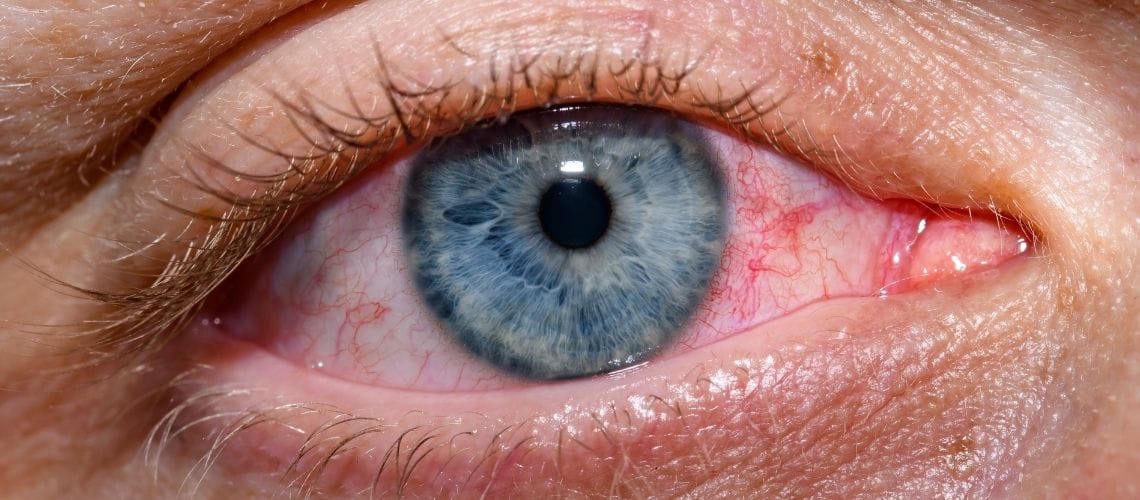
Eye itching seldom appears in isolation and typically coexists with other symptoms. One of the most frequent accompanying signs is redness (hyperemia), caused by dilation of the conjunctival blood vessels, giving the eyes a reddish appearance. Tearing (epiphora) can occur as a reflex to keep the ocular surface moist. Patients may also complain of burning or a gritty foreign-body sensation. Edema of the eyelids, signifying inflammation, can lead to tenderness.
The type of discharge can reveal details about the underlying condition. Viral or allergic reactions generally produce watery discharge, whereas bacterial infections often present with yellow-green purulent discharge that can cause the eyelids to stick together. Photophobia (light sensitivity) is another possible symptom, especially in conjunction with eye itching. In cases triggered by allergy, sneezing and nasal congestion are commonly associated.
Symptom severity may vary according to the underlying cause. Allergic conjunctivitis typically involves severe itchiness, redness, and swollen eyelids. Dry eye syndrome leads to a gritty sensation and intermittent blurred vision. Blepharitis presents with crusting and a burning sensation at the eyelid margins. Infectious conjunctivitis may be distinguished by the nature of the discharge, indicating bacterial or viral etiology. In contact lens users, discomfort when wearing lenses is a telling sign.
How Is Eye Itching Diagnosed?
Accurate diagnosis of eye itching requires a comprehensive evaluation to determine its root cause. The first step is obtaining a thorough patient history, focusing on symptom onset, duration, and potential triggers. Exposure to allergens (pollen, pet dander), recent use of cosmetics, contact lens wear, and underlying systemic diseases are assessed. Patients with asthma, allergic rhinitis, or eczema may be more susceptible to conditions like allergic conjunctivitis.
A detailed eye examination then follows, inspecting for eyelid inflammation, conjunctival redness, papillary changes, or tear film irregularities. In cases of suspected allergy, conjunctival scraping can be performed to look for eosinophils, whereas tests like tear film evaluation can help diagnose dry eye. Demodex infestation can be identified by sampling lashes if blepharitis is suspected.
How Is Eye Itching Treated?
Treatment of eye itching begins with accurately identifying the underlying cause. Allergic conjunctivitis, the most common culprit, often responds well to antihistamine eye drops or oral antihistamines. Eye drops containing ketotifen fumarate or olopatadine block histamine receptors, providing rapid relief of itching, redness, and tearing. Some formulations also include mast cell stabilizers for long-term control. Systemic antihistamines (e.g., cetirizine, loratadine) may be used if systemic allergy symptoms occur, though they can exacerbate dry eye symptoms.
When conjunctivitis is caused by infection, therapy depends on whether it is viral or bacterial in origin. Bacterial conjunctivitis may respond to antibiotic eye drops like tobramycin or erythromycin, typically leading to improvement within a few days. Viral infections resolve spontaneously in many cases, though artificial tears and good hygiene can help relieve symptoms. Severe cases may require antiviral treatment.
For eyelid diseases such as blepharitis, regular eyelid hygiene is crucial. Cleansing the lids with a warm solution of baby shampoo helps remove inflammation and debris, and warm compresses can alleviate blockages in oil glands. Severe cases might require antibiotics or corticosteroids. Where Demodex blepharitis is suspected, tea tree oil-based products may help, though you should consult an ophthalmologist to determine definitive treatment.
What Are the Complications of Eye Itching?
Though often considered a mild nuisance, untreated eye itching can lead to significant complications if the underlying causes are not properly addressed. Correctly identifying these causes and initiating prompt treatment are essential for averting adverse outcomes.
- Allergic Conjunctivitis Complications: Untreated allergic conjunctivitis can become chronic and cause ongoing discomfort. Constant itching and inflammation can damage the corneal surface, potentially leading to keratitis and even vision loss.
- Blepharitis Complications: Chronic eyelid inflammation can result in the loss of eyelashes, inward/outward lash growth, chalazia, and styes. More advanced cases may cause corneal damage and long-term vision impairment.
- Dry Eye Syndrome Complications: Persistent dryness can injure the cornea, causing ulcers and infections. The lack of moisture leaves the eye more vulnerable to infection and, in severe cases, scarring or vision loss.
- Infectious Conjunctivitis Complications: Bacterial or viral infections can progress to more serious conditions like keratitis if not treated. In rare cases, infections can spread systemically, posing significant general health risks.
When Should Treatment for Eye Itching Be Initiated?
Eye itching can arise from many etiologies, and the decision to commence treatment depends on the cause and severity of the symptoms. Starting therapy at the right time is critical for symptom relief and controlling the underlying disorder.
Allergic conjunctivitis is the most frequent cause of eye itching. If symptoms are seasonal (for example, triggered by pollen in the spring), early use of topical antihistamine or mast cell stabilizer eye drops is advised. Where exposure to allergens persists year-round, starting treatment as soon as symptoms appear is crucial. Mild itching, redness, and tearing usually respond promptly to antihistamine drops, but an eye specialist should be consulted if symptoms worsen or do not improve despite treatment.
Treatment for infections like viral or bacterial conjunctivitis should begin quickly to prevent disease spread and complications. Purulent discharge, swollen lids, and pain may point to a bacterial infection requiring broad-spectrum antibiotics. Viral infections often resolve spontaneously, but symptomatic management and good hygiene can minimize complications.
Conditions like blepharitis or meibomian gland dysfunction demand meticulous eyelid hygiene. In more severe cases, early initiation of topical or systemic antibiotics may be essential. Persistent symptoms may require consultation with a specialist to adjust the treatment plan.
When Is Eye Itching Treatment Contraindicated?
For eye itching treatments to be safe and effective, potential contraindications must be considered with care. Each patient’s unique medical history and health status mean that therapy must be individualized. Understanding when certain treatments cannot be used helps prevent adverse reactions and ensures patient safety.
Antihistamine Eye Drops and Medications:
- Allergic Reactions: Using these medications can lead to severe reactions in patients allergic to any active or inactive components.
- Contact Lens Use: Certain antihistamine eye drops contain preservatives that may irritate soft lenses. Patients might need to remove their lenses before instillation and wait a specified period prior to reinsertion.
- Preexisting Eye Diseases: In conditions such as narrow-angle glaucoma, the anticholinergic effects of antihistamines can increase intraocular pressure, requiring cautious use.
Infection Treatments:
- Incorrect Pathology: Antibiotics are ineffective against viral or fungal infections. Such misuse can worsen the condition.
- Allergies: Some patients may be allergic to specific antibiotics, risking severe reactions.
- Contact Lens Use: Wearing lenses during infection treatment can aggravate the condition or add irritation.
Eyelid Disease Treatments:
- Allergies: If the patient reacts to components of a treatment product, an alternative therapy is required.
- Active Infections: Using medications with corticosteroids in patients with viral or fungal infections can be detrimental.
- Systemic Illness: If concomitant systemic conditions are inadequately controlled during treatment, it can limit the therapy’s effectiveness.
What Is the Recovery Process for Eye Itching?
The duration and nature of recovery from eye itching vary depending on the underlying cause and treatment approach. Correct diagnosis and an appropriate strategy are key to quick and effective relief. In allergic conjunctivitis, antihistamine or mast cell stabilizer eye drops frequently deliver rapid relief, sometimes within hours to a few days. However, finishing the prescribed treatment plan and adhering to follow-up visits is necessary to prevent recurrence.
If an infection is the cause, the healing process may differ. Bacterial conjunctivitis usually responds to antibiotic eye drops or ointments; even if the patient feels better, the entire course should be completed. Viral infections, although typically self-limiting, benefit from supportive care like artificial tears and cold compresses, combined with strict hygiene measures to prevent spread.
For persistent eyelid inflammation (blepharitis), consistent eyelid hygiene is paramount. The gentle cleansing of lids using baby shampoo or over-the-counter cleansers helps control inflammation, although serious cases might warrant extended treatment and possibly antibiotics.
Severe conditions requiring surgical procedures involve careful post-op management. Over the initial days, patients may use cold compresses to reduce swelling and keep their head elevated. Refraining from heavy physical activities and observing good hygiene reduce infection risk and promote a smooth recovery. Adherence to medical advice and follow-up appointments is crucial to detect and manage potential complications quickly.
**How to Prevent Eye Itching?**
Reducing exposure to allergens is key, entailing both environmental and personal strategies. Keeping windows closed during pollen seasons and using HEPA-filtered air conditioners may reduce indoor allergens. Wearing sunglasses outdoors shields the eyes from airborne allergens like pollen and dust. Additionally, resisting the urge to rub the eyes helps minimize irritation and allergen accumulation.
Regular eyelid hygiene is important for maintaining overall eye health. Gently washing eyelids with a hypoallergenic baby shampoo or specialized cleaners can decrease the likelihood of blepharitis and irritation. Such a routine can help prevent allergic reactions and infections.
In allergic itching, eye drops containing antihistamines or mast cell stabilizers, as advised by a doctor, may offer efficient symptom relief. These drops help control both itching and inflammation; combination products provide rapid relief and sustained protection.
Eating foods rich in natural anti-inflammatory compounds like quercetin (found in apples, red onions, and dark chocolate) might reduce allergic responses. Omega-3 fatty acids and antioxidants can also support the immune system and reduce symptom severity.
In severe allergic cases, immunotherapy is an effective approach recommended by allergy specialists. This method builds tolerance to specific allergens, leading to fewer symptoms over time.
Frequent cleaning at home curtails dust mites and pet dander. HEPA-filtered devices can effectively reduce airborne allergens. In high-allergen environments, protective goggles and masks can be crucial.
Frequently Asked Questions
What natural methods can be used at home to relieve eye itching?
Applying cold compresses, using chamomile tea compresses, placing cucumber slices over the eyes, and using rose water are some home remedies that may help ease eye itching.
Could eye itching signal certain systemic diseases?
Yes, eye itching can be a symptom of systemic allergic disorders such as atopic dermatitis, allergic rhinitis, or asthma. Additionally, infections like the flu or common cold can cause itching, especially if the immune system is weakened.
How are eye itching and eye strain related?
Eye strain, brought on by prolonged screen time or reading, can lead to dry, irritated eyes that are more prone to itching.
Could eye itching indicate a serious eye condition like a corneal ulcer?
Yes, in some cases, eye itching could be associated with more severe ocular conditions such as a corneal ulcer. If there is also pain, redness, or vision changes, seeking immediate advice from an eye care professional is essential.
Can contact lens use lead to eye itching?
Yes, improper lens hygiene or extended wear can irritate the eyes and cause itching. Long-term usage or allergic reactions can worsen symptoms and lead to discomfort.
Is eye itching connected to eyelid inflammation (blepharitis)?
Yes, blepharitis, an inflammation of the eyelid margins, often causes itching.
Are environmental factors like air pollution linked to eye itching?
Absolutely. Exposure to smoke, vehicle exhaust, and strong scents can irritate the eyes, causing itching or discomfort.
Can eye itching be a sign of dry eyes?
Yes, insufficient tear film moisture can cause dryness and subsequent itching. This may result from aging, continuous screen time, or environmental influences.