Türkçe

The question of how under-eye dark circles go away is frequently researched due to aesthetic concerns. This condition may occur for various reasons such as genetic predisposition, aging, allergies, insufficient sleep, and vascular structure. Treatment should be planned according to the underlying cause, and expert medical opinion should be obtained.
Dermatological creams and medical products for under-eye dark circles can help lighten the skin tone and reduce the appearance of dark coloration. Products containing caffeine, vitamin C, and retinol may provide effective results by constricting blood vessels or improving skin quality.
Laser and light therapies offer effective solutions for stubborn under-eye dark circles. These methods are applied to reduce pigmentation, soften the appearance of blood vessels, and promote skin renewal. Treatments are usually planned in several sessions and should be performed by a specialist physician.
Under-eye filler applications are preferred in cases where dark circles are caused by hollowness. Fillers containing hyaluronic acid volumize the area, regulate light reflection, and reduce the appearance of dark circles. The effect generally lasts 6–12 months and should be applied by experienced physicians.
What Are Under-Eye Dark Circles?
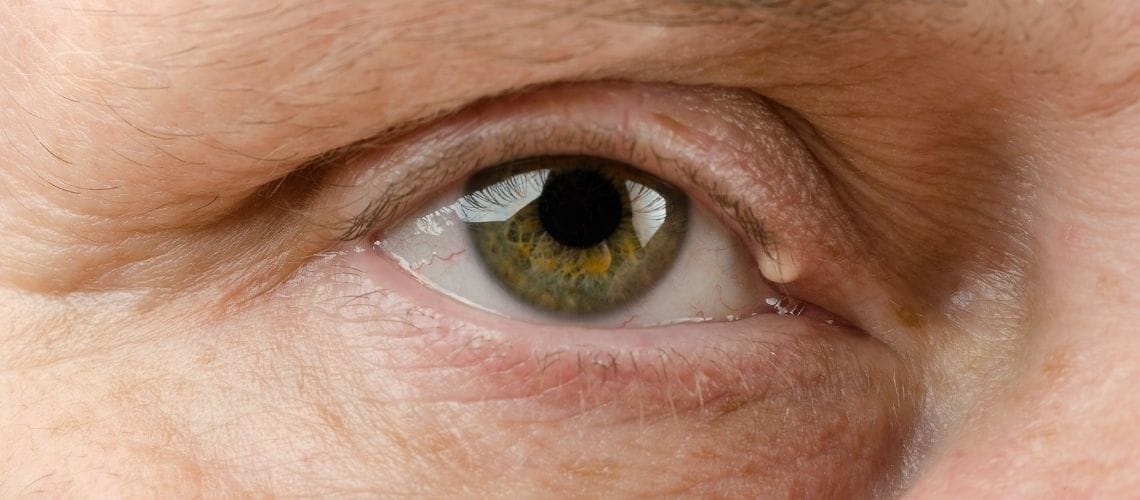
Under-eye dark circles refer to the condition in which the skin around the lower eyelid appears darker compared to the surrounding tissues. This discoloration may sometimes appear purple, brown, or grayish. The color tone can provide clues about the underlying cause. Since the skin around the eyes is quite thin, changes in this area are more noticeably observed.
Why Do Under-Eye Dark Circles Occur?
There is no single cause of under-eye dark circles. Often, multiple factors play a role simultaneously.
Genetic predisposition is one of the most common causes. In individuals with family members who have under-eye darkness, this condition may appear at an earlier age and more prominently. In people with thin skin structure, the visibility of blood vessels increases.
Sleep deprivation and irregular sleep can affect blood circulation in the under-eye area, contributing to a darker appearance. Prolonged fatigue may cause the skin to become pale and make the underlying blood vessels more visible.
Allergic conditions, especially when accompanied by nasal congestion and frequent eye rubbing habits, can increase under-eye dark circles. Allergy-related vascular dilation may lead to color changes in this area.
Certain systemic conditions such as iron deficiency can affect the overall appearance of the skin. However, such causes require physician evaluation, and it is not correct to make a diagnosis based solely on under-eye dark circles.
With the aging process, subcutaneous fat tissue decreases and collagen production declines. This can increase under-eye hollowness and dark appearance.
How Do Under-Eye Dark Circles Go Away?
Approaches aimed at reducing the appearance of under-eye dark circles are shaped by correctly understanding the cause. Not every method may be suitable for everyone.
Regulating Daily Life Habits
Sleep patterns have a significant impact on under-eye dark circles. Adequate and high-quality sleep contributes to skin renewal. It should not be forgotten that sleep quality is more important than sleep duration.
Spending long periods in front of screens can increase eye fatigue. Taking short breaks during the day and resting the eyes may be beneficial.
Cold Applications
Cold compresses can temporarily constrict blood vessels and help reduce the dark appearance in the under-eye area. Short-term cold applications performed in the morning hours may also alleviate swelling and the feeling of fatigue. However, this method does not provide a permanent solution.
Skin Care and Moisturization
Moisturizers specially formulated for the eye area can support skin elasticity. Dehydrated skin may appear duller and darker. Regular care contributes to strengthening the skin barrier.
When choosing products, it is important that the ingredients are suitable for the skin type. Not every product may have the same effect on every skin.
Sun Protection
The under-eye area is highly sensitive to the harmful rays of the sun. Prolonged sun exposure may cause increased pigmentation. Wearing sunglasses and supporting the skin with appropriate sunscreens may help prevent the dark appearance from worsening.
Medical and Aesthetic Approaches
If under-eye dark circles remain prominent despite daily precautions, evaluation in dermatology or plastic surgery may be necessary.
Methods such as mesotherapy, PRP, or filler applications can be planned according to the structural characteristics of the under-eye area. These procedures aim to improve skin quality and reduce hollowness. However, they may not be suitable for every patient and definitely require specialist evaluation.
Laser and light systems are among the preferred methods for pigmentation-related dark circles. The number of sessions and the method vary according to skin structure.
Such procedures are not diagnostic or therapeutic treatments, but interventions aimed at improving appearance. It should be kept in mind that results may vary from person to person.
How Effective Are At-Home Methods for Under-Eye Dark Circles?
Commonly used at-home methods such as cucumber slices or tea bags may provide temporary relief due to their cooling effects. However, there is no strong scientific evidence that these applications provide permanent improvement. It is important to keep expectations realistic.
When Is Specialist Evaluation Necessary?
If under-eye dark circles start suddenly, become rapidly more pronounced, or are accompanied by other symptoms such as general fatigue or paleness, it is appropriate to consult a physician to rule out an underlying systemic condition. In addition, seeking professional opinion is beneficial in long-standing cases that affect quality of life.
Frequently Asked Questions
How do under-eye dark circles go away depending on their underlying cause?
Under-eye dark circles improve when the root cause is identified and addressed. Pigmentation, thin skin, aging, allergies, sleep deprivation, and genetics require different approaches. Effective treatment often combines lifestyle changes with targeted medical or cosmetic therapies.
How long does it take for under-eye dark circles to fade after improving sleep habits?
Dark circles caused primarily by sleep deprivation may begin improving within a few days to several weeks after establishing healthy sleep patterns. Recovery time varies depending on age, skin quality, stress levels, and whether other contributing factors are present.
Can under-eye dark circles disappear permanently with cosmetic treatments?
Some cosmetic procedures can provide long-lasting improvement, but permanent removal is not always possible. Laser treatments, fillers, chemical peels, and surgery may significantly reduce dark circles, although maintenance treatments are sometimes required over time.
What lifestyle changes help under-eye dark circles go away naturally?
Consistent sleep, proper hydration, sun protection, smoking cessation, and a balanced diet can reduce the appearance of dark circles. Managing allergies and limiting excessive alcohol intake may also support healthier skin and improved circulation around the eyes.
Do under-eye dark circles go away faster with topical creams and serums?
Products containing retinol, vitamin C, niacinamide, caffeine, or hyaluronic acid may improve skin texture and brightness over time. Results typically develop gradually over several weeks and are often more noticeable when combined with healthy habits.
Can allergies prevent under-eye dark circles from going away completely?
Yes, chronic allergies can contribute to persistent dark circles by causing inflammation, swelling, and increased rubbing of the eyes. Proper allergy management may significantly improve appearance and prevent recurring discoloration beneath the eyes.
Why do some under-eye dark circles remain despite getting enough sleep?
Not all dark circles are related to fatigue. Genetics, facial anatomy, aging-related volume loss, pigmentation disorders, and vascular visibility can all contribute. In these cases, sleep improvement alone may provide only limited cosmetic benefit.
Do under-eye dark circles go away after treating iron deficiency or other medical conditions?
When dark circles are linked to iron deficiency, thyroid disorders, or other health conditions, treating the underlying problem may improve their appearance. However, improvement depends on the severity, duration, and presence of additional contributing factors.
Which advanced dermatology treatments are most effective for stubborn under-eye dark circles?
Dermatologists may recommend laser therapy, chemical peels, microneedling, platelet-rich plasma, dermal fillers, or combination treatments. The best option depends on whether pigmentation, vascular visibility, skin laxity, or volume loss is responsible.
Can aging-related under-eye dark circles go away without surgery?
Many age-related dark circles improve with non-surgical treatments such as fillers, skin-tightening procedures, and collagen-stimulating therapies. While these methods can create noticeable improvement, results vary according to individual anatomy and skin quality.