Türkçe
 Deutsch

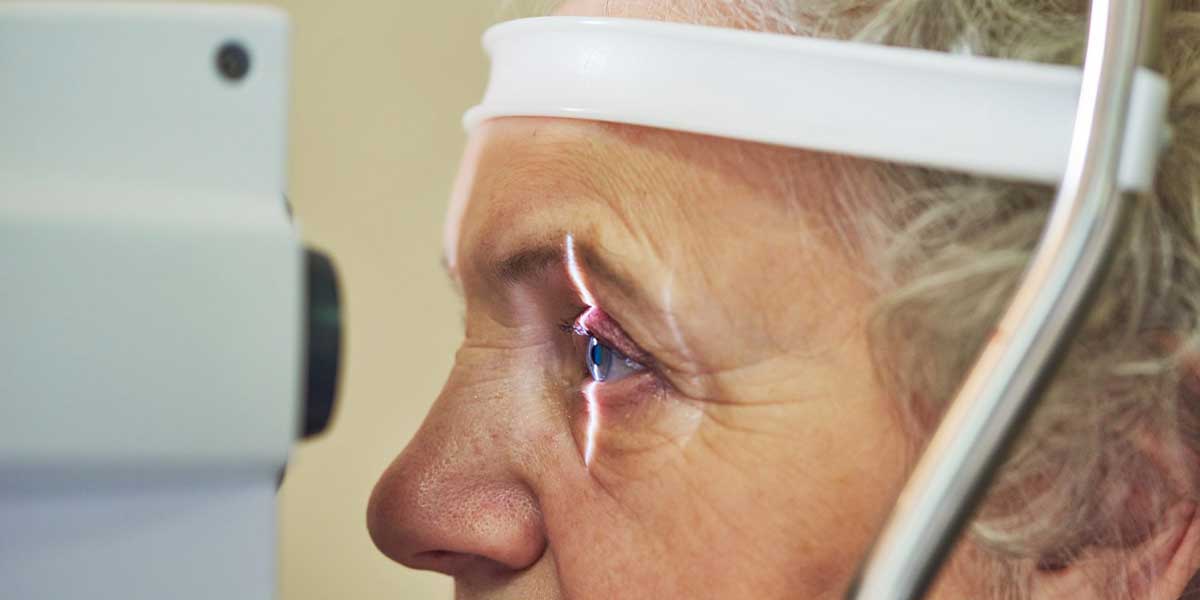
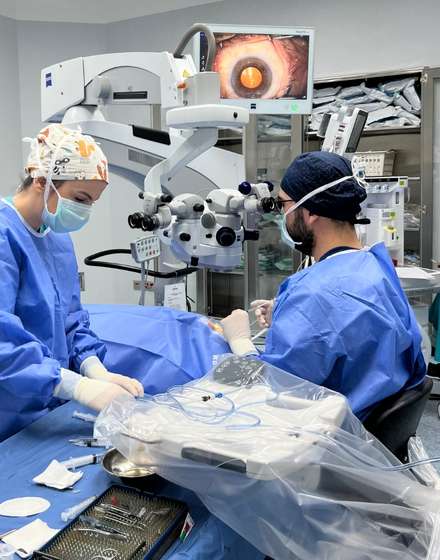
Glaucoma is a disease that aims to lower intraocular pressure to prevent further damage to the optic nerve. Treatment methods applied for this purpose include topical medications, laser therapies, and surgical interventions. However, with new developments, techniques like femtosecond laser trabeculotomy offer hope for non-invasive treatment options.
Moreover, thanks to gene therapy methods, there is potential to slow down retinal ganglion cell death by targeting genes associated with glaucoma. In this way, it may be possible to prevent vision loss and restore sight in the future.
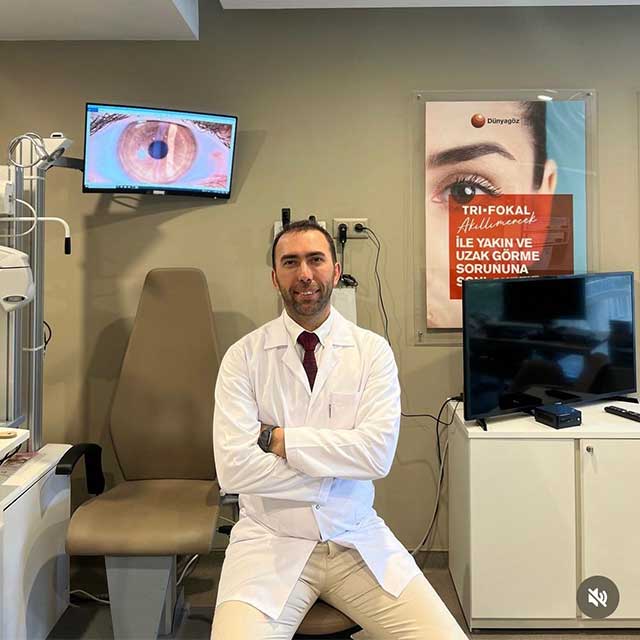
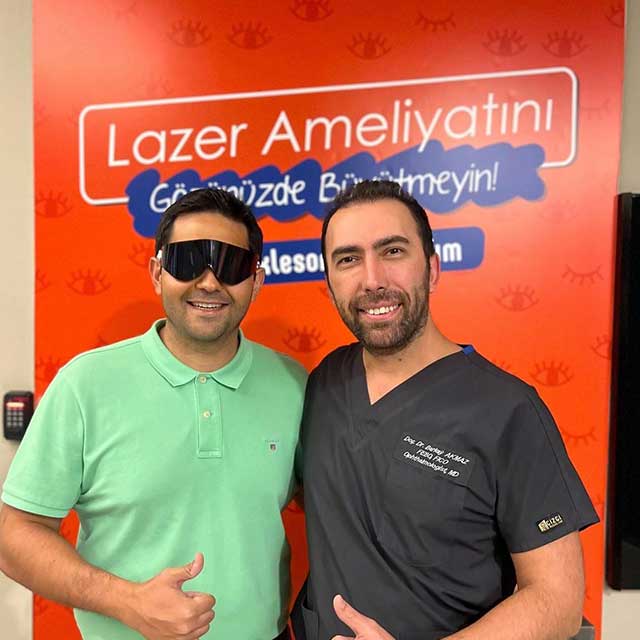
Turkey is one of the best country for Eye Pressure Treatment (Glaucoma) at a afforable price. If you are looking for a place for Eye Pressure Treatment (Glaucoma) abroad with best clinics and doctors, you are definitly on the right spot. Check Dr. Berkay Akmaz's Eye Pressure Treatment (Glaucoma) prices, reviews and packages.
Ophthalmology Specialist – Assoc. Prof. Dr. Berkay Akmaz was born in İzmir in 1985. Due to his father's profession, he spent his primary school years in different cities. He began his education at Gülhane Military Medical Academy in 2003 and graduated with the title of Medical Doctor from Ege University Faculty of Medicine in 2010. In 2010, Assoc. Prof. Dr. Berkay Akmaz ranked 25th in the Medical Specialization Exam (TUS) in Turkey and started his specialization in the Department of Ophthalmology and Surgery at Dr. Lütfi Kırdar Kartal Education and Research Hospital. He completed his specialization training in 2014.






| Treatment Method | Features |
| Medication Therapy (Eye Drops) | Different types of eye drops are used to lower intraocular pressure. Requires regular use. |
| Oral Medications | Oral medications can be used in addition to eye drops. Side effects may include nausea and fatigue. |
| Laser Therapy (Trabeculoplasty) | A laser is applied to the trabecular meshwork to increase fluid outflow in the eye. Usually performed as an outpatient procedure. |
| Selective Laser Trabeculoplasty (SLT) | A treatment method performed using a lower-energy laser. Causes minimal tissue damage. |
| Micropulse Laser Trabeculoplasty (MLT) | Intended to lower intraocular pressure with low-level laser. Has few side effects. |
| Surgical Treatment (Trabeculectomy) | A new channel is created in the eye to facilitate fluid outflow. Typically applied in advanced stages of glaucoma. |
| Glaucoma Implant (Tube Shunt Surgery) | An implant is placed to drain intraocular fluid. Can be effective in advanced glaucoma. |
| Minimally Invasive Glaucoma Surgery (MIGS) | Surgical methods performed with fewer incisions. Have short recovery time and low risk of complications. |
| Diet and Lifestyle Changes | Healthy eating, regular exercise, and stress management are recommended. Supports treatment but is not sufficient alone. |
What Is Glaucoma Treatment?
Glaucoma treatment began with the introduction of the first drug, physostigmine, in 1876, and significant progress has been made since then. Over time, different drugs like pilocarpine and carbonic anhydrase inhibitors have been developed, taking innovative steps in the field of glaucoma treatment.
Notably, the FDA approval of prostaglandin analogs in 1996 is considered one of the turning points in glaucoma treatment. In recent years, the approvals of DURYSTA in 2020 and iDose TR implants in 2023 are also groundbreaking in this field. These biodegradable implants provide continuous drug release, reducing the need for daily eye drop use and significantly increasing adherence to treatment.
What Are the Types of Glaucoma Surgery?
Glaucoma is a serious eye condition that can lead to optic nerve damage and is often associated with high intraocular pressure. When medication is ineffective or the disease continues to progress, surgical intervention becomes necessary. The type of surgery is determined based on the type and severity of glaucoma. The main types of glaucoma surgery include:
- Trabeculectomy: A new drainage channel is created to allow intraocular fluid to exit the eye, reducing pressure.
- Glaucoma Drainage Implants (Valves or Tubes): Small devices are implanted to direct fluid out of the eye.
- Minimally Invasive Glaucoma Surgery (MIGS): New-generation techniques that involve minimal tissue disruption and offer faster healing.
- Select Laser Trabeculoplasty (SLT): Laser treatment is used to enhance the natural drainage of intraocular fluid.
- Laser Peripheral Iridectomy: A small opening is made in the iris to release trapped fluid, often used during sudden pressure spikes.
- Cyclodestructive Laser Procedures: The tissues that produce intraocular fluid are targeted to reduce fluid production.
How Does Glaucoma Treatment Work?
- Prostaglandin Analogs: Accepted as the first-line treatment, these drugs lower intraocular pressure by increasing the drainage of fluid in the eye. They restructure the extracellular matrix on the ciliary muscle. Medications like latanoprost, bimatoprost, and travoprost belong to this class.
- Beta-Blockers: Drugs like timolol control intraocular pressure by reducing aqueous humor production. They slow down fluid production in the eye by inhibiting beta receptors in the ciliary epithelium.
- Alpha-2 Adrenergic Agonists: These drugs both reduce aqueous humor production and increase fluid outflow. Agents like brimonidine lower intraocular pressure by activating alpha-2 receptors.
- Carbonic Anhydrase Inhibitors: Drugs like dorzolamide and acetazolamide inhibit the carbonic anhydrase enzyme in the ciliary body. This reduces the production of bicarbonate, one of the main components of ocular fluid.
- Rho-Kinase Inhibitors: Netarsudil lowers intraocular pressure by increasing aqueous humor outflow in the trabecular meshwork. This class of drugs relaxes smooth muscle cells in the trabecular meshwork.
- Cholinergic Agonists: Pilocarpine contracts the ciliary muscle, supporting the outflow of intraocular fluid and increasing drainage through the Schlemm’s canal.
Neuroprotective strategies are also developing, with the potential to protect retinal ganglion cells.
When Is Glaucoma Treatment Used?
Glaucoma treatment is applied in cases of elevated intraocular pressure (IOP) to prevent the progression of the disease. This treatment is crucial to prevent irreversible damage to the optic nerve and vision loss. IOP levels rising to 21 mmHg or above are one of the main indications for treatment. However, individuals who show signs of optic nerve damage despite having normal IOP levels also require treatment. Situations that necessitate the application of glaucoma treatment include:
- High Intraocular Pressure (IOP): When IOP levels exceed normal values, it is recommended to start treatment to prevent damage to the optic nerve. In a condition known as normal-tension glaucoma, glaucoma findings may be observed despite normal IOP levels, and treatment is indicated in this case as well.
- Progressive Optic Nerve Damage: Imaging techniques, especially Optical Coherence Tomography (OCT), can detect optic nerve head damage or thinning of the retinal nerve fiber layer. This is important for treatment regardless of IOP levels.
- Visual Field Defects: Loss of visual field requires treatment regardless of eye pressure. Peripheral vision loss showing significant progression in field tests requires intervention.
- Risk of Progression: Individuals with risk factors such as family history, advanced age, or African descent may require more aggressive treatment. Since these factors indicate that glaucoma can progress rapidly, more comprehensive intervention is applied.
Who Is Not Suitable for Glaucoma Treatment?
Glaucoma treatment may not be suitable for some patients because the medications used and treatments applied carry certain risks. The most important contraindications to be considered during treatment are:
- Primary Open-Angle Glaucoma (POAG) and Anticholinergic Drugs: The use of anticholinergic drugs is contraindicated in patients with POAG. These drugs can increase intraocular pressure and lead to the risk of sudden angle closure. Especially antidepressants and bladder control medications can be dangerous for POAG patients.
- Steroid Use: Steroid use poses a significant risk for patients with a history of glaucoma or those who respond to steroid use. Corticosteroids can increase intraocular pressure, which can trigger the development of glaucoma in individuals prone to ocular hypertension. Potent steroids like dexamethasone and prednisolone are contraindicated for these patients, and the use of low-risk alternatives is recommended.
- Polypharmacy and Elderly Patients: Drug interactions are risky in elderly patients using multiple medications. Especially benzodiazepines used for anxiety or insomnia may have worsening effects on glaucoma. Therefore, evaluating alternative treatment options is important in elderly patients.
- Beta-Blockers: Beta-blocker drugs like timolol are not suitable for patients with respiratory problems or heart conditions. These drugs can cause serious side effects in patients with asthma, COPD, or heart block.
How Is Glaucoma Treatment Applied?
Glaucoma treatment aims to prevent the progression of damage to the optic nerve by lowering intraocular pressure. These treatment methods are varied and change according to the patient’s condition:
- Medications: Eye drops like prostaglandin analogs, beta-blockers, and carbonic anhydrase inhibitors are used to reduce intraocular pressure. However, these treatments may involve challenges due to issues with adherence and side effects.
- Laser Therapy: Selective Laser Trabeculoplasty (SLT) focuses on lowering intraocular pressure by increasing fluid drainage. Laser therapies are notable for being generally non-invasive and repeatable.
- Surgical Approaches: Alternative pathways for fluid outflow are created using trabeculectomy or glaucoma drainage devices. Surgical options are preferred when other methods are insufficient.
Finally, gene therapy is being explored as an experimental treatment aiming to protect retinal cells and regulate intraocular fluid dynamics.
What Are the Side Effects of Glaucoma Treatment?
The methods used in glaucoma treatment can lead to various side effects and complications. These effects vary according to the treatment method and are important considerations during the patient’s treatment process.
Medications:
- Prostaglandin analogs are generally used to lower intraocular pressure. However, these drugs can lead to darkening of the iris and eyelid skin. They may cause an increase in eyelashes, leading to hypertrichosis. Additionally, conditions like redness in the eye (conjunctival hyperemia) may occur.
- Beta-blockers can lead to serious systemic side effects such as bradycardia, hypotension, and bronchospasm. Local effects may include dry eyes and allergic reactions. In rare cases, they can cause cardiac problems like complete atrioventricular block.
- Rho kinase inhibitors can cause some changes in the cornea. Effects such as conjunctival hyperemia, subconjunctival hemorrhages, and verticillata (corneal deposits) can be observed. In severe cases, bullous keratopathy may develop, posing a risk of permanent vision loss.
Laser Therapies:
- Laser trabeculoplasty aims to increase fluid drainage in the eye. However, it can lead to inflammation and a temporary increase in intraocular pressure. Over time, scarring may occur in the drainage tissues, which can negatively affect the success of the treatment.
- Cyclophotocoagulation can cause long-term inflammation and pain. With the risk of hypotony, it can threaten the structural integrity of the eye. It is also a treatment method that carries a risk of vision loss.
Surgical Treatments:
- After trabeculectomy surgery, risks such as infection, bleeding, and hypotony may be seen. Patients using blood-thinning medications may encounter such complications. Scarring over time can lead to the loss of the surgery’s effectiveness.
- Minimally Invasive Glaucoma Surgery (MIGS) may be insufficient in lowering pressure or may require additional intervention. Complications such as infection risk and device displacement may also be seen.
How Successful Is Glaucoma Treatment?
The success rates of glaucoma treatments vary depending on the method used and the individual characteristics of the patient. Initially, medical treatments aim to lower intraocular pressure with medications, but long-term success rates depend on the patient’s adherence to treatment. While most patients benefit initially, they may need laser or surgical treatment in the future.
- Medical Treatment Success Rate: Approximately 50% of patients can achieve effective IOP control in the long term.
Selective Laser Trabeculoplasty (SLT) is particularly preferred as a first-line treatment. Although it has high initial success rates, its effectiveness decreases over time. After SLT application, some patients require additional treatment.
- SLT Success Rate: Drops from 70% in the first 6 months to 45% at 1 year and 27% at 2 years.
Minimally Invasive Glaucoma Surgery (MIGS) is popular due to its low invasiveness, and early success rates are promising. Although success rates decrease over time, it can be effective with medication support.
- MIGS Success Rate: Provides full success of 65.8% in the first 6 months and 31.6% at 12 months. Qualified success is 89.5% at 12 months.
Finally, traditional surgical methods like trabeculectomy and drainage implants are effective in reducing intraocular pressure with higher success rates. However, these treatments carry a higher risk of complications and are generally preferred when other methods fail.
- Traditional Surgery Success Rate: Varies between 70-80% in the long term.
How to Prepare for Glaucoma Treatment?
The preparation process for glaucoma treatment is carefully planned according to the patient’s condition and the selected treatment method. First, basic pre-treatment evaluations are made. In this process, intraocular pressure (IOP), optic nerve health, and visual field are examined in detail. These assessments help understand the severity of glaucoma and determine an appropriate treatment strategy.
If the patient is already using glaucoma medications, dose adjustments may be necessary for the treatment. In this case, the doctor makes the necessary changes to ensure optimal IOP control. Temporarily discontinuing some medications is important to prevent complications.
Pre-treatment counseling is also part of this preparation. The patient is informed about the possible side effects and benefits of the medications or surgical methods to be applied. Medication therapy plays an important role in non-surgical glaucoma treatments. However, when surgical methods are in question, the patient is informed about postoperative care and the recovery process.
Additionally, diagnostic imaging techniques are of great importance in treatment preparation. Optical Coherence Tomography (OCT) and visual field tests are used to evaluate retinal and optic nerve damage. Some precautions may need to be taken in surgical planning. For example, discontinuing blood-thinning medications or recommending the use of postoperative eye drops.
How Should Post-Treatment Care Be After Glaucoma Treatment?
The care process after glaucoma treatment is crucial to keep intraocular pressure under control and protect eye health. While the care to be applied during this process varies according to the procedure the patient has undergone, some basic elements are valid for all patients.
First, the patient may need to use certain eye drops to prevent inflammation and infection. These drops usually contain antibiotics and steroids and are started at higher doses during the treatment process, decreasing over time. Additionally, it may be necessary to continue using eye drops that lower intraocular pressure for a longer period.
To protect eye health, patients are advised to avoid activities that strain the eyes. Especially after surgery, it is very important to avoid rubbing the eyes, looking at screens for long periods, or engaging in heavy physical activities. Patients should use protective eyewear and sunglasses to shield their eyes from dust and bright light when outdoors.
Follow-up appointments are indispensable for monitoring intraocular pressure and evaluating the recovery process. During these appointments, the doctor monitors eye pressure, evaluates vision changes, and makes adjustments to the treatment if necessary. Regular doctor visits are crucial for assessing the success of the treatment.
Pain and discomfort management is also an important issue. Mild discomfort, redness, or light sensitivity is common, especially after laser treatments. Cold compresses, over-the-counter pain relievers, and eye drops recommended by the doctor can help alleviate these symptoms. However, in cases of severe pain or persistent redness, patients should immediately consult their doctor.
Additionally, patients undergoing chronic glaucoma treatment should protect ocular surface health. Preservative-free eye drops can help maintain the ocular surface. Procedures like minimally invasive glaucoma surgeries can be preferred to reduce dependence on topical medications.
Finally, continuous monitoring and regular lifestyle adjustments are important for the long-term success of glaucoma treatment.
How Does Resistance to Glaucoma Treatment Develop?
The mechanisms leading to resistance to glaucoma treatment involve multifaceted factors that trigger the progression of the disease. These factors can be grouped as intraocular pressure-independent factors, trabecular meshwork dysfunction, extracellular matrix remodeling, pharmacological tolerance and inadequate response, and neuroinflammation with vascular dysregulation. These resistance mechanisms complicate glaucoma treatment and require the application of different strategies to provide effective treatment.
- Intraocular Pressure-Independent Factors: While the main goal of glaucoma treatment is to lower intraocular pressure, many patients continue to experience retinal ganglion cell degeneration despite this treatment. Pressure-independent factors such as oxidative stress, excitotoxicity, mitochondrial dysfunction, and neuroinflammation contribute to the progression of the disease. This indicates that glaucoma is not only related to eye pressure but is also a neurodegenerative disease.
- Trabecular Meshwork (TM) Dysfunction: The trabecular meshwork plays an important role in the outflow of intraocular fluid. Structural changes in the TM cause an increase in intraocular pressure. Changes in TM contractility and the extracellular matrix restrict fluid outflow, creating resistance. Drugs like Rho kinase inhibitors targeting this condition aim to improve fluid outflow. However, structural changes in the TM reduce the effectiveness of these treatments.
- Extracellular Matrix (ECM) Remodeling: Abnormal ECM remodeling in the Schlemm’s canal and TM plays a significant role in glaucoma resistance. Cytokines like metalloproteinases and TGF-β2 lead to an increase in ECM components, making fluid outflow more difficult. These changes may reduce the long-term effectiveness of traditional medications.
- Pharmacological Tolerance and Inadequate Response: A portion of glaucoma patients develop resistance to common treatments. Drugs like prostaglandin analogs, beta-blockers, and carbonic anhydrase inhibitors do not show sufficient effect in some patients. In this case, factors like receptor desensitization and differences in drug metabolism come into play.
- Neuroinflammation and Vascular Dysregulation: Neuroinflammation and vascular dysregulation are other factors effective in the progression of glaucoma. Neuroinflammation arising from microglia and astrocyte activation leads to damage in retinal ganglion cells. Additionally, insufficient blood flow to the optic nerve increases neuronal deaths.
Latest Posts

Dermatochalasis (Eyelid Sagging)
Anasayfa » Eyelid » Dermatochalasis (Eyelid Sagging)Dermatochalasis (eyelid sagging) is a condition caused by excess [...]
Read MoreMar

Congenital Cataract
Anasayfa » Cataract » Congenital CataractCongenital cataract is an eye disease that occurs when the [...]
Read MoreMar

Causes of Blurred Vision in One Eye
Anasayfa » Eye Health » Causes of Blurred Vision in One EyeThe causes of blurred [...]
Read MoreDec

Comments from Patients with Pseudotumor Cerebri
Anasayfa » Uncategorized » Comments from Patients with Pseudotumor CerebriComments from patients with pseudotumor cerebri [...]
Read MoreDec

Reviews of People Who Have Undergone Corneal Surgery
Anasayfa » Eye Health » Reviews of People Who Have Undergone Corneal SurgeryReviews from people [...]
Read MoreDec
Keratoconus Patient Reviews
Anasayfa » Eye Health » Keratoconus Patient ReviewsKeratoconus patient reviews provide important insights into the [...]
Read MoreDec

How Long Does Cataract Surgery Take?
Anasayfa » Cataract » How Long Does Cataract Surgery Take?The answer to the question of [...]
Read MoreDec

How Do Under-Eye Dark Circles Go Away?
Anasayfa » Uncategorized » How Do Under-Eye Dark Circles Go Away?The question of how under-eye [...]
Read MoreDec
Gallery