Türkçe
 Deutsch

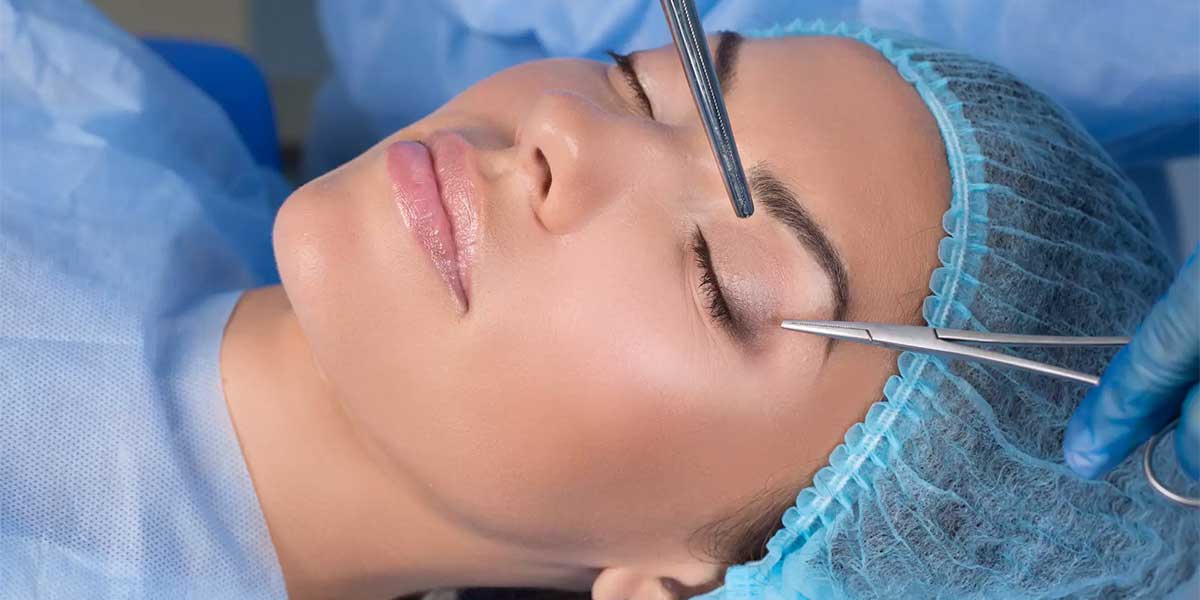
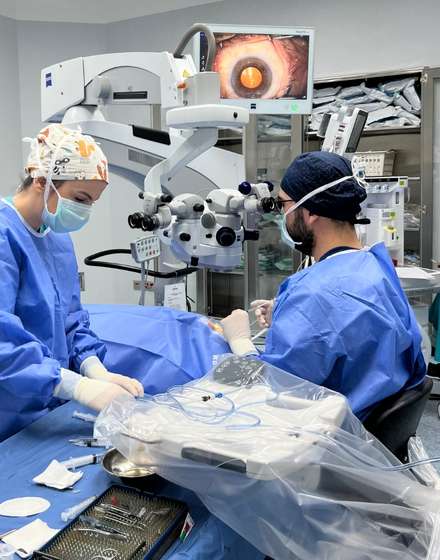
Eyelid drooping surgery focuses on resolving the problem of ptosis and generally aims to reduce visual obstruction. In this surgical procedure, the eyelid is brought to its natural position by adjusting the levator muscle. Techniques such as levator resection or Müller muscle-conjunctival resection are used, and the choice of method depends on the degree of ptosis.
However, in some cases, complications such as asymmetry or overcorrection may occur after surgery. Therefore, the risk of dry eye is assessed before surgery, and a detailed examination of the levator muscle function is of great importance.
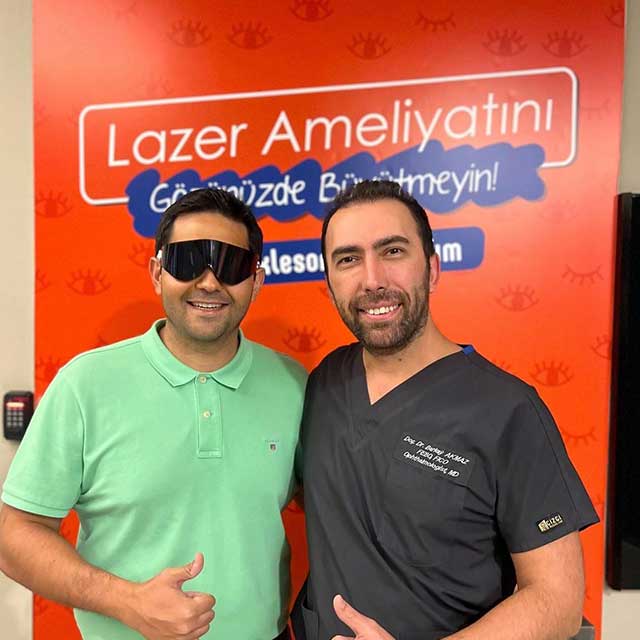
Turkey is one of the best country for Eyelid Drooping (Ptosis) Surgery at a afforable price. If you are looking for a place for Eyelid Drooping (Ptosis) Surgery abroad with best clinics and doctors, you are definitly on the right spot. Check Dr. Berkay Akmaz's Eyelid Drooping (Ptosis) Surgery prices, reviews and packages.
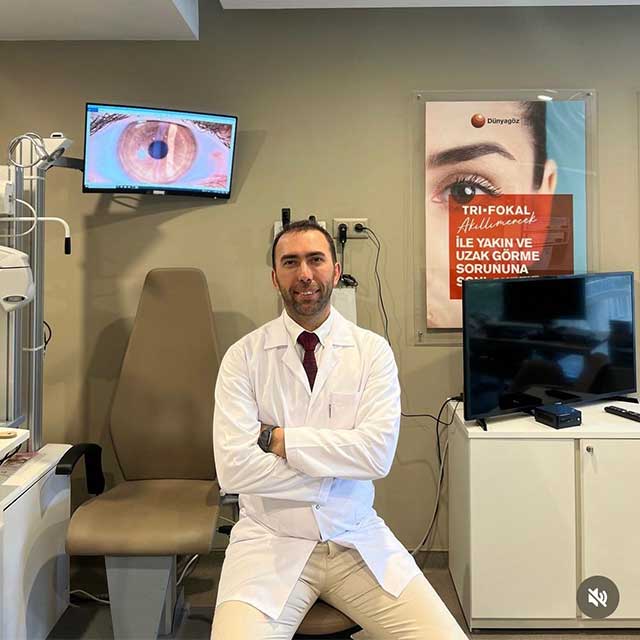
Ophthalmology Specialist – Assoc. Prof. Dr. Berkay Akmaz was born in İzmir in 1985. Due to his father's profession, he spent his primary school years in different cities. He began his education at Gülhane Military Medical Academy in 2003 and graduated with the title of Medical Doctor from Ege University Faculty of Medicine in 2010. In 2010, Assoc. Prof. Dr. Berkay Akmaz ranked 25th in the Medical Specialization Exam (TUS) in Turkey and started his specialization in the Department of Ophthalmology and Surgery at Dr. Lütfi Kırdar Kartal Education and Research Hospital. He completed his specialization training in 2014.






| Definition | Surgical procedure performed to elevate the eyelid when it is positioned lower than normal, aiming to expand the visual field and correct the aesthetic appearance. |
| Applications | Congenital or age-related ptosis, eyelid drooping due to muscle or nerve damage, eyelid sagging caused by trauma or neurological diseases. |
| Mechanism of Action | Support is provided to the eyelid by adjusting the muscles (levator muscle) or tendons that lift the eyelid. The muscle can be shortened or repaired. |
| Advantages | 1. Expands the visual field and enhances visual quality 2. Provides a more youthful appearance to the face 3. Potential to reduce eye fatigue |
| Disadvantages | 1. Rarely, asymmetry or recurrence of drooping may occur 2. Temporary side effects such as swelling and bruising 3. Low risk of complications like infection or bleeding |
| Surgery Process | Performed under local or general anesthesia, the procedure takes approximately 1 hour. The muscles and tendon structures of the eyelid are corrected, and sutures are closed post-surgery. |
| Recovery Process | Mild swelling, bruising, and slight pain are normal in the first few days; complete healing typically takes 1-2 weeks. Use of eye drops or ointments may be recommended post-surgery. |
| Side Effects | Swelling, bruising, temporary blurred vision, asymmetry; rarely complications such as infection, dry eyes, or eyelid closure issues may occur. |
| Alternatives | 1. Medication or special glasses (in cases of mild ptosis) 2. Botulinum toxin injections (as a temporary solution) 3. Eyelid exercises |
| Eligibility Criteria | Ideal for patients with ptosis affecting the visual field or causing aesthetic concerns, and who are in good general health suitable for surgery. |
| Care and Follow-up | Post-surgery attention to eye hygiene, avoidance of certain activities (e.g., swimming), and recommendations for using eye drops and cold compresses. |
What Is Eyelid Surgery?
Eyelid drooping surgery focuses on solving the aesthetic and functional problems of a sagging upper eyelid. This surgery specifically targets eyelid drooping caused by levator muscle weakness and minimizes scars thanks to modern techniques. Surgical methods developed throughout history have enabled the restoration of the eyelid’s natural appearance and mobility.
This procedure, which became widespread from the mid-20th century, offers an effective solution for patients with eyelid drooping. Additionally, in 2020, the FDA approved a drug called Upneeq as a non-surgical alternative in mild to moderate ptosis cases, providing another option besides surgery. These developments have increased various treatment options for patients.
What Are the Types of Ptosis (Droopy Eyelid) Surgery?

Ptosis is a condition characterized by the upper eyelid being positioned lower than normal. It may restrict the visual field and cause aesthetic concerns. Treatment is performed surgically depending on the cause, severity, and muscle function. The main types of ptosis surgery include:
- Levator Muscle Resection: The main muscle responsible for lifting the eyelid is shortened to elevate the lid; the most commonly performed technique.
- Müller Muscle Resection (Müllerectomy): Used in patients with mild ptosis and good muscle function.
- Frontalis Sling Surgery: In patients with poor levator function, a connection is created between the forehead muscle (frontalis) and the eyelid to provide elevation.
- Aponeurotic Repair: In age-related ptosis, the levator aponeurosis is reattached or tightened.
- Combined Blepharoplasty with Ptosis Surgery: Both ptosis and eyelid aesthetic issues are corrected simultaneously.
How Does Eyelid Surgery Work?
Eyelid surgery focuses on correcting eyelid drooping with different techniques. The two main approaches used in surgery involve external and internal procedures.
- Advancement of the Levator Muscle (External Approach): In this technique, the levator muscle is accessed through a small incision made in the skin of the upper eyelid. The surgeon reattaches the muscle to the tarsus, bringing the eyelid to a more functional position. This procedure includes an incision hidden in the natural crease of the eyelid and leaves no visible scar. If the levator muscle has sufficient function, this method is preferred, and the results are generally aesthetically satisfying.
- Müller Muscle-Conjunctival Resection (Internal Approach): Used in patients with mild to moderate ptosis, in this method, the surgeon operates from inside the eyelid without cutting the skin. By removing a portion of the Müller muscle, the eyelid is lifted, and thus no visible scar is formed. This method is a less invasive approach, and the recovery process is generally quick.
In cases where the levator muscle is severely dysfunctional, different techniques such as frontalis sling are applied. The eyelid is connected to the frontalis muscle located in the forehead with silicone or biocompatible material, allowing the patient to lift the eyelid by using the forehead muscle. This procedure is especially preferred in congenital ptosis cases.
When Is Eyelid Surgery Performed?
Eyelid surgery may be necessary in various situations and offers an important treatment option aimed at improving the patient’s quality of life. The necessity of this surgery generally depends on how much ptosis affects the patient’s daily life. In cases where ptosis is severe, surgery is indicated for both functional and cosmetic reasons. Eyelid surgery is particularly recommended under the following conditions:
- Narrowing of the Visual Field: In patients with moderate to severe ptosis, the upper visual field is closed, making activities such as reading and driving difficult. In this case, eyelid surgery is preferred to open the visual field.
- Chronic Eye Fatigue: Ptosis may cause the patient to constantly use forehead muscles to lift the eyelid. This can lead to headaches and tension in the eyebrows, causing fatigue and discomfort.
- Eye Irritation and Dryness: Ptosis leads to incomplete closure of the eyelid, increasing the risk of dry eye and irritation. Tear distribution may be affected, increasing the risk of infection.
Surgery may also be recommended due to cosmetic concerns. Drooping eyelids can create a tired or aged appearance, affecting patients’ self-confidence. Additionally, surgery provides both aesthetic and functional improvement in drooping caused by age-related ptosis and congenital ptosis. Surgical intervention is also necessary in ptosis cases that occur after trauma or previous eye surgeries.
Who Is Not Suitable for Eyelid Surgery?
Eyelid surgery may not be suitable for everyone due to some health conditions, and certain contraindications should be considered. Medical and anatomical factors where surgery may increase risks or lead to poor outcomes include:
- Ocular Surface Disorders: In individuals with severe dry eye or keratoconjunctivitis sicca, postoperative tear distribution may be disrupted, increasing the risk of corneal damage.
- Uncontrolled Glaucoma: Patients with high intraocular pressure or poorly managed glaucoma may face more serious complications due to increased pressure after surgery.
- Severe Corneal Pathologies: Disorders such as keratoconus involving corneal thinning may cause unwanted changes in corneal biomechanics after surgery, leading to vision loss.
- Ocular Hypertension: Individuals with high intraocular pressure like glaucoma should be carefully evaluated because surgery may increase pressure and damage the optic nerve.
- Unstable Medical Conditions: Health issues such as poorly controlled diabetes, hypertension, or heart disease can negatively affect both anesthesia risk and the recovery process.
- Systemic Connective Tissue Disorders: Connective tissue disorders like Ehlers-Danlos syndrome may threaten surgical outcomes due to poor wound healing and increased scarring risk.
- Psychological Conditions: Individuals with body dysmorphic disorder or unrealistic expectations may not be satisfied with surgical results and are therefore not suitable candidates.
- Infection or Inflammation: If there is an active infection or significant inflammation in the eyelid before surgery, the operation should be postponed until this infection is resolved.
How Is Eyelid Surgery Performed?
Eyelid surgery is a procedure where various surgical techniques are applied to correct drooping of the upper eyelid. These techniques are determined based on the severity of ptosis and the function of the levator muscle that lifts the eyelid. A comprehensive evaluation before the procedure is essential. The main techniques used in eyelid surgery are:
- Levator Resection/Advancement: This method is applied in patients with moderate or good levator function. It involves shortening or tightening the levator aponeurosis that lifts the eyelid. It offers an effective solution in both congenital and age-related ptosis cases.
- Frontalis Sling: Used in cases where levator function is weak. In this technique, the eyelid is connected to the frontalis muscle using a sling. With the sling made of synthetic material or the patient’s own tissue, the eyelid is moved by lifting the eyebrows.
- Müller Muscle-Conjunctival Resection: Preferred in mild ptosis cases. The eyelid is lifted by removing a portion of the Müller muscle and conjunctival resection. This method is used in patients with good levator function.
- Fasanella-Servat Procedure: This technique, suitable for mild to moderate ptosis, involves removing a small portion of the Müller muscle along with the tarsal plate. It is an effective solution when the levator muscle works but the eyelid is slightly droopy.
In the postoperative period, patients usually experience side effects such as swelling and bruising. After the procedure, the height of the eyelid is carefully monitored, and adjustments are made if necessary. The recovery process takes several weeks, but some complications may occur. In this case, additional procedures may be required. Conditions such as overcorrection, undercorrection, asymmetry, and exacerbation of dry eye should also be considered.
What Are the Side Effects of Eyelid Surgery?
Various side effects and complications may occur during or after ptosis surgery. Some of these side effects include:
- Undercorrection and Overcorrection: It is common for the eyelid not to be at the exact desired level. Undercorrection causes the eyelid to remain low, while overcorrection leads to excessive elevation of the eyelid. In both cases, additional surgical intervention may be required.
- Asymmetry: Asymmetry between the eyelids may occur after surgery. Improper healing or surgical errors can cause this situation, and additional corrective procedures are often needed.
- Lagophthalmos (Incomplete Eyelid Closure): Incomplete closure of the eyelid may occur, especially as a result of overcorrection or scar formation. This can lead to dry eye, irritation, and corneal problems.
- Corneal Complications: Conditions like lagophthalmos or ectropion may leave the cornea unprotected from external factors. This exposure brings risks that can cause dryness, infection, or vision loss.
- Hematoma: After surgery, blood accumulation (hematoma) under the skin may occur. This increases swelling, pain, and infection risk, prolonging the recovery process.
- Scarring: Although surgical incisions are made in inconspicuous areas, scarring may remain. Especially the development of infection or hematoma can make this scar noticeable.
- Infection: Infections in the surgical area are rare but can cause swelling and pain. Prompt intervention and antibiotic treatment may be necessary.
- Dry Eye and Irritation: Temporary or permanent dry eye problems may occur after ptosis surgery. This is due to changes in the blinking mechanism.
- Recurrence of Ptosis: Over time, muscle weakness or inadequate initial surgical intervention may lead to the reappearance of ptosis.
How Successful Is Eyelid Surgery?
The success rates of eyelid surgery vary depending on the technique applied and the patient’s characteristics. Ptosis surgery is generally successful in restoring eyelid function, with success rates ranging between 85% and 94%. Achieving the desired eyelid height after surgery usually provides satisfying results. However, in some patients, the symmetry rate may remain lower.
- Overall Success Rates: Ptosis surgeries often provide effective results in correcting eyelid level and contour.
- MMCR Technique: This method used in mild to moderate cases has a success rate of over 90%. The recovery time is short, and the risk of asymmetry is low.
- Recurrence Rates: Over time, the recurrence rate of ptosis varies between 12% and 39% and is more common in severe cases.
How to Prepare for Eyelid Surgery?
The preparation process for eyelid surgery consists of a carefully planned series of steps. First, a preoperative evaluation is conducted, which includes a detailed examination of the patient’s medical history and eyelid function.
With special tests evaluating eyelid drooping, the appropriate surgical technique to be used is determined. Additionally, reviewing the patient’s current medications is important, and especially blood-thinning medications are adjusted or temporarily discontinued before surgery.
There are also health considerations to be taken into account during surgical preparation. Patients should inform the surgeon about medications they regularly use, any herbal supplements, and allergies if any. If general anesthesia will be applied, they may need to fast before surgery. In surgeries to be performed under local anesthesia, a light meal is usually acceptable.
Some lifestyle changes may also be necessary for a healthier recovery process. Quitting smoking and alcohol consumption before surgery positively affects the recovery process. Additionally, patients should wear comfortable clothes on the day of surgery and arrange for someone to take them home afterward.
On the day of surgery, anesthetic eye drops are applied, and the surgeon corrects the ptosis by making a small incision in the eyelid crease. The surgical technique to be used is determined according to the patient’s needs, thus minimizing scarring during the operation. Postoperative care instructions should be followed carefully:
How Should Postoperative Care Be After Eyelid Surgery?
Postoperative care after eyelid surgery is important to speed up the recovery process and minimize possible complications. Applying cold compresses for the first 48 hours is recommended to reduce swelling. It should be applied for 30 minutes every hour on the first day and at least six times a day for 15 minutes on the second day. During this period, it is advised to use artificial tear drops and eye ointments at night to prevent dryness of the eyes.
Mild pain and discomfort are common after surgery and can be controlled with pain relievers like Tylenol or ibuprofen. However, it is important to avoid blood-thinning medications like aspirin as they can increase the risk of bleeding. Keeping the head elevated also helps reduce swelling and can be achieved with support pillows.
In addition, strenuous physical activities should be avoided for at least 2-3 weeks. However, light activities like walking can be done after 48 hours. The use of lenses and makeup should be paused for about two weeks during the recovery process. It is crucial to keep the postoperative area clean and dry to prevent the risk of infection in the incision area.
How Does Resistance to Eyelid Surgery Develop?
Resistance to eyelid surgery or recurrence of ptosis after surgery may occur due to various reasons. Factors contributing to these situations include surgical technique deficiencies, aging effects, and issues in muscle function. The main reasons contributing to the development of these conditions are:
- Levator Aponeurosis Dehiscence: The separation of the levator aponeurosis, which plays a critical role in lifting the eyelid, is a common factor in the formation of resistance. This separation may occur due to aging or previous surgical interventions. Some instruments used during surgical interventions may apply unnecessary pressure to the levator complex, exacerbating this problem.
- Surgical Technique and Application Errors: Incorrect selection of surgical technique or improper applications may lead to undesirable results after surgery. For example, if the correct procedure is not performed when levator resection is necessary instead of Müller muscle-conjunctival resection, ptosis may not be fully corrected.
- Anesthesia and Myotoxicity: Some anesthesia techniques may have adverse effects on the levator muscle. Myotoxic effects may result in postoperative edema and muscle weakness, creating resistance to ptosis correction.
- Aging and Pre-existing Muscle Diseases: The decrease in muscle function with the aging process may cause the reappearance of ptosis. Additionally, neuromuscular diseases may weaken muscle function after surgery, contributing to the recurrence of ptosis.
- Aesthetic Complications: Disruption of eyelid contour or asymmetric wrinkles may create aesthetic dissatisfaction and lead to a feeling of surgical failure. This situation is associated with incorrect placement of sutures or structural errors.
Latest Posts

Dermatochalasis (Eyelid Sagging)
Anasayfa » Eyelid » Dermatochalasis (Eyelid Sagging)Dermatochalasis (eyelid sagging) is a condition caused by excess [...]
Read MoreMar

Congenital Cataract
Anasayfa » Cataract » Congenital CataractCongenital cataract is an eye disease that occurs when the [...]
Read MoreMar

Causes of Blurred Vision in One Eye
Anasayfa » Eye Health » Causes of Blurred Vision in One EyeThe causes of blurred [...]
Read MoreDec

Comments from Patients with Pseudotumor Cerebri
Anasayfa » Uncategorized » Comments from Patients with Pseudotumor CerebriComments from patients with pseudotumor cerebri [...]
Read MoreDec

Reviews of People Who Have Undergone Corneal Surgery
Anasayfa » Eye Health » Reviews of People Who Have Undergone Corneal SurgeryReviews from people [...]
Read MoreDec
Keratoconus Patient Reviews
Anasayfa » Eye Health » Keratoconus Patient ReviewsKeratoconus patient reviews provide important insights into the [...]
Read MoreDec

How Long Does Cataract Surgery Take?
Anasayfa » Cataract » How Long Does Cataract Surgery Take?The answer to the question of [...]
Read MoreDec

How Do Under-Eye Dark Circles Go Away?
Anasayfa » Uncategorized » How Do Under-Eye Dark Circles Go Away?The question of how under-eye [...]
Read MoreDec
Gallery