Türkçe
 Deutsch

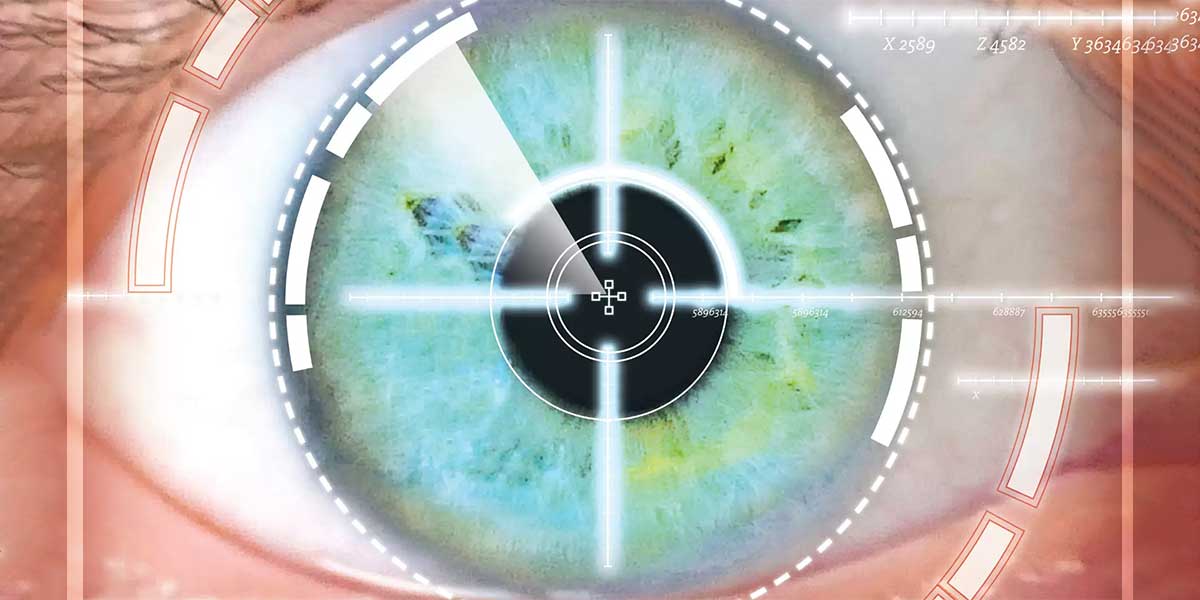
Excimer lasers excite noble gases like argon, krypton, or xenon and halogens like fluorine or chlorine using high-voltage electrical discharge. When the excited gases dissociate, they form Excimer (excited dimer) molecules that emit ultraviolet (UV) light. Thanks to its precise ablation properties, this laser is used in fields such as semiconductor lithography and eye surgery.
It operates especially at wavelengths of 193 nm, 248 nm, and 308 nm, offering high-resolution material processing. Additionally, Excimer lasers provide microscopic-level precision, meeting the requirements of modern technology and playing an important role in various industries.
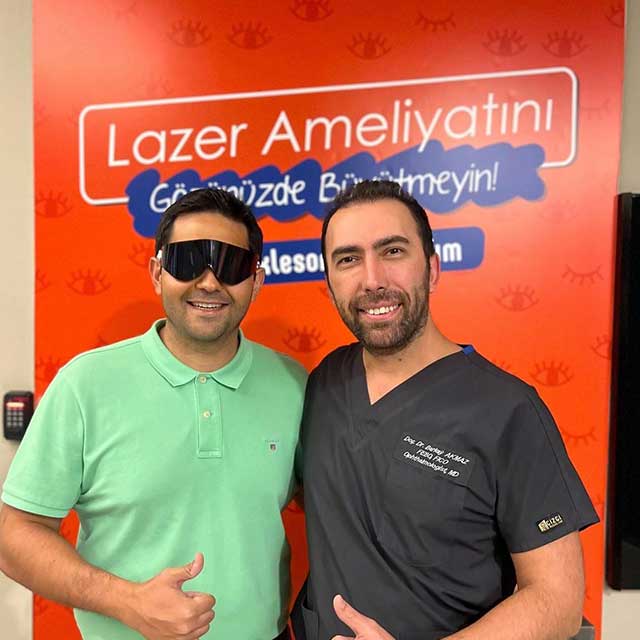
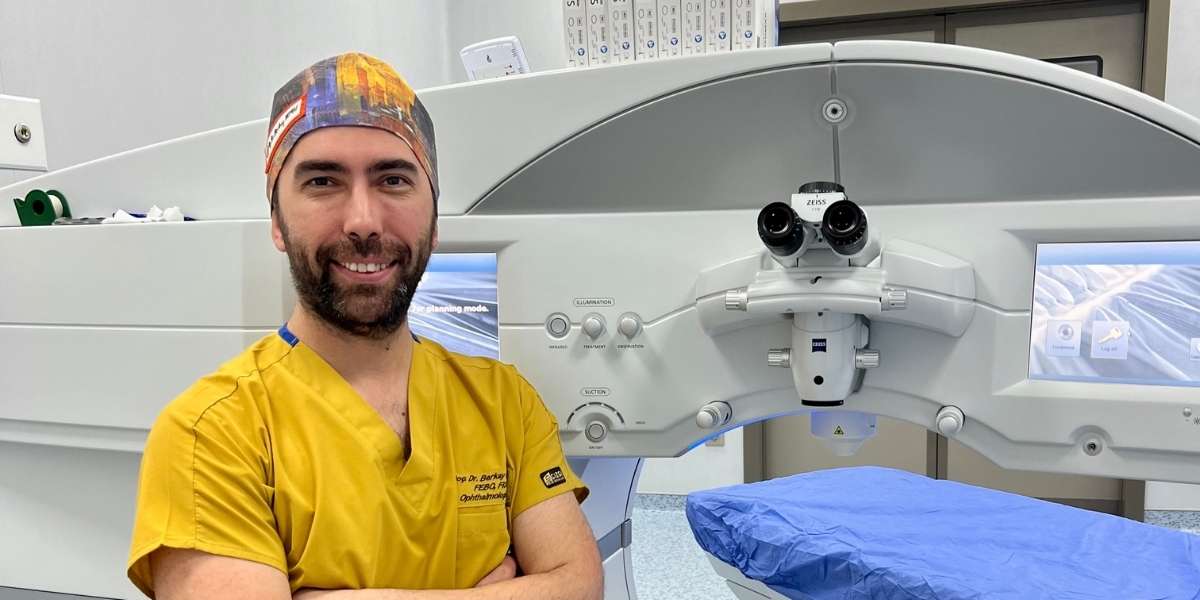
Turkey is one of the best country for Excimer Laser Surgeries at a afforable price. If you are looking for a place for Excimer Laser Surgeries abroad with best clinics and doctors, you are definitly on the right spot. Check Dr. Berkay Akmaz's Excimer Laser Surgeries prices, reviews and packages.
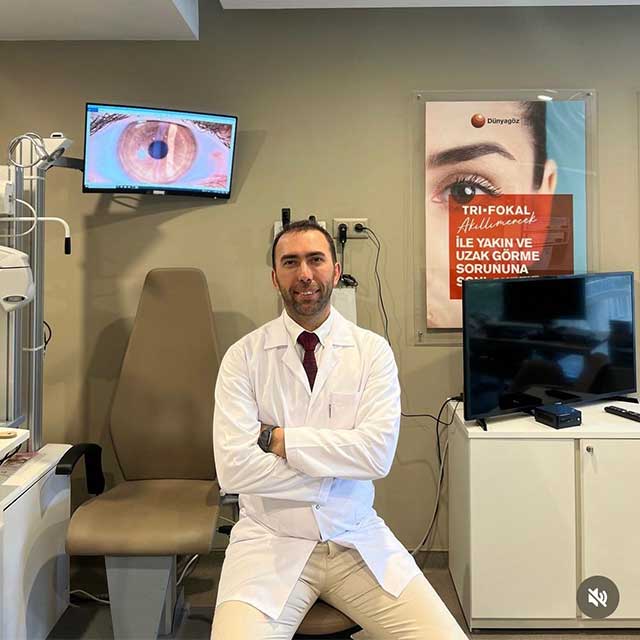
Ophthalmology Specialist – Assoc. Prof. Dr. Berkay Akmaz was born in İzmir in 1985. Due to his father's profession, he spent his primary school years in different cities. He began his education at Gülhane Military Medical Academy in 2003 and graduated with the title of Medical Doctor from Ege University Faculty of Medicine in 2010. In 2010, Assoc. Prof. Dr. Berkay Akmaz ranked 25th in the Medical Specialization Exam (TUS) in Turkey and started his specialization in the Department of Ophthalmology and Surgery at Dr. Lütfi Kırdar Kartal Education and Research Hospital. He completed his specialization training in 2014.






| Definition | Excimer laser is a laser treatment method used to correct refractive errors such as myopia, hyperopia, and astigmatism. It shapes the thin layer on the surface of the cornea. |
| Applications | Patients who do not wish to use glasses or contact lenses and have myopia, hyperopia, or astigmatism issues. |
| Mechanism of Action | The excimer laser precisely ablates the outer surface of the corneal layer, correcting the eye’s natural refractive angle and enhancing visual clarity. |
| Advantages | 1. Provides permanent vision correction 2. Rapid postoperative healing 3. Can eliminate the need for glasses or contact lenses |
| Disadvantages | 1. Side effects such as glare and halos in low light 2. May not be suitable for patients with thin corneas 3. Can cause dry eyes |
| Treatment Process | Generally a procedure lasting 10-15 minutes. Local anesthesia is applied with eye drops, and the patient does not feel pain during the laser treatment. |
| Recovery Process | Patients typically begin to see clearly within a few days. Full recovery may take 1-2 weeks. During the recovery period, the use of eye drops and protective measures are taken. |
| Side Effects | Dry eyes, light sensitivity, difficulty with night vision; rarely corneal infections or serious vision impairments. |
| Alternatives | 1. PRK (Photorefractive Keratectomy) 2. LASIK (Laser-Assisted In Situ Keratomileusis) 3. LASEK (Laser Epithelial Keratomileusis) |
| Eligibility Criteria | Suitable for patients aged 18 and above, with stable eye prescriptions, specific corneal thickness, and good eye health. |
| Care and Follow-up | Post-procedure doctor check-ups and the use of protective eye drops are recommended for several weeks. Protecting the eyes from infections is important. |
What Is an Excimer Laser?
An Excimer laser is a type of laser that precisely shapes corneal tissue using ultraviolet light. It was first developed by IBM in 1976 for microchip production and later began to be used in the field of eye health. This technology started to be applied in eye surgery in 1985 and became widespread in vision correction procedures such as PRK and LASIK.
Because the Excimer laser emits cold ultraviolet light, it does not heat tissues and therefore does not damage surrounding tissues. The FDA approved this technology for PRK procedures in 1995 and for LASIK procedures in 1998. Thanks to the high precision of the Excimer laser, procedures aimed at changing the shape of the cornea can be performed safely and effectively.
What Are the Types of Excimer Laser?
The excimer laser is an advanced technology that reshapes the corneal tissue with high precision to correct refractive errors in the eye. Depending on the application method, personalized analyses, and technological approach, it can be performed using different techniques. The main types of excimer laser include:
- Standard Excimer Laser: The classical method used to correct general refractive errors.
- Wavefront Excimer Laser: A personalized treatment performed according to the eye’s optical map, providing sharper and higher-quality vision.
- Topography-Guided Excimer Laser: Applied based on corneal surface irregularities; especially effective in irregular astigmatism.
- Aspheric Excimer Laser: Designed to reduce night vision disturbances and enhance contrast sensitivity.
- Custom Excimer Laser: A highly customized method combining both wavefront and topographic analyses.
How Does the Excimer Laser Work?
The Excimer laser produces ultraviolet light through a special interaction between noble gases and halogens. This laser operates with a high-voltage electrical discharge, which excites the gas mixture to form a temporary Excimer molecule. In the Excimer laser, energy emission occurs as these unstable molecules return to their ground states.
This process allows for the emission of ultraviolet photons and thus the control of laser pulses. Excimer molecules dissociate immediately after releasing energy. This dissociation minimizes the reabsorption of UV light and allows the ablation process without causing thermal damage to surrounding tissues.
The precise ablation and photochemical reactions provided by Excimer lasers are used in many applications by utilizing different wavelengths:
- Semiconductor manufacturing: Excimer lasers are used for high-resolution pattern formation.
- Micromachining: Used in processes requiring high precision, such as microchip production.
- Material sciences: Used for thin film coating and surface modifications through photochemical reactions.
Excimer lasers penetrate materials in a controlled manner with their wavelengths and are frequently preferred in various medical and industrial applications because they provide light-controlled ablation. The immediate dissociation of molecules when releasing energy ensures that the process occurs efficiently and in a controlled manner.
When Is the Excimer Laser Used?
The Excimer laser stands out as an important treatment option in various medical conditions. In the field of cardiology, the Excimer laser is used especially in the presence of resistant and heavily calcified lesions. When traditional angioplasty is insufficient in complex cases of coronary artery disease, the Excimer Laser Coronary Atherectomy (ELCA) provides effective treatment. ELCA supports the opening of the artery, especially in chronic total occlusions and in-stent restenosis cases.
In acute coronary syndromes, the Excimer laser helps remove large thrombus loads in conditions like ST-elevation myocardial infarction (STEMI). The laser’s ability to vaporize thrombi reduces the risks of embolism and improves blood flow. This method contributes to increasing Thrombolysis In Myocardial Infarction (TIMI) flow and reducing angiographic stenosis in myocardial infarction.
In cases of peripheral arterial disease, the Excimer laser is used especially in the treatment of critical limb ischemia and severe atherosclerosis. The laser’s ability to target plaques without damaging surrounding tissues makes it a reliable tool in peripheral vascular diseases. In the ablation of peripheral vascular lesions, the laser reduces restenosis rates, supporting limb preservation.
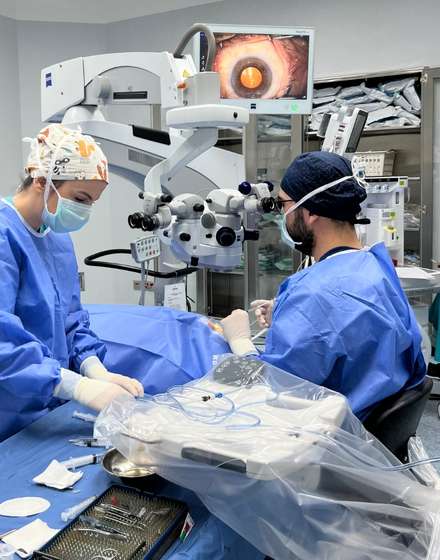
The Excimer laser is also widely used in ophthalmological fields. In eye surgeries like Photorefractive Keratectomy (PRK) and LASIK, the laser’s ability to precisely shape the corneal surface is of great importance. In correcting myopia, hyperopia, and astigmatism, the laser removes tissue in a thin layer without generating heat due to its wavelength.
Additionally, the Excimer laser is used for in situ fenestration in complex aortic aneurysm repairs. In this off-label application, the laser is valuable, especially in situations requiring precise and minimally invasive methods.
Who Is Not Suitable for Excimer Laser?
The application of the Excimer laser is not suitable for some patients and conditions. In general, obtaining informed consent from patients before laser treatment is mandatory. Additionally, it is not used in cases of active infection because the laser carries the risk of spreading the infection. Patients with severe bleeding disorders should avoid Excimer laser application due to the high risk of bleeding.
- Heart and Vascular Issues: The Excimer laser is not recommended for individuals with unprotected left main coronary artery disease due to the risk of vascular damage and hemodynamic instability. In chronic total occlusion procedures, if long-segment subintimal guidewire positioning has been performed, the risk of perforation increases with Excimer laser use. In cases of severe calcification, the effectiveness of the laser decreases, and alternative techniques are generally preferred.
There are also specific contraindications for ophthalmological procedures. In patients with thin corneas, the cornea may not remain sufficiently thick after Excimer laser, leading to ectasia. Additionally, patients with keratoconus, corneal dystrophies, or corneal scarring are not treated with Excimer laser due to the risk of progression of these conditions.
- Autoimmune Disorders: It is considered that laser treatment may adversely affect wound healing in individuals with autoimmune diseases such as rheumatoid arthritis or lupus. These patients are not candidates for Excimer laser treatment, especially for vision correction purposes.
Additionally, individuals with uncontrolled diabetes or systemic diseases affecting wound healing have a high risk of postoperative complications. Excimer laser is not recommended for women who are pregnant or breastfeeding because hormonal fluctuations may affect corneal stability.
How Is the Excimer Laser Applied?
Excimer laser applications require specific steps and precautions in each procedure. These applications are generally carried out in different fields such as coronary, ophthalmic, and glaucoma treatments. Procedures are meticulously planned to enhance the effect of the laser and minimize complications.
Ophthalmological Applications:
- The Excimer laser reshapes the corneal surface by ablation in refractive surgeries like PRK and LASIK.
- The PRK procedure involves the removal of the corneal epithelium, while LASIK requires the creation of a thin corneal flap.
- Patients’ eye conditions are evaluated with wavefront mapping and corneal thickness measurements.
- PRK is suitable especially for patients with thin corneas or those prone to flap complications.
- In PRK, the laser ablates directly on the corneal surface, while in LASIK, it targets the stroma beneath the flap.
Glaucoma Treatments:
- In Excimer Laser Trabeculostomy (ELT), the laser creates precise micro-channels in the trabecular meshwork to reduce intraocular pressure.
- ELT offers effective results, especially in cases of open-angle glaucoma.
- A cold laser system is used to minimize the risk of thermal damage, and typically 8-10 laser spots are applied.
- Success is evaluated by the reduction of intraocular pressure after the procedure.
What Are the Side Effects of the Excimer Laser?
Excimer laser treatment can lead to side effects and complications that vary according to different applications. When used in ophthalmology, especially in LASIK and PRK procedures, visual disturbances can commonly occur. These visual disturbances include halos, glare, and starbursts that cause problems with night vision.
Additionally, postoperative dry eye syndrome occurs due to decreased tear production and is generally associated with discomfort and blurred vision. In rare cases, complications such as corneal ectasia are also seen, and this condition can cause the cornea to weaken and bulge, requiring advanced treatment.
- Visual Disturbances: Issues like glare and halos affecting night vision may arise.
- Dry Eye Syndrome: Dryness and discomfort in the eyes may occur due to decreased tear production.
- Infection and Inflammation: Inflammations such as keratitis can occur due to the corneal flap and the surface becoming susceptible to infection.
- Corneal Ectasia: The cornea weakens and bulges, and in severe cases, requires advanced treatment.
- Residual Refractive Errors: Some patients may have residual refractive errors after surgery that require additional correction.
How Successful Is the Excimer Laser?
Although the success rates of the Excimer laser vary depending on the field of application, it generally offers high effectiveness. Especially in cardiology and ophthalmology, the Excimer laser is widely used in various treatments and achieves successful results.
The Excimer laser shows high effectiveness in correcting refractive errors in eye surgeries like Photorefractive Keratectomy (PRK) and LASIK. It provides about 95% or higher success rates in eye disorders such as myopia, hyperopia, and astigmatism. In long-term follow-ups, a large portion of patients who have undergone surgery achieve visual acuity of 20/20 or 20/40, reaching stable and reliable visual outcomes.
How to Prepare for the Excimer Laser?
Various steps are meticulously applied when preparing for Excimer laser procedures. This process is carefully conducted, from calibrating the equipment to ensuring environmental controls. Since the Excimer laser is used especially in eye surgery and precise material processing, providing high accuracy and safety is at the forefront.
First, settings such as the wavelength, pulse energy, and beam profile of the Excimer laser are adjusted. The calibration process is precisely adjusted according to the specific requirements of the surgery or manufacturing process. For example, wavelengths can be set as 193 nm, 248 nm, or 308 nm for ophthalmology. This process is an important step that directly affects the accuracy of the procedure.
The sterilization and cleaning of the room where the Excimer laser is used are necessary to minimize the risk of infection. While sterile conditions are provided in medical applications like eye surgery, cleanroom conditions are maintained in precise manufacturing processes like semiconductor lithography. In this way, interference from contaminants that could damage the laser’s performance is prevented.
In medical applications, preoperative patient evaluation is also an important step. This includes measuring the patient’s eye characteristics and determining the correct correction values. In these evaluations, parameters such as corneal thickness, pupil size, and other vision parameters are analyzed to program the Excimer laser. Thus, the surgeon minimizes unwanted complications like decentration and astigmatism during the procedure.
Finally, laser system preparation and environmental controls are performed. The laser device is adjusted with patient-specific data to increase the precision of the operation. Additionally, humidity and temperature control are provided because environmental factors can affect the laser’s performance. Maintaining stable conditions in clinical settings is important for the laser’s stable operation. Additionally, implementing safety protocols and the use of protective equipment by staff ensure safety in Excimer laser procedures.
How Should Postoperative Care Be After the Excimer Laser?
There are some important points to consider in the postoperative care process after Excimer laser treatment to support healing and minimize possible side effects. These points include skin care, sun protection, physical activity restrictions, symptom management, and medication use. Additionally, regular follow-up and maintenance processes are important for increasing the effectiveness of the treatment.
First, post-treatment skin care and moisturizing are of great importance. Gentle moisturizers should be applied to the treated skin area to minimize discomfort. Avoiding products like harsh soaps and chemical peels for a while will prevent skin irritation. Anti-inflammatory creams can be used to reduce redness and swelling, and the skin care routine can continue in line with dermatologist recommendations.
Sun protection is another issue that must be considered after Excimer laser treatment. Since the treated skin area is more sensitive to UV rays, a broad-spectrum sunscreen with at least SPF 30 should be preferred. Sunscreen should be reapplied every two hours, and direct sun exposure should be avoided if possible. These measures are necessary to prevent issues like hyperpigmentation that may occur on the skin.
It is also important to avoid strenuous physical activities for at least 24 hours after treatment. Staying away from exercises that will cause excessive sweating reduces skin irritation and the risk of infection. Additionally, activities like swimming, sauna use, or jacuzzi should be avoided for a week.
Mild redness and sunburn-like sensations are normal and may last for a few days. Applying a cold compress during this period alleviates symptoms, but direct contact of ice with the skin should be avoided to prevent freezing. In case of blister formation, keeping the area clean and avoiding popping the blisters will reduce the risk of scarring.
Medications used during the treatment process should be continued, and if there is a situation of starting new medications, a doctor should be consulted. Finally, necessary follow-up sessions for chronic skin conditions should not be neglected, and new or worsening symptoms should be reported to the doctor immediately.
How Does Resistance Develop Against the Excimer Laser?
The development of resistance against the Excimer laser encompasses various factors that affect the effectiveness of the laser. High-energy laser pulses create a plasma layer rich in electrons and ions on the surface. Thus, the formed plasma absorbs a significant portion of the laser energy through photoionization and inverse Bremsstrahlung absorption. As a result, the penetration of the laser decreases, and ablation depths become irregular.
The thermal properties of the material play a critical role in the formation of resistance. Materials with high thermal conductivity rapidly transfer laser energy away from the target area. Thus, the efficient removal of the material is hindered. This situation reduces the effectiveness of the laser, especially in applications where precise material removal is required.
The surface chemistry of the material also determines resistance mechanisms. Over time, carbon and halogenated compounds can accumulate on the optical components of the laser. These deposits absorb laser energy and reduce transmission efficiency. As a result, the output power of the laser decreases, and the system requires more frequent maintenance.
Chemical and physical changes on the processed surfaces contribute to increased resistance. Polymers and certain materials become more resistant to repeated laser exposure. Thus, changes occur in the molecular structure of the material, and the ablation process becomes more difficult.
Latest Posts

Dermatochalasis (Eyelid Sagging)
Anasayfa » Eyelid » Dermatochalasis (Eyelid Sagging)Dermatochalasis (eyelid sagging) is a condition caused by excess [...]
Read MoreMar

Congenital Cataract
Anasayfa » Cataract » Congenital CataractCongenital cataract is an eye disease that occurs when the [...]
Read MoreMar

Causes of Blurred Vision in One Eye
Anasayfa » Eye Health » Causes of Blurred Vision in One EyeThe causes of blurred [...]
Read MoreDec

Comments from Patients with Pseudotumor Cerebri
Anasayfa » Uncategorized » Comments from Patients with Pseudotumor CerebriComments from patients with pseudotumor cerebri [...]
Read MoreDec

Reviews of People Who Have Undergone Corneal Surgery
Anasayfa » Eye Health » Reviews of People Who Have Undergone Corneal SurgeryReviews from people [...]
Read MoreDec
Keratoconus Patient Reviews
Anasayfa » Eye Health » Keratoconus Patient ReviewsKeratoconus patient reviews provide important insights into the [...]
Read MoreDec

How Long Does Cataract Surgery Take?
Anasayfa » Cataract » How Long Does Cataract Surgery Take?The answer to the question of [...]
Read MoreDec

How Do Under-Eye Dark Circles Go Away?
Anasayfa » Uncategorized » How Do Under-Eye Dark Circles Go Away?The question of how under-eye [...]
Read MoreDec
Gallery